High-risk medications like IV insulin, heparin, and chemotherapy require independent double checks to prevent deadly errors. Learn which drugs need extra verification, how the process works, and why technology is now replacing manual checks in many hospitals.
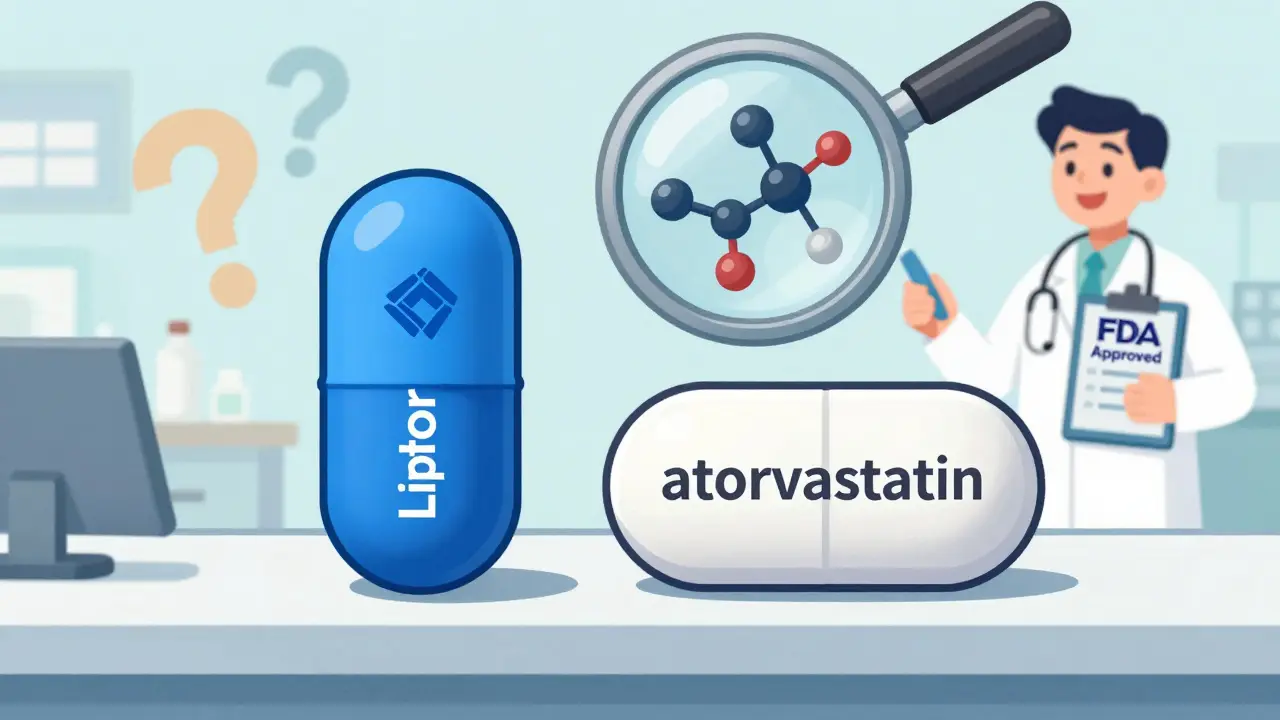
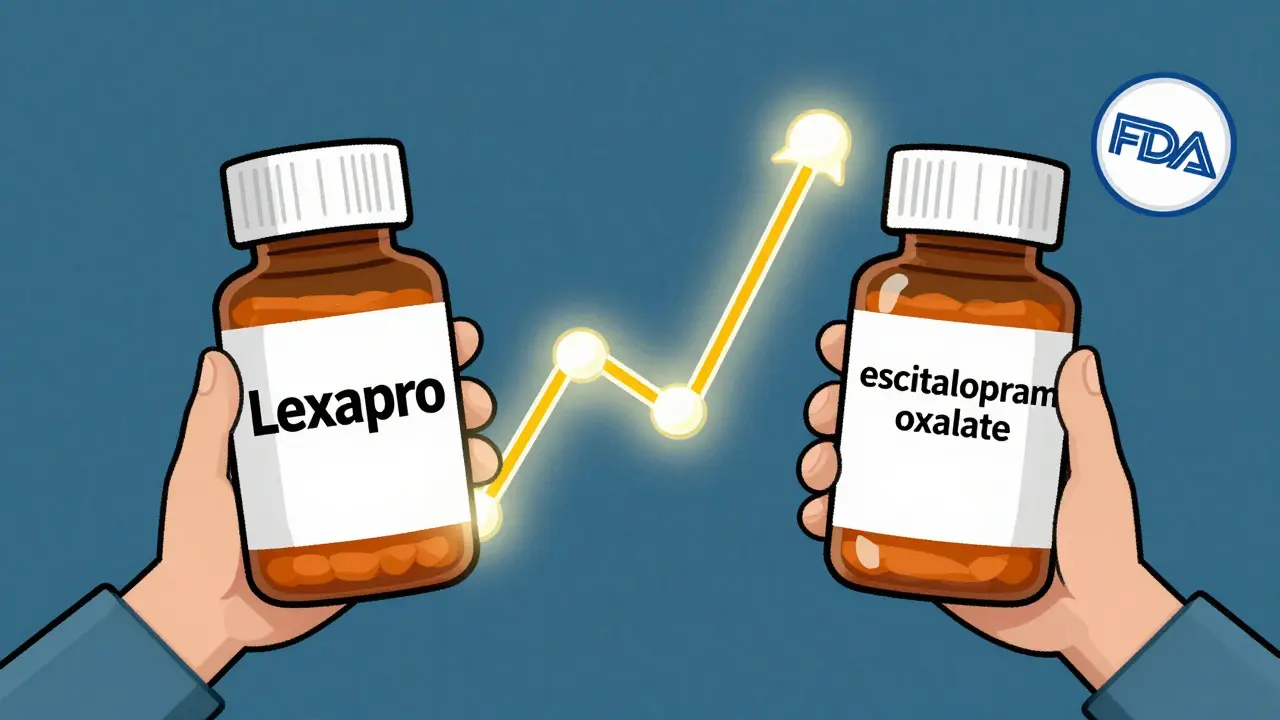
Generic drugs are just as effective as brand-name drugs, with identical active ingredients and FDA-mandated therapeutic equivalence. The main differences are cost and appearance - not safety or performance.
Bioequivalent medications are generic drugs proven to work the same as brand-name versions in your body. Learn how regulators test them, why they're safe, and when to watch for differences.
Overdose from patch, liquid, or extended-release medications is preventable. Learn how to use them safely, avoid deadly mistakes, and why naloxone isn’t enough on its own. These are the real risks - and what to do about them.
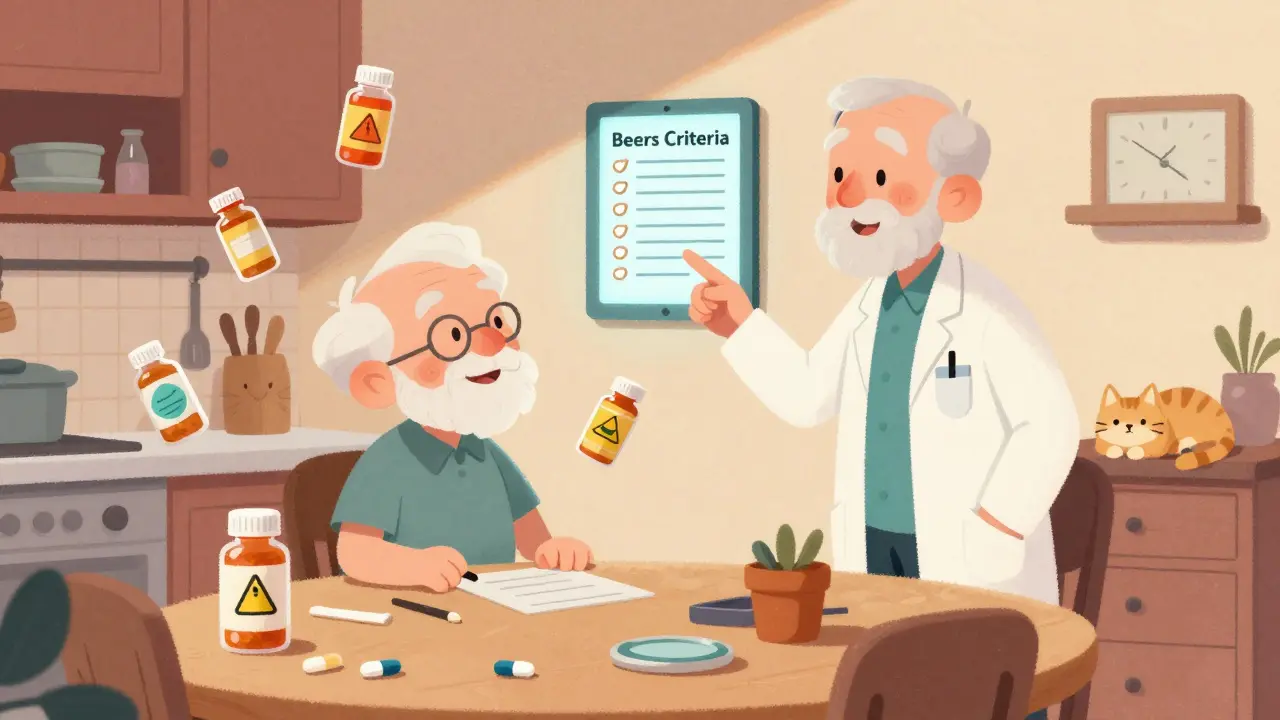
The Beers Criteria helps doctors avoid harmful medications in seniors. Learn which drugs to question, why they're risky, and how to find safer alternatives-backed by the latest 2023 guidelines.
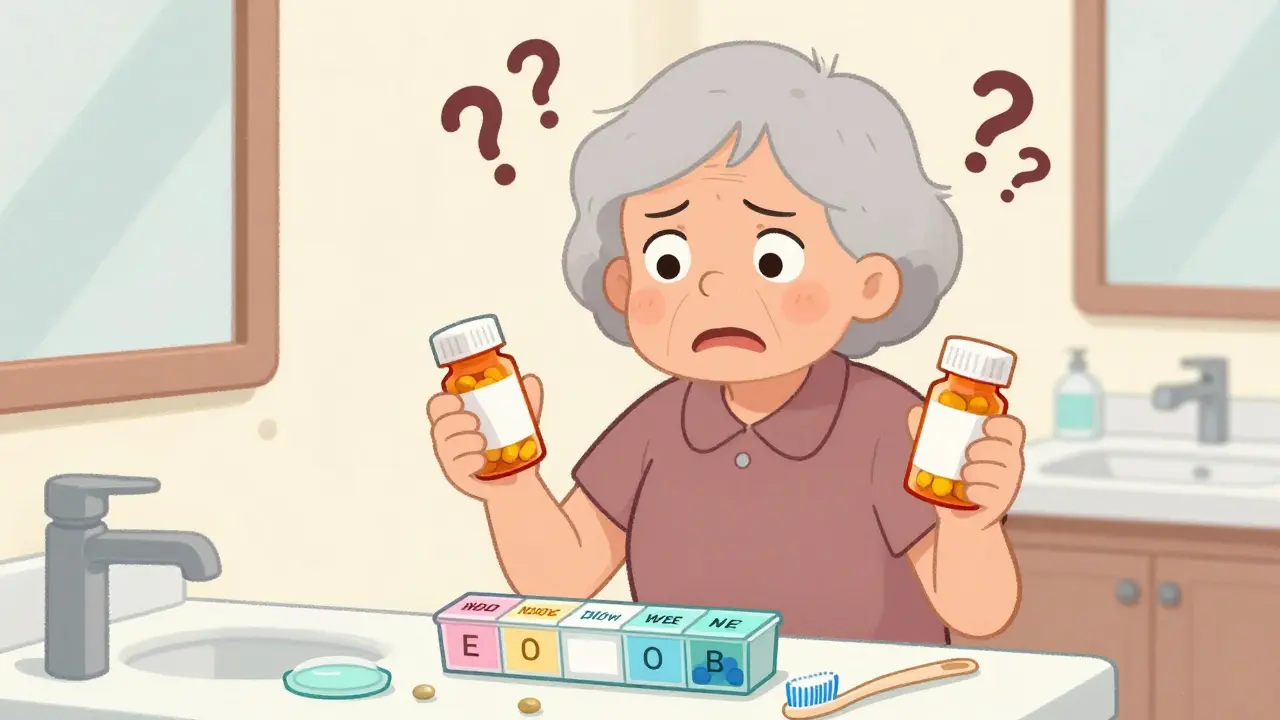
Accidental double-dosing of medications is a silent danger in homes, leading to overdoses and hospital visits. Learn simple, proven strategies - from pill organizers to digital reminders - to keep yourself and your loved ones safe.
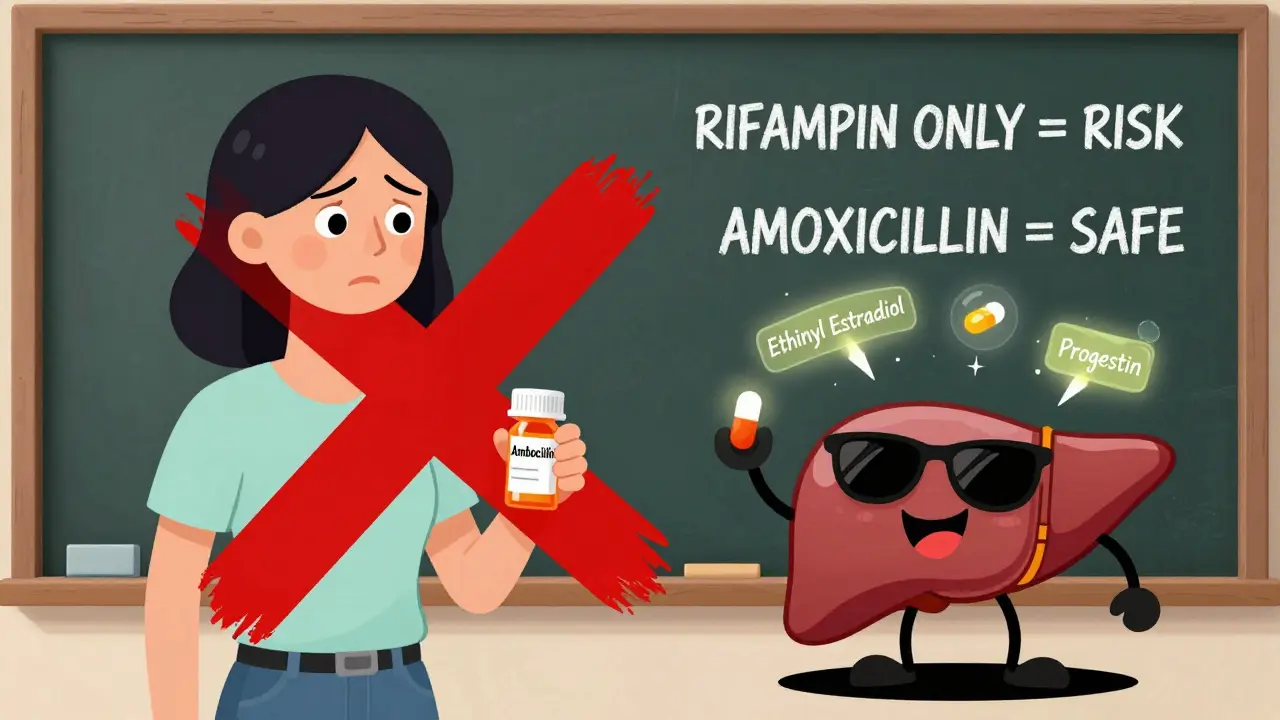
Most antibiotics don't affect birth control pills-only rifampin, rifabutin, and griseofulvin do. Learn the facts behind the myth, what drugs really interfere, and what you should do to stay protected.
Combining SSRIs with anticoagulants increases bleeding risk by 33%, especially in the first month. Learn how platelet effects drive this interaction, which drugs carry the highest risk, and what alternatives exist.
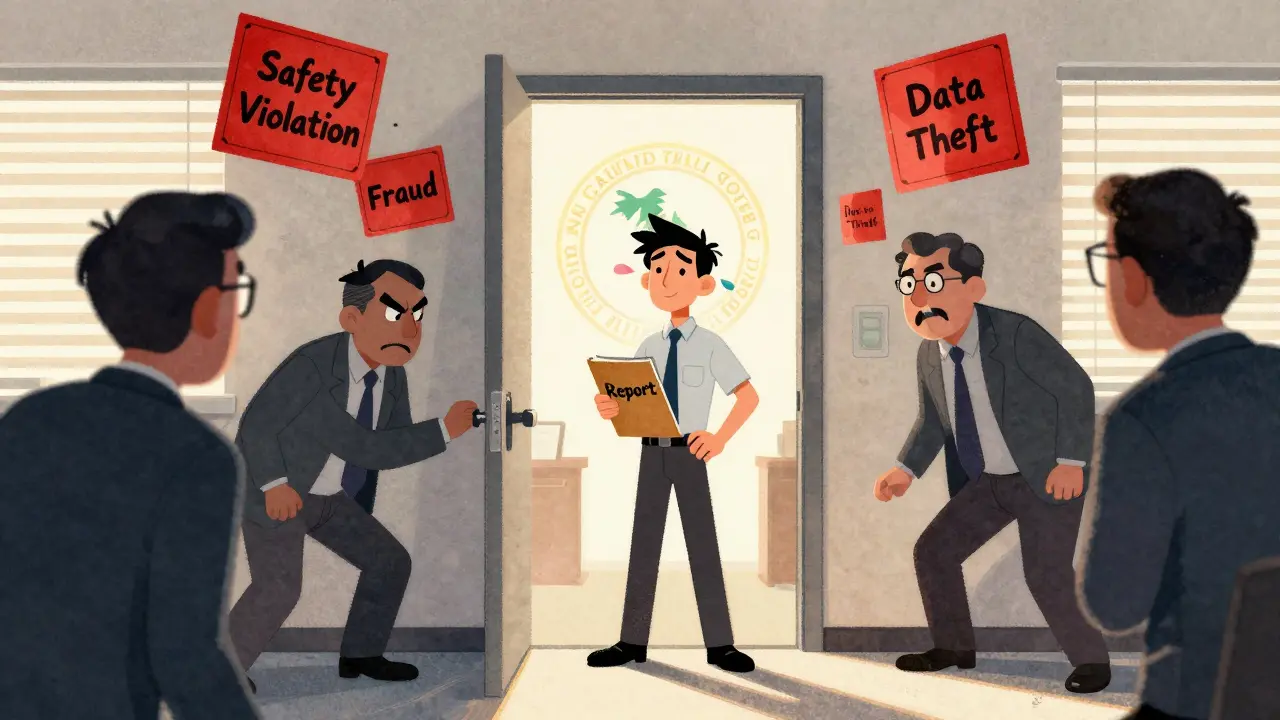
Whistleblower laws protect workers who report illegal or unethical behavior at work. Learn what counts as protected reporting, how to avoid retaliation, and what changes are coming in 2025-including California’s new posting rule and federal AI protections.
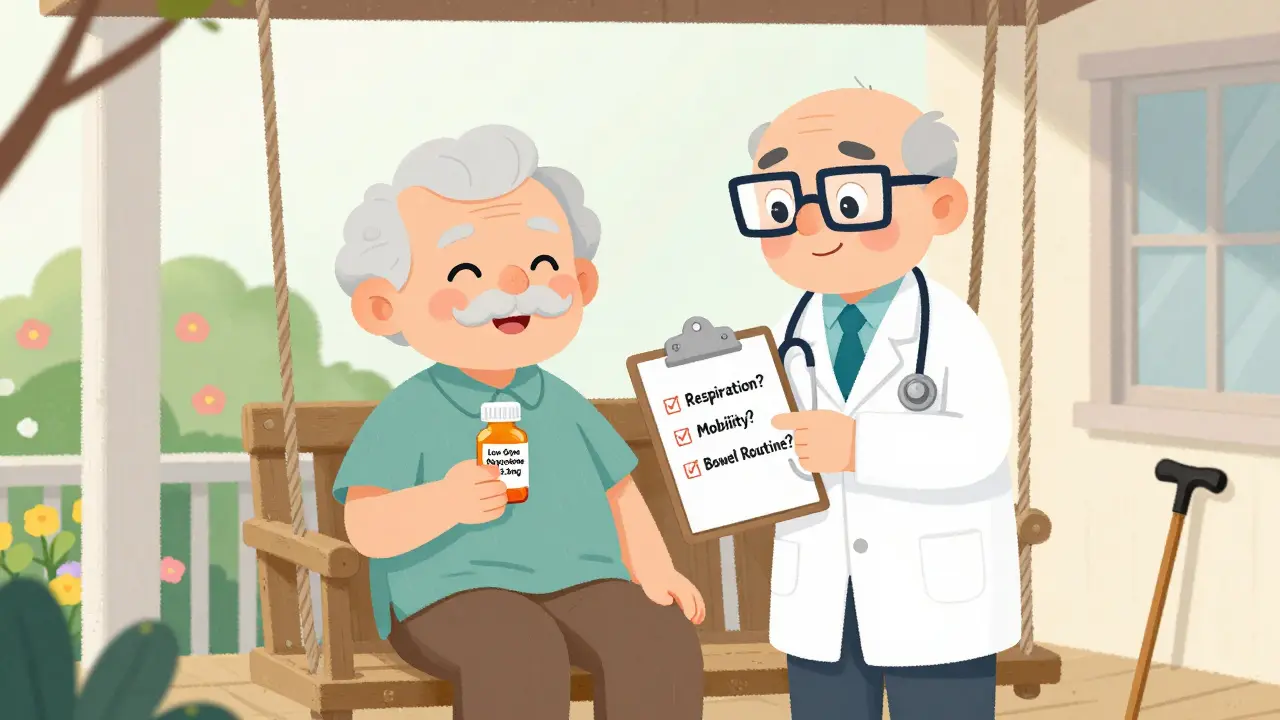
Opioids can help seniors manage pain-but only when used carefully. Learn the safest options, proper dosing, monitoring tips, and what to avoid to prevent dangerous side effects in older adults.