
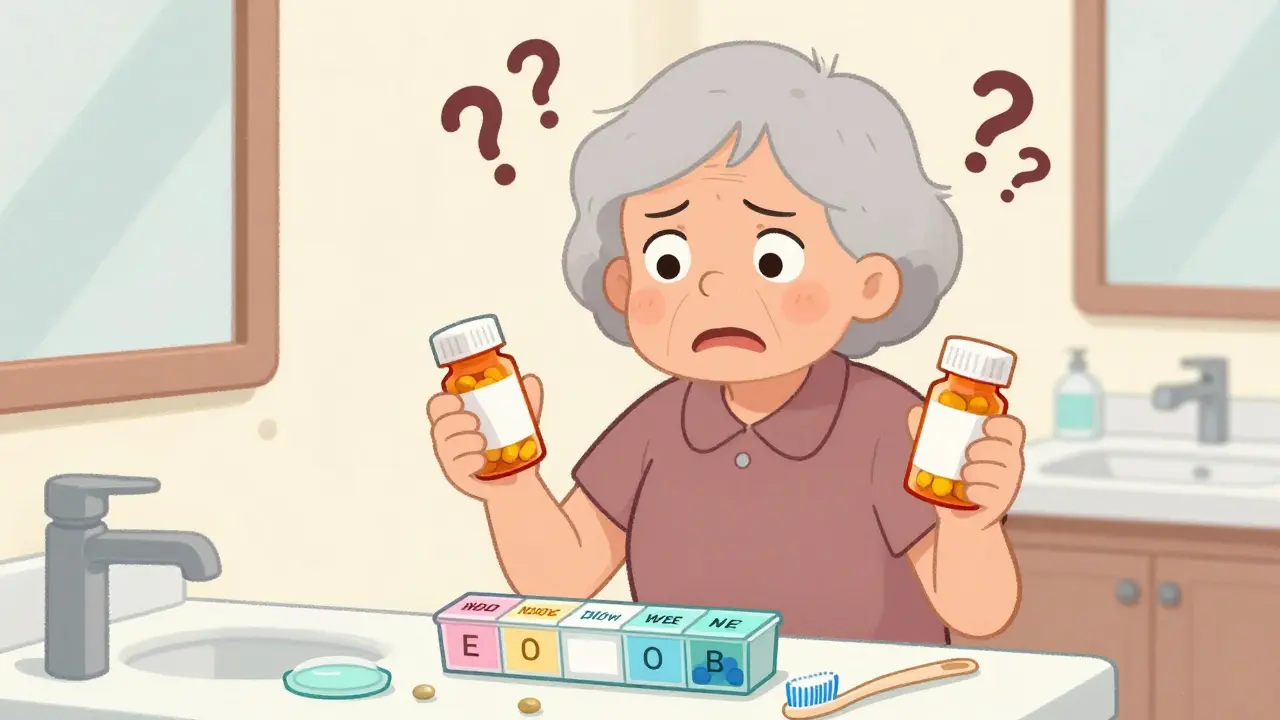
Every year, thousands of people accidentally take two doses of the same medication because they forgot whether they already took it. It’s not laziness. It’s not carelessness. It’s simple confusion - especially when you’re juggling multiple pills, changing routines, or sharing care with others. In homes across Australia and beyond, this is one of the most common and dangerous medication mistakes. And it doesn’t just happen to seniors. It happens to parents giving kids medicine, caregivers managing complex regimens, and even healthy adults who grab the wrong bottle in a rush. The good news? Double-dosing prevention is doable - and it doesn’t require high-tech gadgets or complicated systems.
Why Double-Dosing Happens (And Why It’s Dangerous)
Accidental double-dosing isn’t rare. According to the National Poison Control Center, it’s one of the top reasons people end up in emergency rooms from medication errors. The risk spikes when someone takes four or more prescription drugs daily - a common scenario for older adults. But it’s not just about quantity. It’s about overlap. Many over-the-counter cold medicines, pain relievers, and sleep aids contain the same active ingredients as prescription drugs. Take acetaminophen, for example. You might be on a prescription painkiller that includes it - and then grab a store-brand cold tablet that also has it. Two doses. One liver risk. That’s how a simple mistake turns into a medical emergency. Children are especially vulnerable. In fact, 86% of emergency visits for medicine poisoning in kids involve them taking a medication meant for an adult. And in households with multiple caregivers, confusion is almost guaranteed. One parent gives the medicine in the morning. The other doesn’t know. Later, the child refuses. The second parent tries again. By afternoon, the child has gotten two doses. No one meant harm. But harm happened.Use a Pill Organizer - But Choose the Right One
The most effective tool for preventing double-dosing is still the humble pill organizer. Not the flimsy plastic ones from the pharmacy. A solid, clearly labeled weekly organizer with separate compartments for morning, afternoon, evening, and bedtime makes all the difference. Studies show that using one reduces errors by 35%. But when you combine it with a routine - like taking pills right after brushing your teeth - the drop in mistakes jumps to 62%. Look for organizers with clear labels and easy-to-open lids. If someone has trouble reading small print, get one with large text or color-coded sections. Seniors in Melbourne and beyond who switched to these organizers reported feeling less anxious about whether they’d taken their meds. One woman, 78, told her pharmacist: “I used to count my pills every night. Now I just look at the box. If it’s empty, I’m good.”Set Digital Reminders - And Share Them
Smartphone apps like Medisafe or MyTherapy aren’t just for tech-savvy people. They’re designed for real-life confusion. These apps let you set alarms for each dose, log when you’ve taken it, and even send alerts to a family member if a dose is missed. A 2022 study in the Journal of Medical Internet Research found users improved adherence by 87% with consistent app use. The key? Involve others. If you’re managing medication for a parent or child, set up the app together. Add their phone number as a notification contact. That way, if you forget to take your morning pill, your partner gets a text. If your child refuses medicine, the app reminds the next caregiver: “She didn’t get her dose yet.” This simple step cuts double-dosing incidents by nearly half.Never Use Kitchen Spoons for Liquid Medicines
A teaspoon isn’t a teaspoon. Kitchen spoons vary in size by up to 65%. That means if you’re giving a child 5mL of antibiotics using a spoon, you might be giving them 8mL - or even 12mL. That’s not a little extra. That’s a dangerous overdose. Always use the syringe or dosing cup that came with the medicine. If you lost it? Ask your pharmacist for a new one. They’re free. And they’re calibrated to the exact dose. Same goes for adults. Many painkillers and sleep aids come as liquids. Using a measuring tool isn’t optional. It’s essential.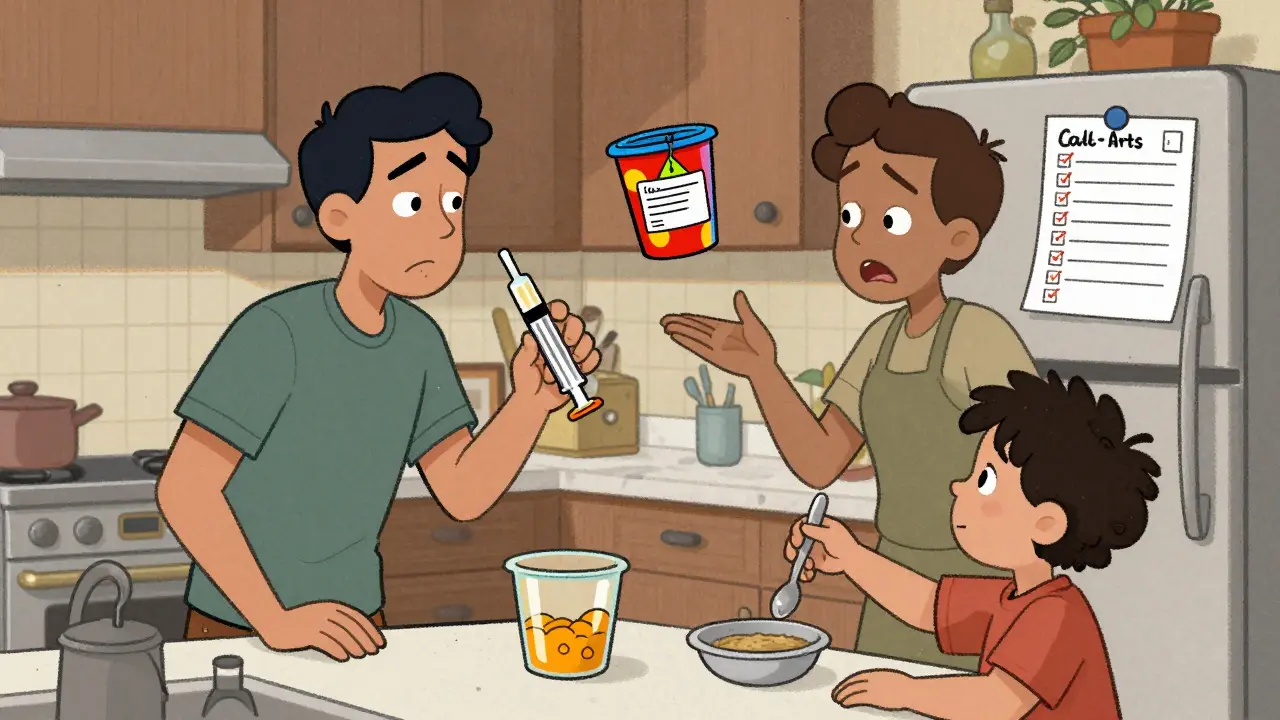
Keep a Written Medication List - And Update It
Write down every medication you or your loved one takes - including vitamins, supplements, and over-the-counter drugs. Include the name, dose, time of day, and reason for taking it. Keep a copy on the fridge. Give one to your pharmacist. Update it every time something changes. Why? Because many double-dosing incidents happen because two different medications contain the same active ingredient. A 2023 survey by EssexCare Pharmacy found that 32% of cases involved patients unaware they were taking duplicate drugs. For example, someone taking a prescription for high blood pressure might also be taking a generic supplement labeled “heart support” - which turns out to contain the same active compound. A simple list makes that overlap obvious.Assign One Person to Handle Dosing
In households with multiple caregivers - parents, grandparents, nannies - confusion is inevitable. The solution? Designate one person as the official medicine giver. That person is responsible for giving all doses, logging them, and communicating with others. If someone else needs to give a dose (say, during a weekend visit), they must check in first. St. Louis Children’s Hospital found this single change reduced double-dosing by 47% in homes with children. It’s not about control. It’s about clarity. One person knows what’s been given. Everyone else knows to ask before acting.Store Medicines Out of Reach - And Out of Sight
A 2023 report from Children’s Healthcare of Atlanta showed that 86% of poisonings in kids came from medicines left within reach. It doesn’t matter if the bottle is childproof. Kids are clever. They climb. They pull. They find hidden stashes. Keep all medications - even vitamins - locked in a cabinet or high up, away from counters, nightstands, and purses. Use a lockbox if needed. The same goes for visitors. If someone stays overnight, ask them to keep their meds in a sealed bag. Don’t assume they’ll be careful. Assume they’ll forget - because most people do.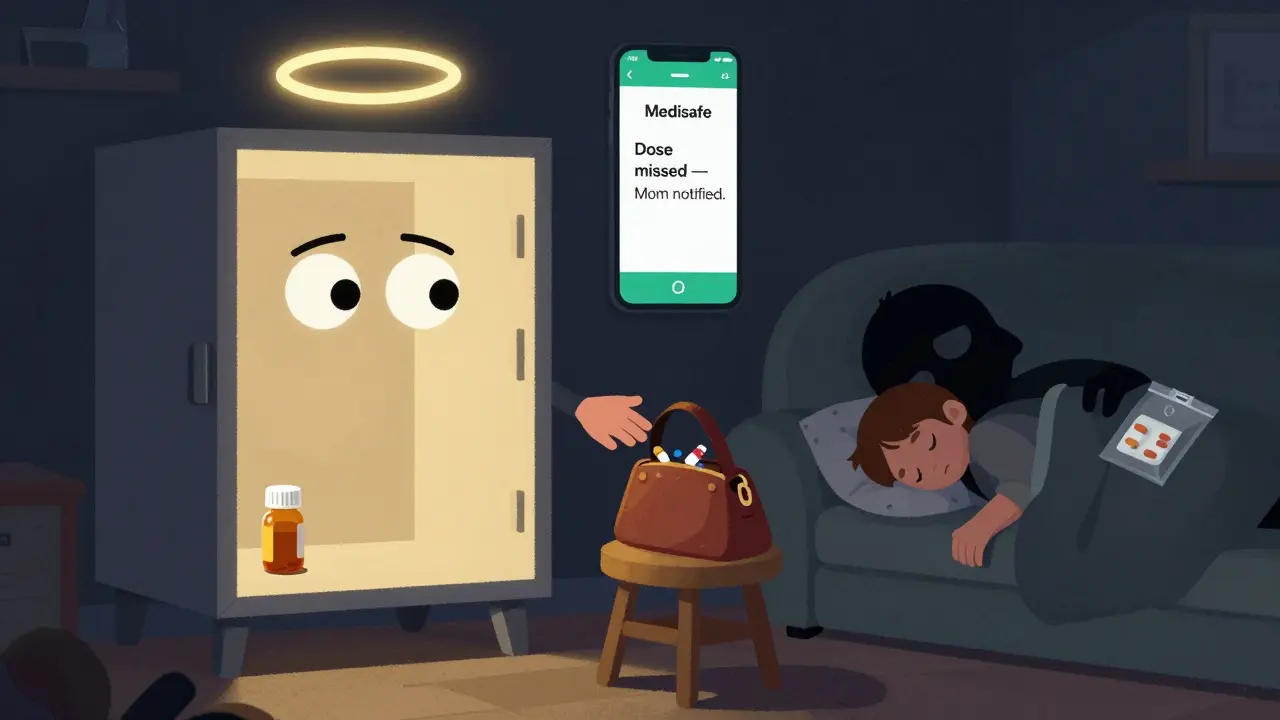
Build Medication Time Into Your Routine
The best way to remember is to link it to something you already do every day. Brush your teeth? Take your pill right after. Eat breakfast? Take it with your coffee. Walk the dog? Take it before you head out. A 2023 study found that 78% of people who successfully avoided double-dosing tied their medication to a daily habit. It’s not about willpower. It’s about wiring. When a behavior becomes automatic, you don’t have to think about it.What to Do If You Accidentally Double-Dose
If you or someone else takes two doses by mistake, don’t wait. Don’t hope it’s fine. Call the Poison Control Center immediately at 1-800-222-1222. They’re free, available 24/7, and trained to handle exactly this kind of emergency. Have the medicine bottle handy. Tell them the name, dose, and time taken. They’ll tell you whether to monitor at home or go to the ER. In Australia, call 13 11 26 for the Poisons Information Centre. Don’t rely on Google. Don’t wait for symptoms. Poison control experts can prevent serious harm - if you act fast.Final Thought: Simplicity Wins
You don’t need smart pill dispensers or AI trackers to stay safe. Most people succeed with a combination of three things: a clear pill organizer, a written list, and one person in charge. Add digital reminders if it helps. Use measuring tools every time. Store meds out of reach. Communicate. That’s it. The technology is nice. But the real protection comes from habits - simple, consistent, and shared.Medication safety isn’t about perfection. It’s about reducing the chances of error. And with these steps, you’re not just preventing double-dosing - you’re giving peace of mind.
What’s the most common cause of accidental double-dosing in homes?
The most common cause is confusion among multiple caregivers - especially when one person gives a dose and another doesn’t know. This is especially true for children’s medications and elderly adults with complex regimens. Other top causes include using kitchen spoons instead of proper measuring tools, not knowing that two different medications contain the same active ingredient, and skipping the use of a pill organizer or reminder system.
Can over-the-counter medicines cause double-dosing?
Yes - and this is one of the most dangerous blind spots. Many OTC cold, flu, pain, and sleep medicines contain the same active ingredients as prescription drugs. For example, acetaminophen is found in Tylenol, Excedrin, and dozens of cold remedies. Someone taking a prescription painkiller with acetaminophen might also take a nighttime cold tablet without realizing they’re doubling up. Always check the active ingredients on every bottle - not just the brand name.
Are pill organizers effective for people with memory issues?
Yes, they’re one of the most effective tools. A 2023 caregiver survey found that 68% of seniors used weekly pill organizers, and 92% mastered them within three days of instruction. For those with memory problems, the visual cue - seeing empty compartments - is far more reliable than memory. Color-coded or large-print organizers help even more. When combined with a routine (like taking pills after brushing teeth), success rates jump significantly.
How can I prevent my child from accidentally taking adult medication?
Store all medications - including vitamins - in a locked cabinet or high shelf, out of reach and out of sight. Never leave pills on counters, nightstands, or in purses. Teach children that medicine is not candy - even if it tastes good. If visitors come over, ask them to keep their medications sealed and stored. In 86% of pediatric poisonings, children accessed medicine meant for adults. Prevention is simple: lock it up.
Should I use a smartphone app for medication reminders?
If you’re comfortable with smartphones, yes - and especially if others help manage care. Apps like Medisafe or MyTherapy allow you to log doses, set alarms, and notify family members if a dose is missed. A 2022 study showed an 87% improvement in adherence with consistent use. But if apps feel overwhelming, stick to a physical pill organizer and written list. The goal isn’t tech - it’s clarity.
What should I do if I think I’ve taken too much medicine?
Call poison control immediately. In Australia, dial 13 11 26. In the U.S., call 1-800-222-1222. Have the medicine bottle ready. Tell them what you took, how much, and when. Don’t wait for symptoms. Don’t try to “wait it out.” Poison control experts can guide you on whether to monitor at home or go to the hospital - and they can prevent serious complications. Time matters.



James Roberts
Okay, let’s be real - the pill organizer advice is solid, but have you seen the ones at CVS? They’re held together by hope and duct tape. I bought one labeled 'weekly' that had *four* compartments for 'morning' and none for 'bedtime.' I’m not taking meds, I’m playing Tetris with my anxiety.
Also - 'assign one person'? That’s just a fancy way of saying 'make the woman do it.' Sorry, but if your household can’t agree on who loads the dishwasher, you’re not ready for a medication command center.