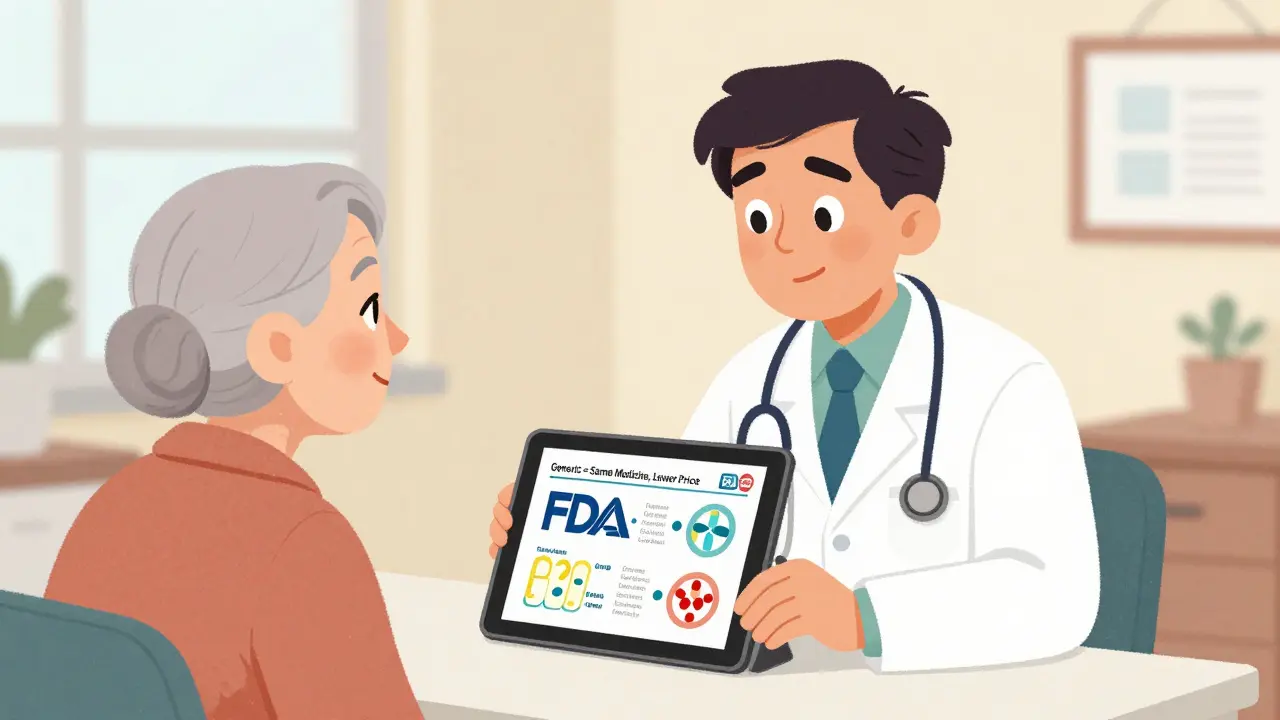
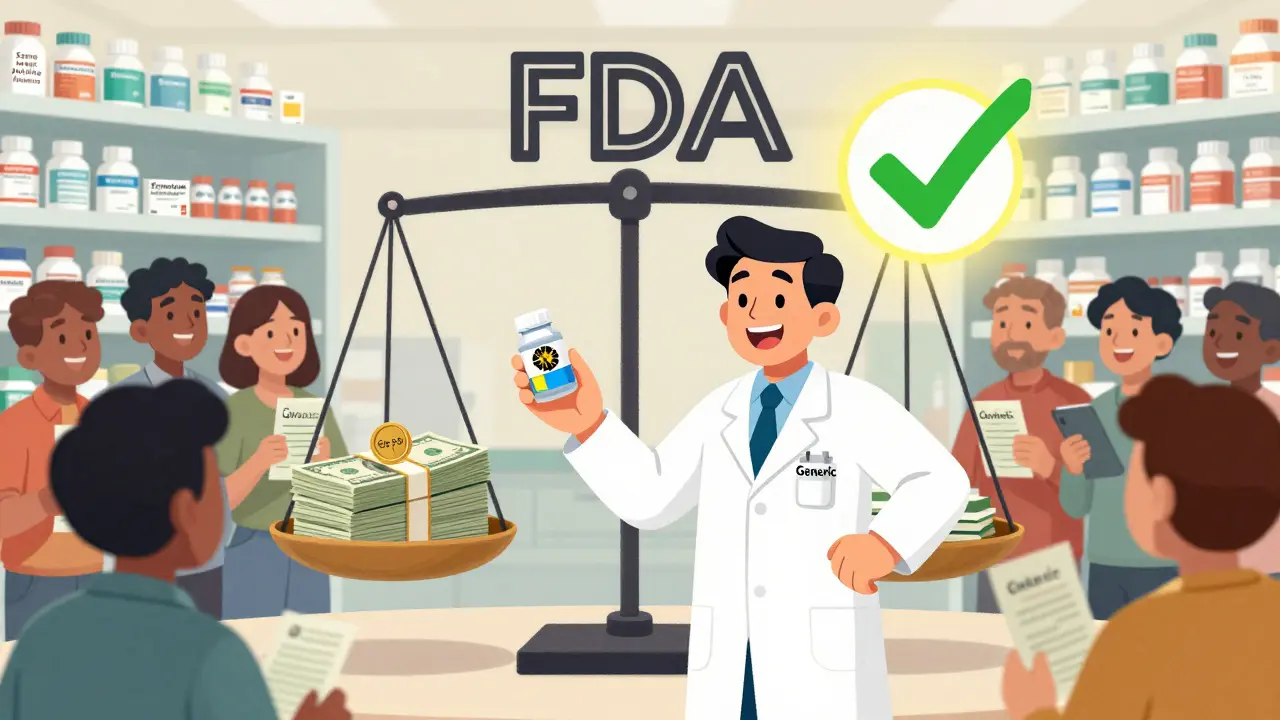
Doctors need clear, practical guides to confidently prescribe generic medications. Learn how FDA resources, real-world data, and simple patient conversations can improve adherence, cut costs, and build trust.
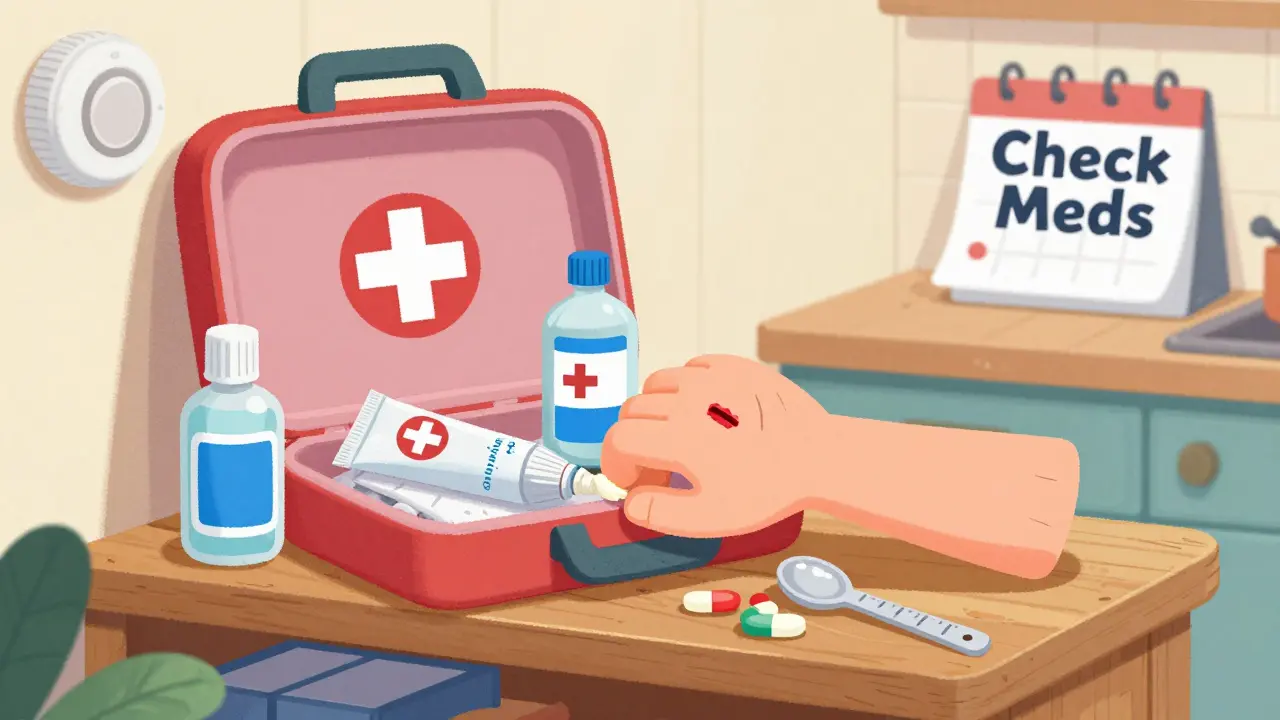
Learn what OTC first aid medications you actually need at home: antiseptics, antibiotic ointments, and pain relievers. Get the facts on what works, what doesn't, and how to use them safely.
Learn how to safely manage multiple pharmacies and prescribers for seniors using centralized software systems that prevent medication errors, ensure compliance, and improve patient outcomes.
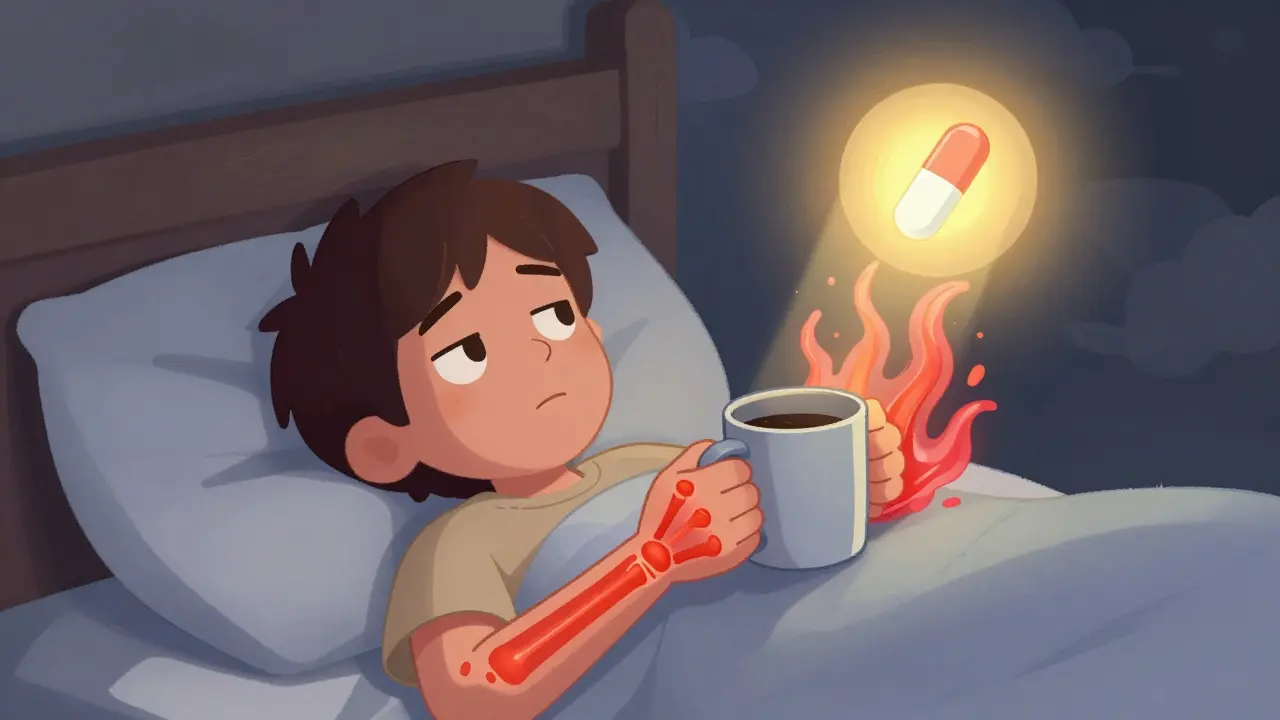
Corticosteroids offer fast relief for severe inflammation but come with serious short- and long-term risks. Learn when they're necessary, how to use them safely, and why long-term use can cause permanent damage.
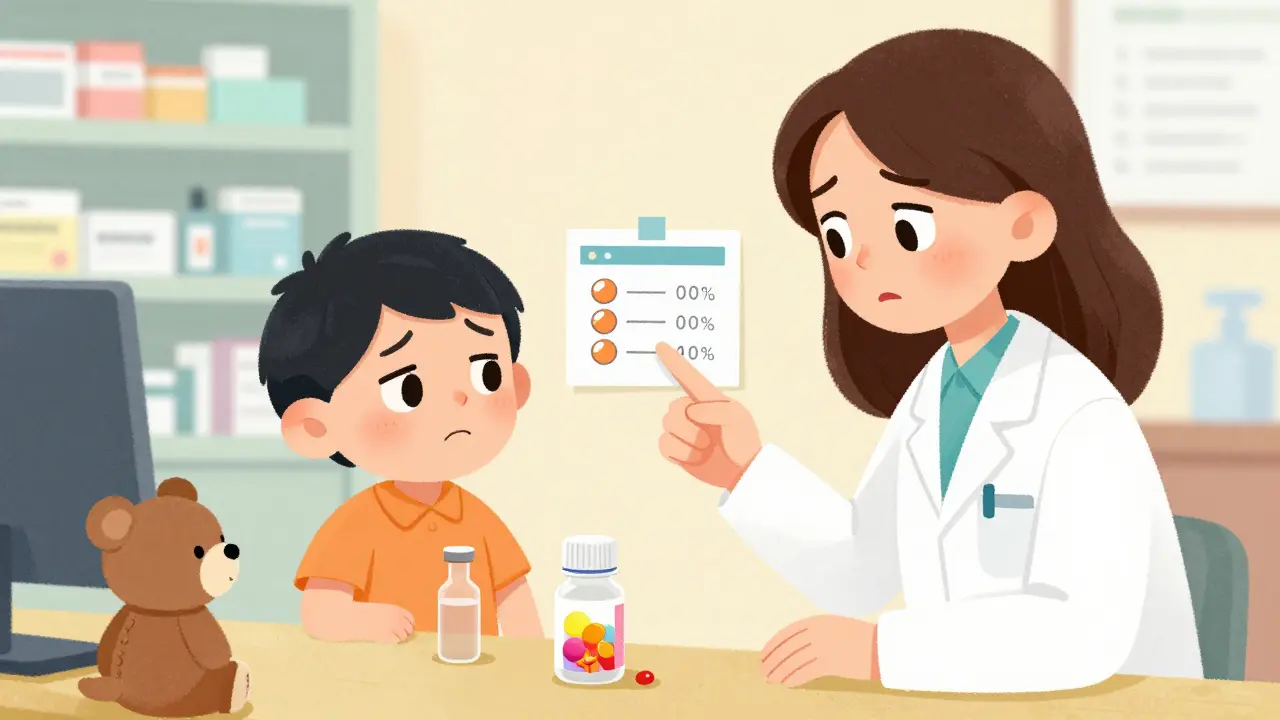
Learn how to explain generic drug substitutions to children and seniors without causing confusion or reducing adherence. Discover why formulation differences matter, what to say (and what not to say), and how to prevent medication errors.
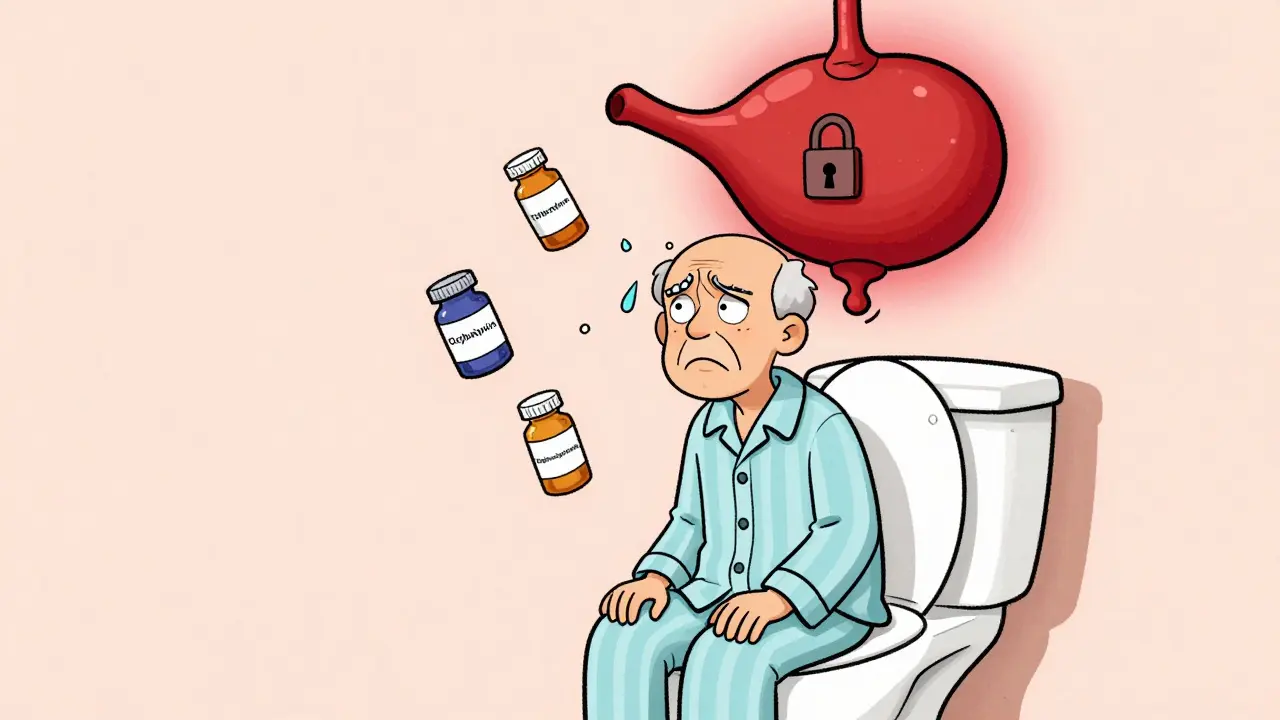
Anticholinergic medications for overactive bladder can cause dangerous urinary retention, especially in men over 65 with prostate issues. Learn who’s at risk, which drugs are safest, and what to ask your doctor.
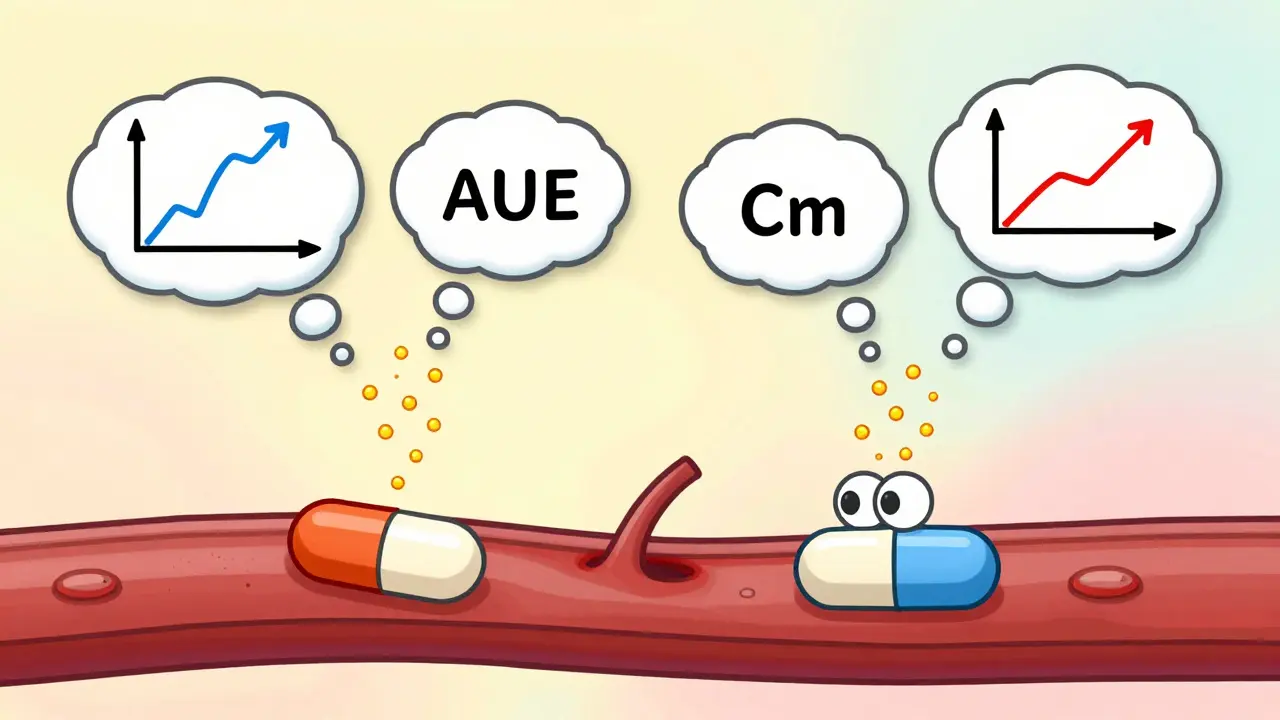
Bioequivalence testing ensures generic drugs perform the same as brand-name versions. Learn how this science protects patient safety, saves billions, and keeps millions of people on affordable, effective medication.
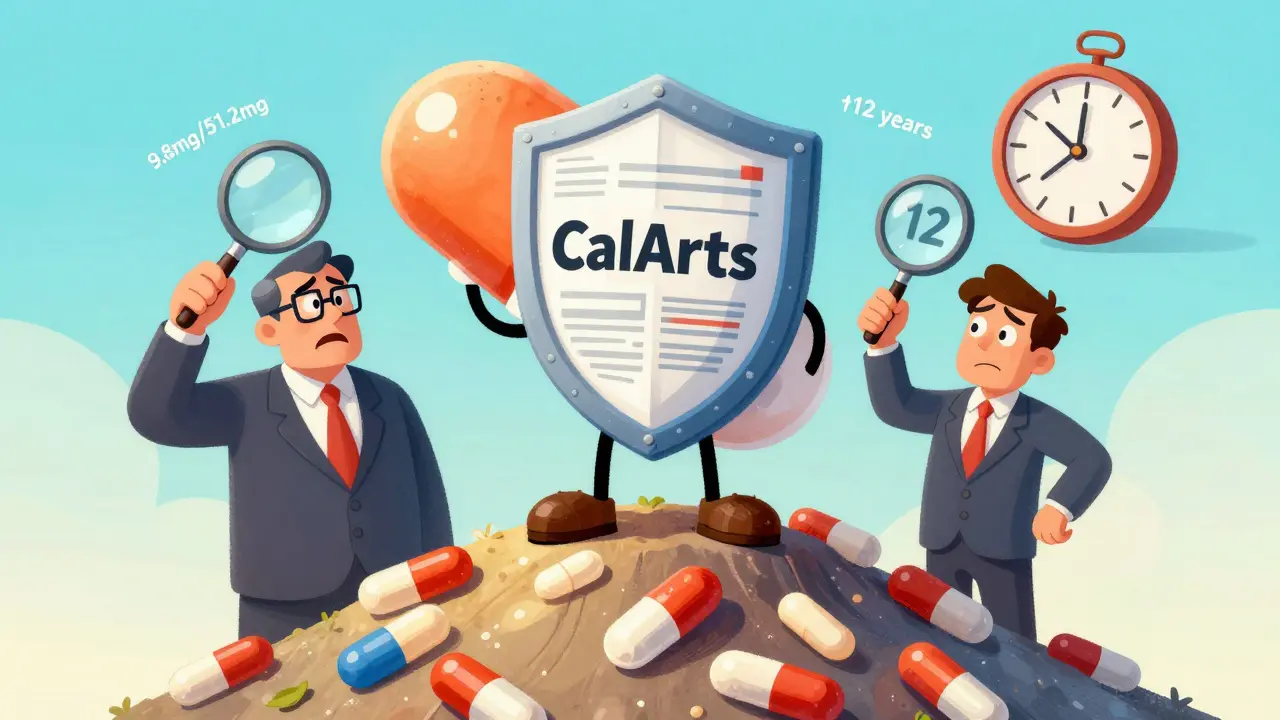
Formulation patents on drug combinations let pharmaceutical companies extend market exclusivity by patenting specific ratios, delivery methods, or dosing regimens-often without clinical improvements. Learn how this strategy works, who benefits, and why it’s under fire.
Generic drugs save up to 85% on prescription costs and are just as safe and effective as brand-name versions. Learn how the FDA ensures they work the same, when to stick with brand-name, and why 90% of prescriptions are now generic.
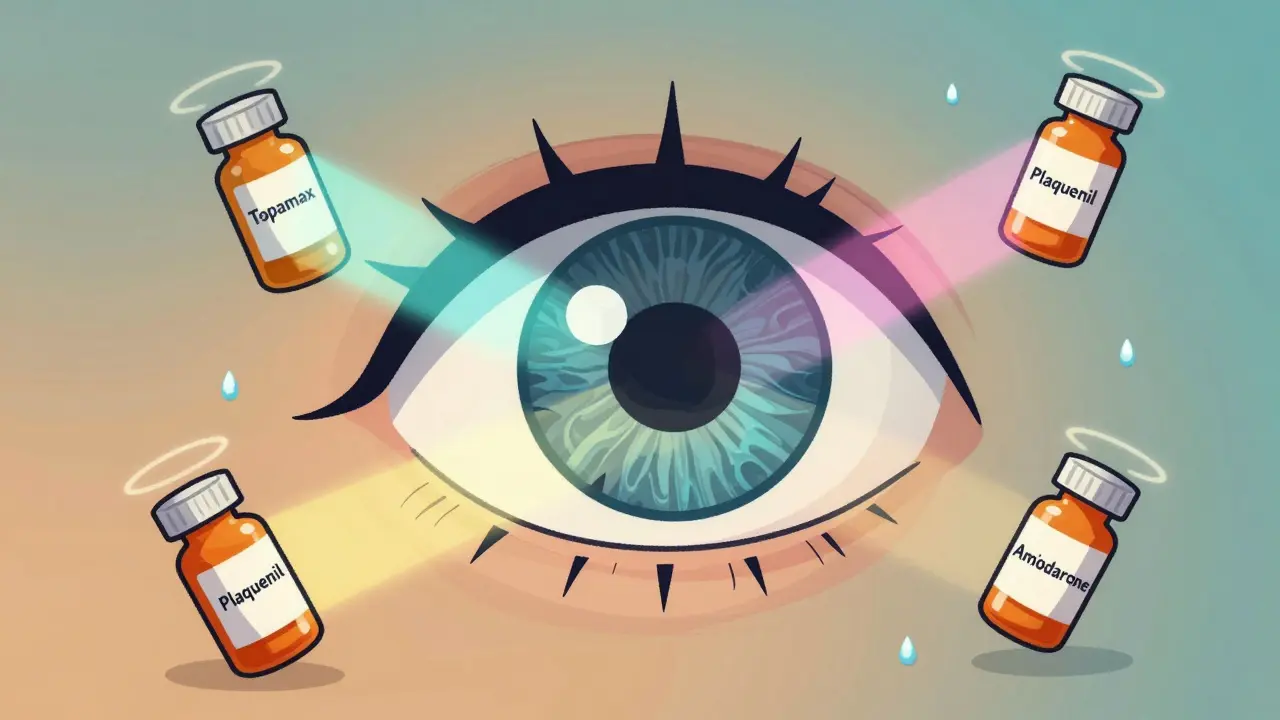
Blurred vision can be a side effect of many common medications. Learn which drugs cause it, when it's dangerous, and how to protect your sight before it's too late.