
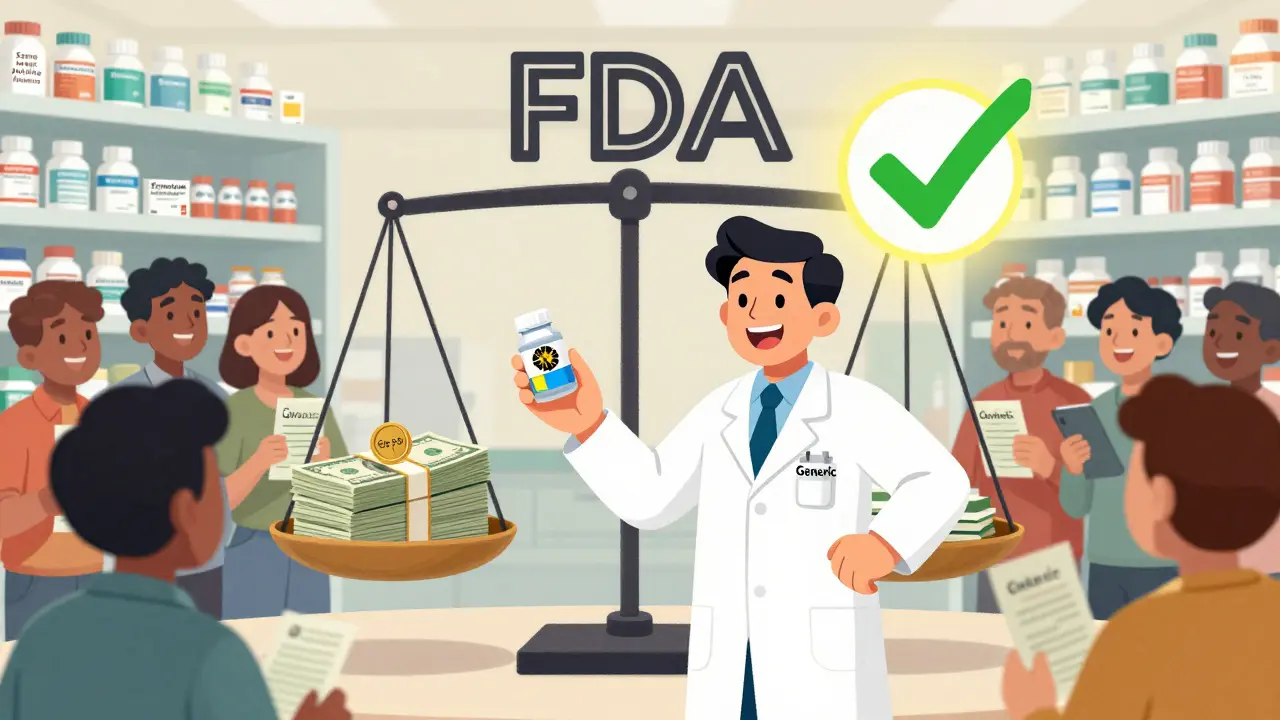
Ever opened your prescription bottle and wondered why your generic drugs look nothing like the ones you used to take? Maybe you’ve heard rumors that generics aren’t as strong, or that they don’t work as well. The truth? Most of the time, they’re exactly the same - just cheaper.
What Makes a Drug "Generic"?
A generic drug isn’t a copycat. It’s not a knockoff. It’s a legally approved, FDA-verified version of a brand-name drug that contains the exact same active ingredient, in the same strength, and works the same way in your body. The FDA requires that generics deliver the same amount of medicine into your bloodstream at the same speed as the original. That’s called bioequivalence. For most drugs, the acceptable range is 80% to 125% of the brand-name’s absorption rate. For high-risk drugs like warfarin or levothyroxine, the range is even tighter - 90% to 111%.Why Are Generic Drugs So Much Cheaper?
Brand-name drug companies spend years and billions developing a new medicine. They run clinical trials, pay for marketing, and cover legal costs to protect their patent. Once that patent expires - usually after 12 to 14 years - other companies can step in and make the same drug without repeating all that expensive research. All they need to prove is that their version behaves the same way in your body. That cuts costs dramatically. The result? Generic drugs cost, on average, 80% to 85% less than their brand-name counterparts. A 2022 analysis from University Hospitals found that switching to generics saves patients about $313 per prescription. In 2022, generics made up 90% of all prescriptions filled in the U.S. - but only 25% of total drug spending. That means brand-name drugs, which make up just 10% of prescriptions, account for nearly three-quarters of what Americans pay for medications.Are Generic Drugs Safe?
Yes. The FDA holds generic manufacturers to the same standards as brand-name makers. Every facility that produces generics - whether it’s in the U.S., India, or China - must pass the same inspections. The same quality controls apply. The same safety monitoring system tracks both types of drugs after they hit the market. The FDA says it plainly: "All drugs, including brand-name and generic, must work well and are safe." Pharmacists at major hospitals like Cedars-Sinai confirm that generics go through the same rigorous approval process and are continuously monitored. The American Medical Association backs this up too, recommending doctors prescribe generics when appropriate to lower costs - without sacrificing outcomes.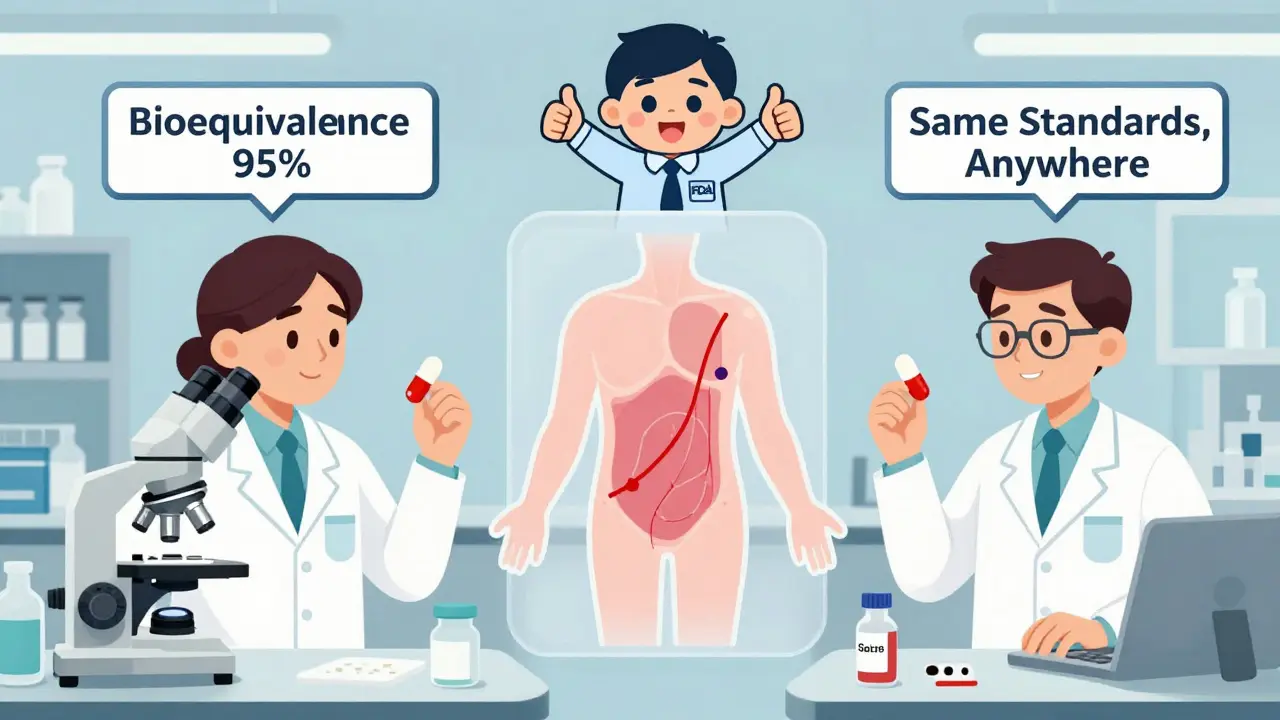
What’s Different About Generic Drugs?
The only real differences are in the parts that don’t affect how the drug works. Generics can look different - different color, shape, or size - because U.S. trademark laws don’t allow them to copy the brand’s appearance. They might use different fillers, dyes, or flavorings. These are called "inactive ingredients," and while they don’t treat your condition, they can sometimes cause minor reactions in people with allergies. For example, if you’re allergic to red dye, you might react to a generic version of a pill that uses it, even if the brand-name version doesn’t. That’s rare, but it’s something to watch for. If you notice a change in how you feel after switching - like a rash or stomach upset - talk to your pharmacist. They can check the ingredients.When Might You Still Need the Brand Name?
For most people, generics are a safe, smart choice. But there are exceptions. Some medications have a narrow therapeutic index - meaning the difference between an effective dose and a harmful one is very small. Drugs like warfarin (a blood thinner), levothyroxine (for thyroid issues), and certain anti-seizure medications fall into this category. Even tiny changes in how your body absorbs the drug can cause problems. While the FDA requires tighter bioequivalence standards for these drugs, and studies like a 2019 JAMA analysis of 38,000 patients on levothyroxine found no clinical difference between brand and generic versions, some doctors and patients still prefer sticking with one version. If you’ve been stable on a brand-name drug for years, switching might feel risky - even if science says it’s fine. A Reddit thread from September 2023 with over 140 comments showed that 86% of users reported no difference between brand and generic versions of common drugs like lisinopril and atorvastatin. But 14% reported issues - one user said their mother’s seizures returned after switching from brand Lamictal to generic lamotrigine. That’s rare, but it happens. If you’ve had a bad experience, don’t assume it’s "all in your head." Talk to your doctor. Sometimes, switching back is the right call.How Do You Know If a Generic Is Available?
Your pharmacist will usually offer a generic unless your doctor writes "dispense as written" on the prescription. In 49 states, pharmacists are legally required to substitute generics when available. You don’t have to ask - they’ll do it automatically. But you can check. The FDA’s Orange Book lists every approved generic equivalent for brand-name drugs. As of late 2023, there were over 10,000 generic versions available for more than 2,000 brand-name medications. If you’re unsure, ask your pharmacist or search the FDA’s online database.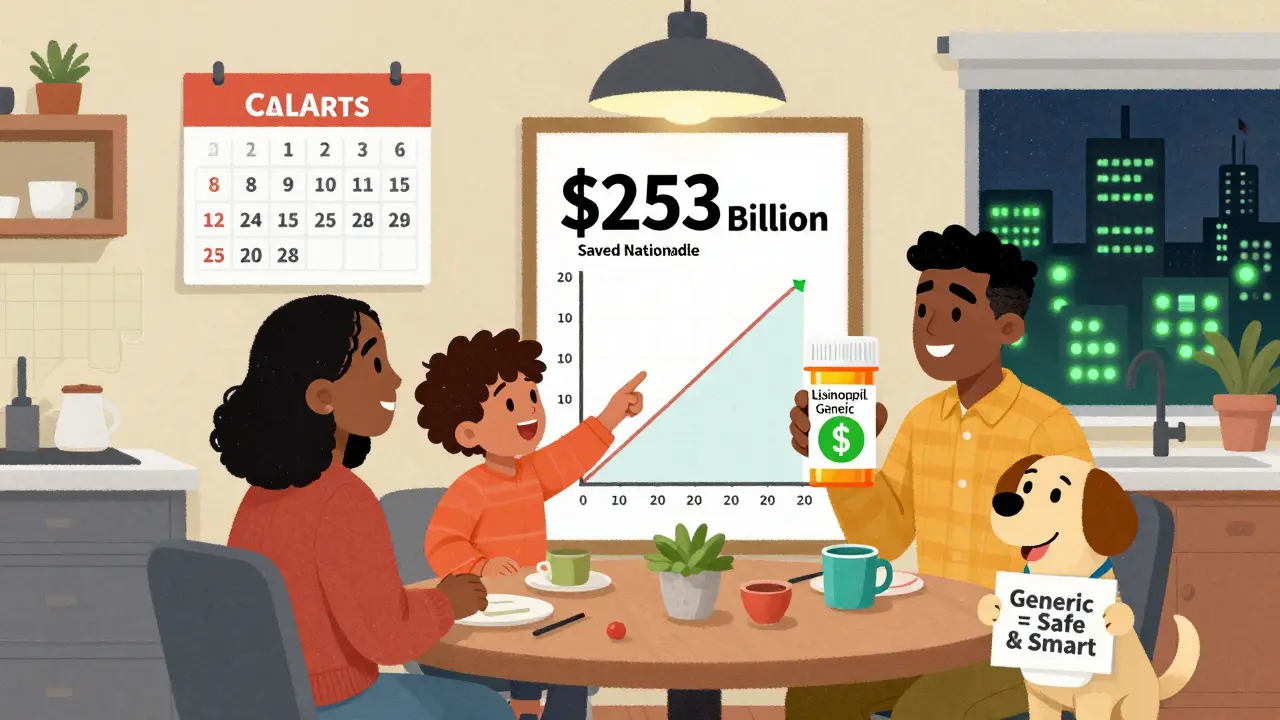
What If No Generic Exists?
About 30% of brand-name drugs still don’t have generic versions. Why? Either the patent hasn’t expired yet, or the drug is too complex to copy. Inhalers, injectables, topical creams, and some biologic drugs (like those for rheumatoid arthritis or cancer) are harder to replicate. These are called "complex generics," and the FDA is working to speed up their approval. In 2023, they identified 150 such drugs that could save billions if generics become available. For now, if you’re stuck with a brand-name drug, ask about patient assistance programs. Many manufacturers offer discounts or free medication for low-income patients.What Should You Do?
If you’re on a long-term medication - for high blood pressure, diabetes, high cholesterol, or depression - switching to a generic could save you hundreds a year. That adds up fast. One user on Reddit saved $400 a month by switching from brand Advair to its generic version, with zero change in asthma control. Keep a simple list: write down the brand name and generic name of every drug you take. That way, if your pharmacy switches your prescription, you’ll know what you’re getting. If you notice a change in how you feel - whether it’s better, worse, or just different - tell your doctor. Don’t ignore it.The Bigger Picture
Generic drugs aren’t just a personal cost-saver. They’re a public health win. From 2007 to 2016, they saved the U.S. healthcare system $1.67 trillion. In 2022 alone, they saved about $253 billion. That’s money that goes back into hospitals, research, and other care. The future looks even brighter. Over 450 brand-name drugs are set to lose patent protection by 2028. That means more generics, more savings, and more access. The FDA is speeding up reviews to make sure those drugs hit the market fast. The Inflation Reduction Act also includes new rules to push faster generic competition for expensive drugs. The bottom line? For the vast majority of people, generic drugs are just as safe and effective as brand-name drugs - and they cost a fraction of the price. Unless you’ve had a verified issue or your doctor advises otherwise, there’s no reason not to choose the generic.Are generic drugs as effective as brand-name drugs?
Yes. The FDA requires generic drugs to have the same active ingredient, strength, dosage form, and bioequivalence as the brand-name version. Studies show they work the same way in the body. For over 90% of prescriptions, there’s no difference in effectiveness. The FDA confirms that both types must be safe and work well.
Why do generic drugs look different?
U.S. trademark laws prevent generic drugs from looking exactly like brand-name versions. So they may differ in color, shape, size, or packaging. These changes don’t affect how the drug works - only the inactive ingredients (like dyes or fillers) are different. The active ingredient remains identical.
Can generic drugs cause side effects brand names don’t?
Rarely. Side effects come from the active ingredient, which is the same in both. But some people may react to inactive ingredients - like dyes or preservatives - that differ between brands. If you notice a new reaction after switching, check the ingredients with your pharmacist. It’s not common, but it’s worth investigating.
Should I always choose the generic version?
For most medications, yes. Generics are proven safe and effective, and they save you money. But for drugs with a narrow therapeutic index - like warfarin or levothyroxine - some doctors prefer consistency. If you’ve been stable on a brand-name drug and feel fine, staying on it is fine too. Talk to your doctor before switching.
Why are some drugs still only available as brand-name?
Some drugs are still under patent protection, meaning no generic can be made yet. Others are too complex to copy - like inhalers, injectables, or biologics. The FDA is working to approve more complex generics, but it takes time and advanced manufacturing. About 30% of brand-name drugs currently have no generic equivalent.
Do pharmacists automatically give me the generic?
In 49 states, yes - unless your doctor writes "dispense as written" on the prescription. Pharmacists are legally required to substitute generics when available. You don’t have to ask. If you prefer the brand name, you can request it, but you’ll likely pay more.
How much money can I save with generics?
On average, you save 80% to 85% per prescription. In 2022, the average out-of-pocket cost for a generic was $12.50, compared to $68.30 for a brand-name drug with insurance. For chronic conditions, that adds up to hundreds - even thousands - of dollars a year.
Are generics made in the same places as brand-name drugs?
Yes. Generic and brand-name drugs are often made in the same factories, sometimes even on the same production lines. The FDA inspects all facilities equally, whether they’re in the U.S., India, or China. About 80% of the active ingredients in generics come from India and China, but that doesn’t mean lower quality - the same strict standards apply.




Dee Humprey
My grandma switched from brand-name levothyroxine to generic and started having heart palpitations. She didn’t say anything for weeks because she didn’t want to be a bother. Turned out the filler in the generic was triggering her. Pharmacist found it when we checked the inactive ingredients. Always ask. Your body notices things you ignore.