Learn how to subscribe to FDA drug safety alerts for recalls, medication warnings, and recalls. Get free email updates on drug safety issues before they affect you or your loved ones.
Know the warning signs of dangerous drug interactions-when to call 911, when to see a doctor, and how to prevent life-threatening reactions. Learn what symptoms to watch for and what to do immediately.
Learn which antihistamines and pain relievers are safe to take while breastfeeding, and which ones to avoid. Clear, evidence-based guidance for nursing moms.
Overseas manufacturing quality issues are worsening, with material substitution, falsified records, and weak inspections putting patient safety at risk. Learn why foreign production is more dangerous than ever - and what actually works to fix it.
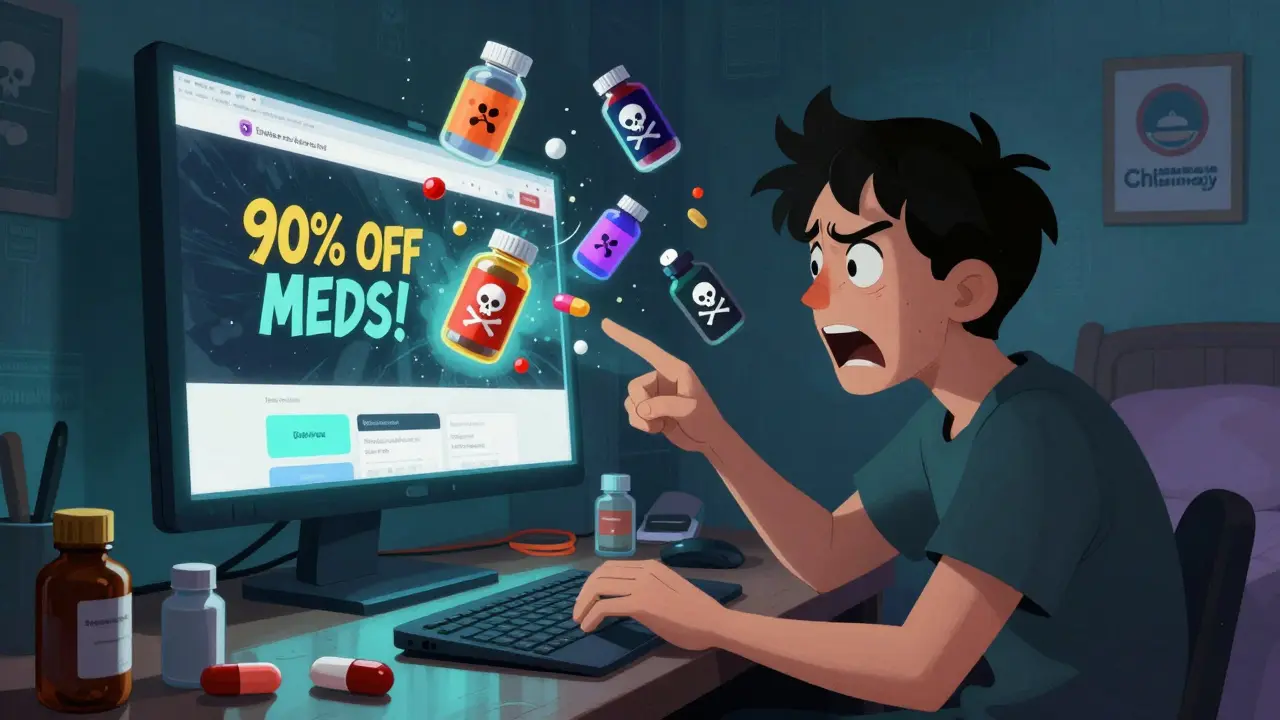
Learn how to identify safe vs. dangerous online pharmacies when buying generic medications. Discover the 4 key signs of legitimacy, the risks of counterfeit drugs, and how to protect yourself in 2025.
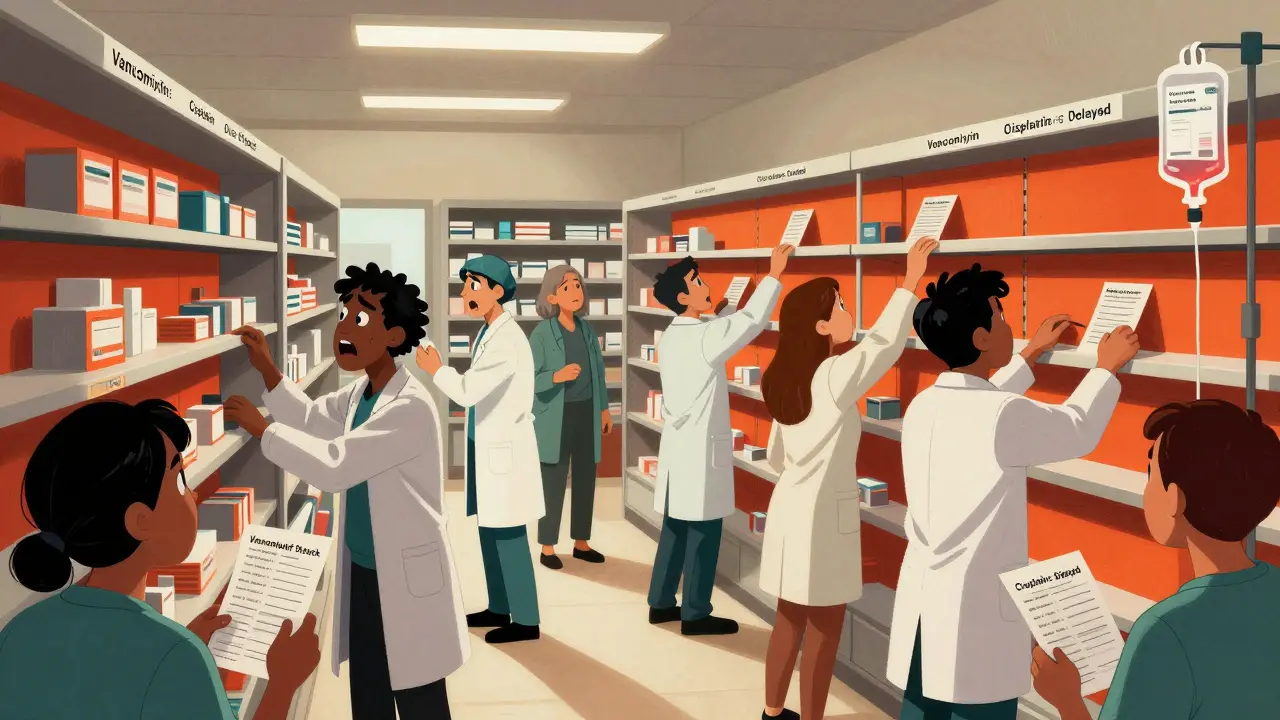
Generic drug shortages are rising, threatening patient access to essential medications. Causes include low profit margins, global supply chain risks, and manufacturing concentration. The impact is severe: delayed treatments, higher costs, and increased health risks.
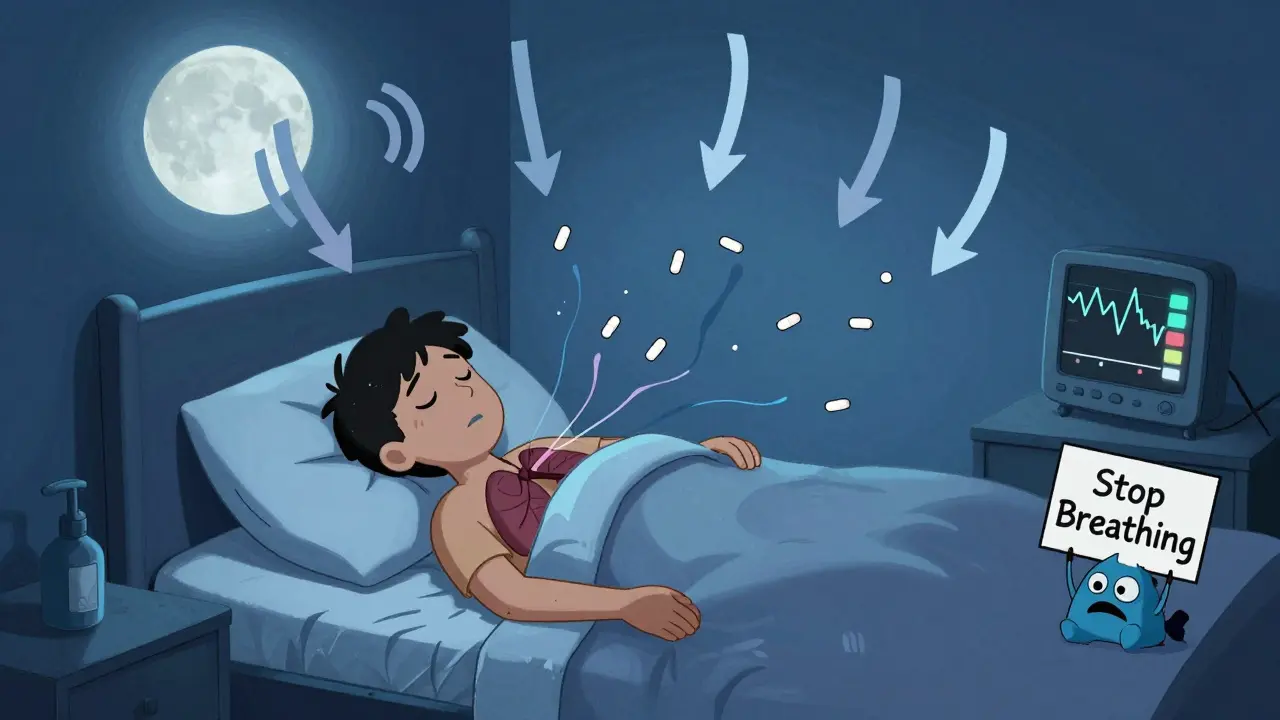
Opioids slow breathing during sleep and can trigger or worsen sleep apnea, leading to dangerous drops in nighttime oxygen. Up to 71% of long-term opioid users have severe sleep apnea. Screening and treatment can save lives.
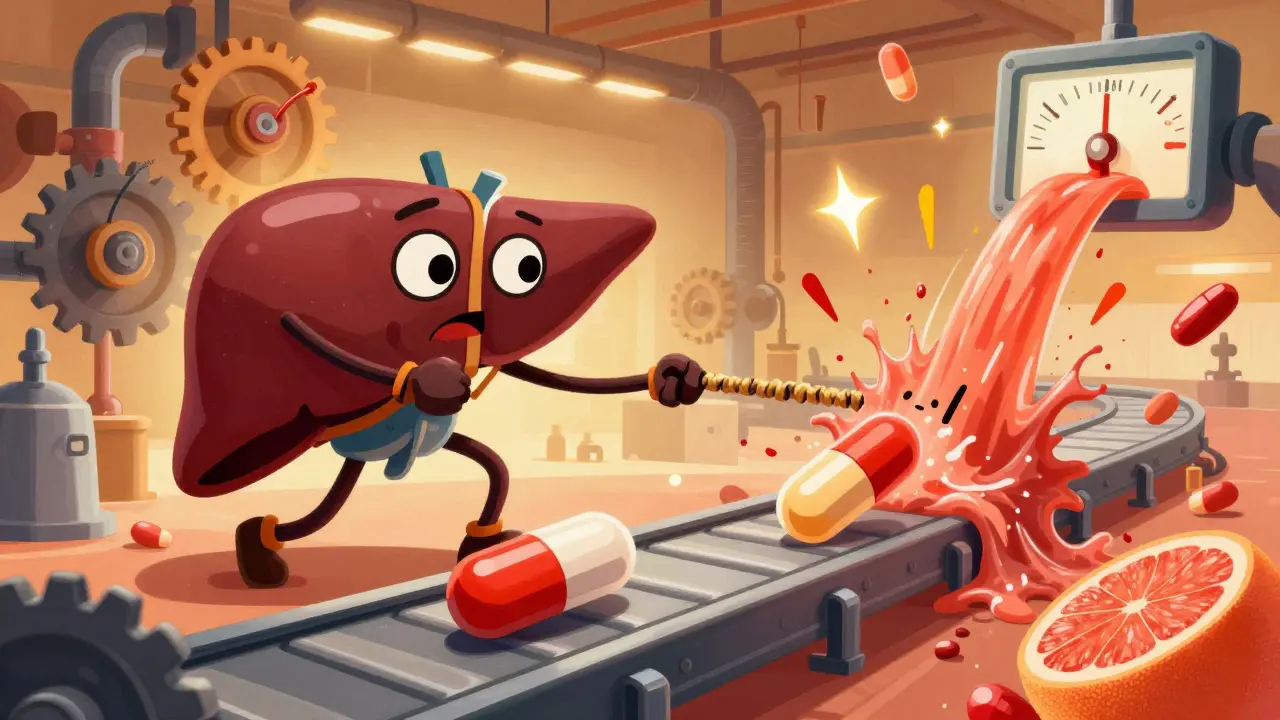
Drug interactions can make side effects worse by altering how your body processes medications. Learn how common combos like statins and grapefruit, or warfarin and aspirin, increase risks-and what you can do to stay safe.
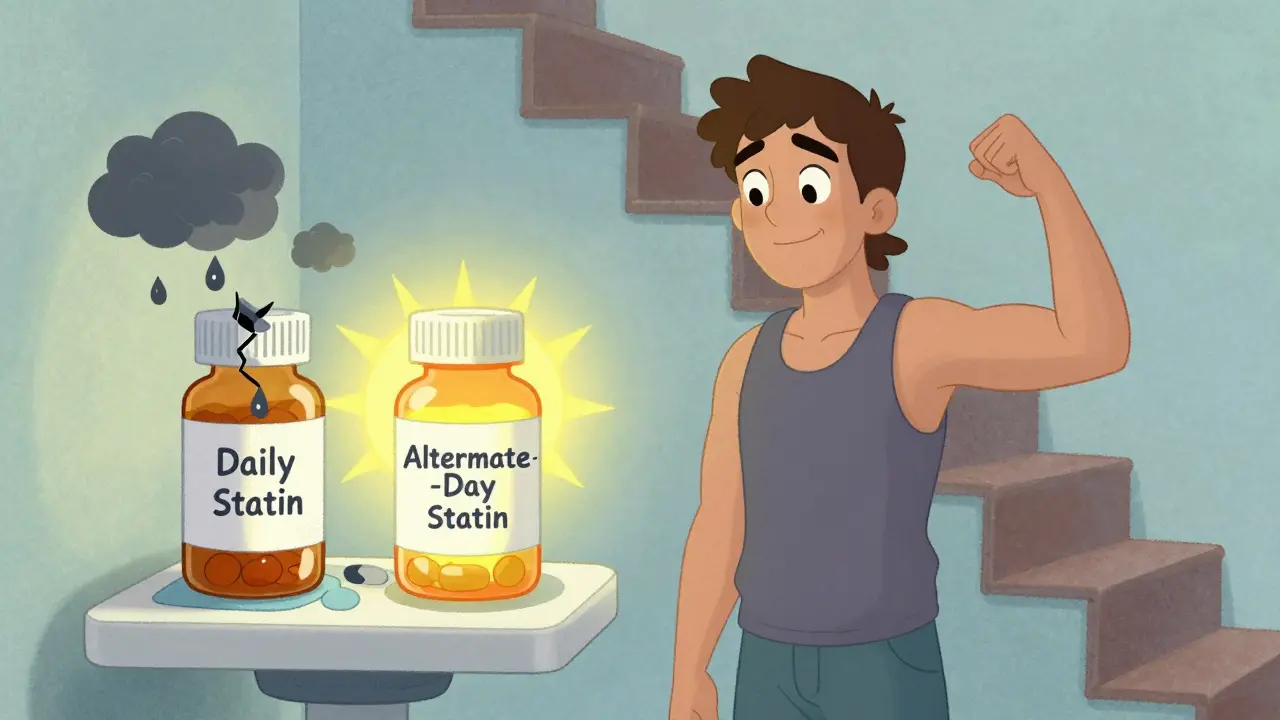
Alternate-day statin dosing can lower LDL cholesterol nearly as well as daily doses - with far fewer muscle side effects. Learn who it works for, how to do it safely, and why it’s a game-changer for statin-intolerant patients.
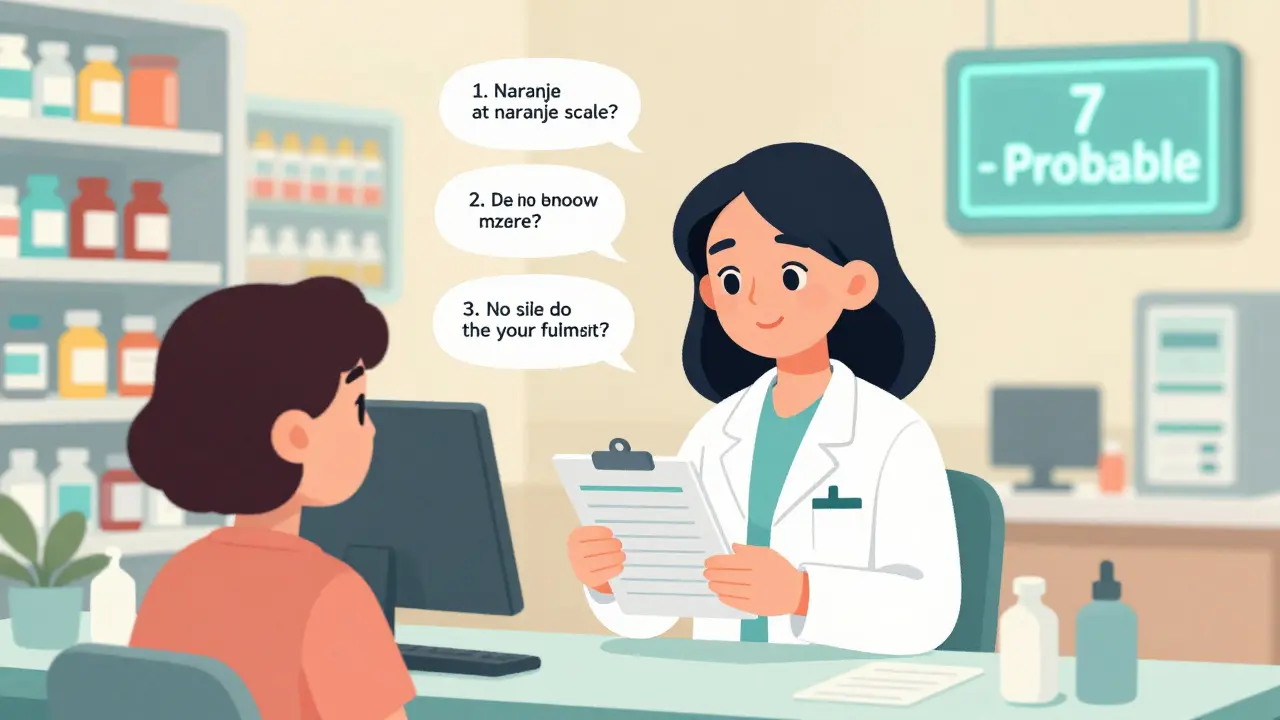
The Naranjo Scale is a proven, 40-year-old tool used globally to determine if a drug caused an adverse reaction. Learn how it works, where it shines, and why it’s still essential in modern drug safety.