
Managing multiple pharmacies and prescribers isn’t just about keeping track of pills and prescriptions. For seniors on several medications, it’s about preventing dangerous mix-ups, avoiding duplicate prescriptions, and making sure no pharmacy misses a critical interaction. When one pharmacy doesn’t know what another is filling - or when a prescriber doesn’t know what’s already been dispensed - the risk of harm goes up fast. In 2023, over 1.3% of prescriptions filled across multi-location pharmacies had errors because of inconsistent drug names or missing records. That might sound small, but for an 82-year-old on seven medications, one error can mean a hospital trip.
Why Centralized Systems Are Non-Negotiable
Trying to manage multiple pharmacies manually? You’re setting yourself up for failure. Paper logs, spreadsheets, and phone calls between locations don’t cut it anymore. The only way to keep seniors safe is with a centralized system that connects every pharmacy and prescriber in real time. Systems like EnterpriseRx by McKesson and PrimeRx don’t just store data - they sync it. Every time a prescription is filled in one location, it’s instantly updated across all others. This means if Grandma gets her blood pressure med from Pharmacy A, Pharmacy B won’t refill it the same day. No duplicates. No overlaps. No confusion. These systems use universal NDC codes - standardized identifiers for every drug - so there’s no room for misreading “Metoprolol” as “Metoprolol Tartrate.” That’s a real problem. In one study, 17% of errors in multi-pharmacy chains came from inconsistent naming. Centralized systems fix that by forcing every location to use the same language.How to Choose the Right Software
Not all pharmacy management software is built the same. If you’re running three or more locations, you need a system designed for scale, not just convenience. EnterpriseRx leads in prescription load balancing. If one store is slammed with flu shots and refills, the system automatically redirects some prescriptions to less busy locations. That cuts wait times by 32% in high-volume chains. It also integrates with over 2,400 hospital EHR systems, so prescribers can see what’s been dispensed in real time - cutting communication errors by 18%. PrimeRx wins for patient access. Seniors can pick their preferred pickup location across the chain. If they’re visiting family in another town, they don’t need to call ahead - their prescription is already there. Its inventory transfer system prevents stockouts 89% of the time, which matters when a senior can’t wait for a refill. Datascan’s Central Store Management is the only system with unlimited location support. It doesn’t charge extra for adding pharmacies. It also has an AI Watchdog 2.0 feature, launched in January 2024, that flags unusual patterns - like someone picking up opioids from three different stores in one week. That’s a red flag for diversion, and the system catches it with 92.4% accuracy. DocStation is the go-to for clinics offering immunizations, blood pressure checks, or diabetes counseling. Pharmacies using it saw an 87% increase in clinical service revenue because it ties billing, scheduling, and patient records into one dashboard.Costs and Hidden Expenses
Price tags can be misleading. Liberty Software’s PharmacyOne starts at $299 per location monthly. Sounds cheap. But what about training? Migration? Downtime? One chain spent 147 staff hours just migrating data to PharmacyOne. Their flu shot program got delayed by three weeks. That’s lost revenue and frustrated patients. EnterpriseRx costs $450 per location - but drops to $325 if you have 15+ stores. That’s still more than PharmacyOne. But here’s the catch: EnterpriseRx’s real-time patient profiles reduced duplicate therapy incidents by 29% across 120 locations. That’s not just savings - it’s lives saved. Don’t forget infrastructure. EnterpriseRx needs Windows 10 or newer, 8GB RAM, and 500GB storage. Most older systems won’t run on modern devices. And if your IT team isn’t trained, you’ll pay for consultants anyway.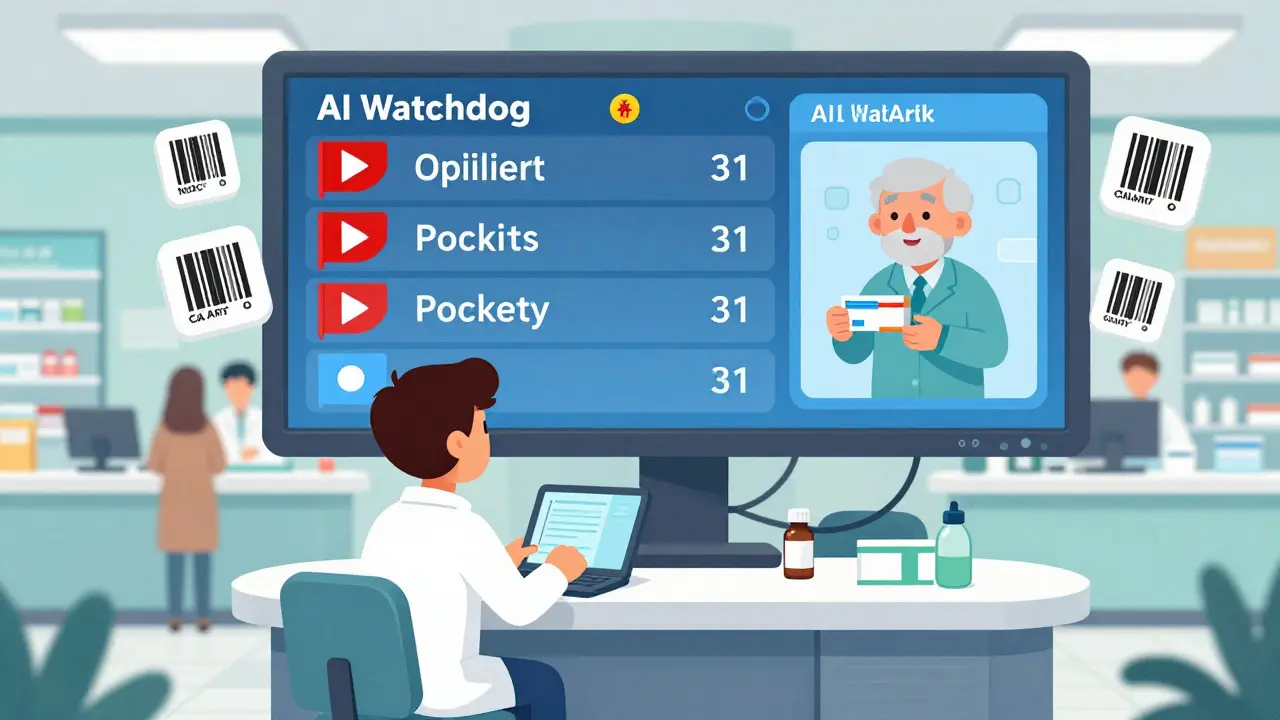
Prescriber Coordination: The Missing Link
A pharmacy can be perfectly managed, but if the prescriber doesn’t know what’s been filled, you’re still at risk. That’s why integration with EHRs like Epic and Cerner matters. Before EnterpriseRx’s 2024 integration with Epic, 18% of medication errors happened because a doctor prescribed something the pharmacy didn’t know about. Now, when a cardiologist adds a new drug, the pharmacy system gets an alert. If the patient is already on a similar medication, the system flags it. Pharmacists get a notification before the script even hits the counter. For senior patients seeing multiple specialists - a cardiologist, a neurologist, a pain specialist - this is life-saving. One study showed that when prescribers and pharmacies shared data, medication errors dropped by 41%.Security Isn’t Optional
Patient data isn’t just private - it’s protected by law. HIPAA and Joint Commission standards require encryption, access logs, and audit trails. All top systems use AES-256 encryption for data between locations. That’s military-grade. But encryption alone isn’t enough. Unauthorized access is still a threat. DocStation uses FIDO2 security keys - physical devices you plug in to log in. No passwords. No phishing. In their 2022 client cases, this cut unauthorized access by 94%. And then there’s controlled substances. Datascan’s Watchdog feature monitors all locations from one central dashboard. No need to log into each store. If someone tries to fill a high-dose opioid script at three different pharmacies in a week, the system alerts the central pharmacist. That’s how you stop doctor shopping before it happens.Implementation: What Really Happens
Most people think switching systems is a quick install. It’s not. Average deployment for a 5-10 pharmacy chain takes 8 to 12 weeks. Why? Data migration. Prescription histories, patient allergies, insurance details - all need to be moved accurately. In 27% of cases, pharmacies had prescription history errors during migration. That meant staff had to manually check 14.7% of active patient records. That’s weeks of extra work. Successful chains use the “hub-and-spoke” model. One central location handles drug files, pricing, and inventory rules. Local pharmacies keep clinical judgment - like deciding if a dose is too high for an elderly patient. That combo reduced medication errors by 38% in a 2023 UC study. Training matters too. Technicians need 16 hours. Pharmacists need 24. Chains that used vendor-certified trainers had 12% higher adoption than those training internally.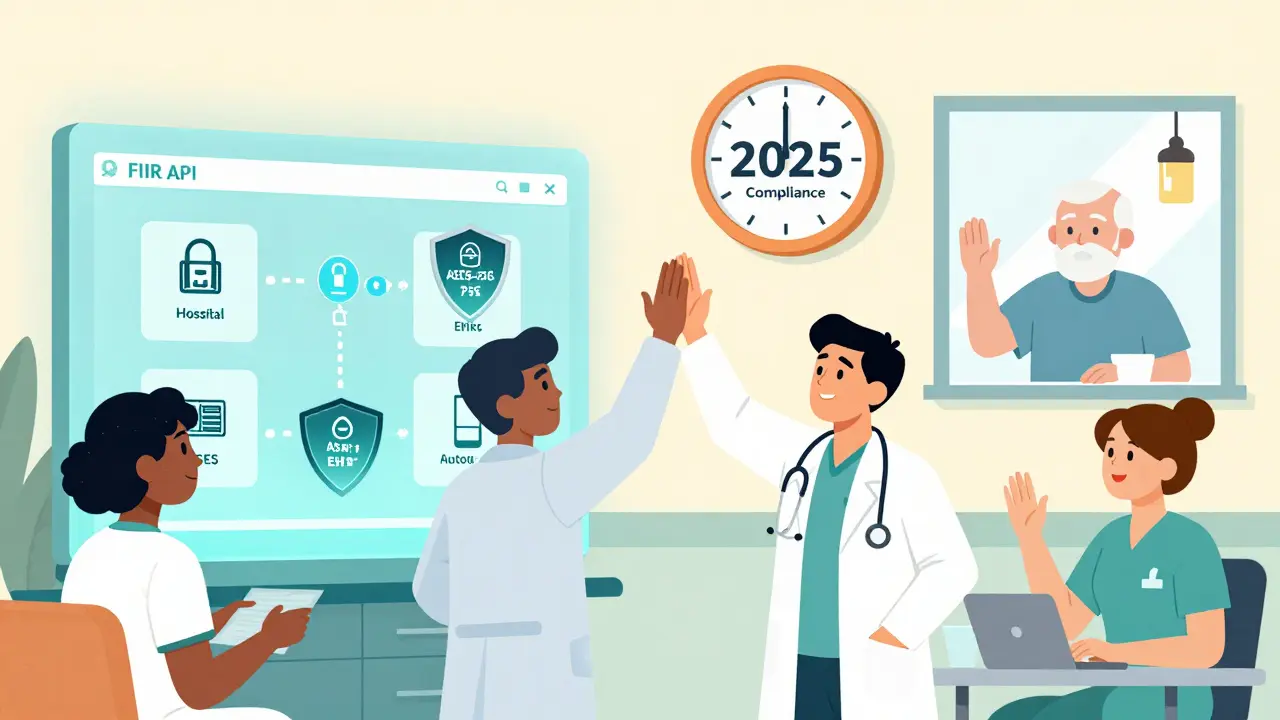
What’s Coming Next
The future is here - and it’s mandatory. By 2025, CMS will require all multi-location pharmacies to use FHIR API-compliant systems. That’s a technical standard for sharing data. Right now, 63% of existing systems can’t meet it without $200,000+ in upgrades. Blockchain-based verification is being tested. Outcomes.com’s pilot cut prescription fraud by 67% in multi-location trials. That’s huge for seniors targeted by counterfeit drug rings. The Pharmacy Quality Alliance predicts centralized systems will be mandatory for any chain with three or more locations by 2027. Why? Because regulatory requirements are growing 22% a year. Waiting isn’t an option. The longer you delay, the harder and costlier it becomes.Real Stories, Real Results
A chain of eight pharmacies in Ohio switched to DocStation in late 2023. They added immunizations and blood pressure screenings. Within six months, clinical service revenue jumped 63%. Seniors didn’t need to drive to a clinic - they got care while picking up their meds. Another chain in Florida used EnterpriseRx to balance workloads during flu season. With 37 locations, they used to have 45-minute waits. Now, it’s under 15. Patients came back. Refill rates went up. Staff burnout dropped. But not all stories are happy. One pharmacy group tried a low-cost system without central oversight. They ended up billing discrepancies between locations. Medicare audited them. They paid back $120,000 in overpayments.Final Checklist for Safe Multi-Pharmacy Management
- Use a system with universal drug files and NDC standardization
- Ensure real-time prescription syncing across all locations
- Integrate with prescriber EHRs like Epic or Cerner
- Require AES-256 encryption and FIDO2 security keys
- Implement AI-driven monitoring for controlled substance patterns
- Train staff with vendor-certified programs, not internal teams
- Use the hub-and-spoke model: central rules, local clinical judgment
- Verify FHIR API compliance before signing any contract
If you’re managing more than one pharmacy for seniors, you’re not just running a business - you’re responsible for their safety. The right system doesn’t just save time. It saves lives.



Priscilla Kraft
OMG this is so true 😭 I helped my grandma switch to EnterpriseRx last year and she hasn’t had a single mix-up since. Her blood pressure med used to get refilled twice a week by accident. Now? She gets a text when it’s ready. Life changed.