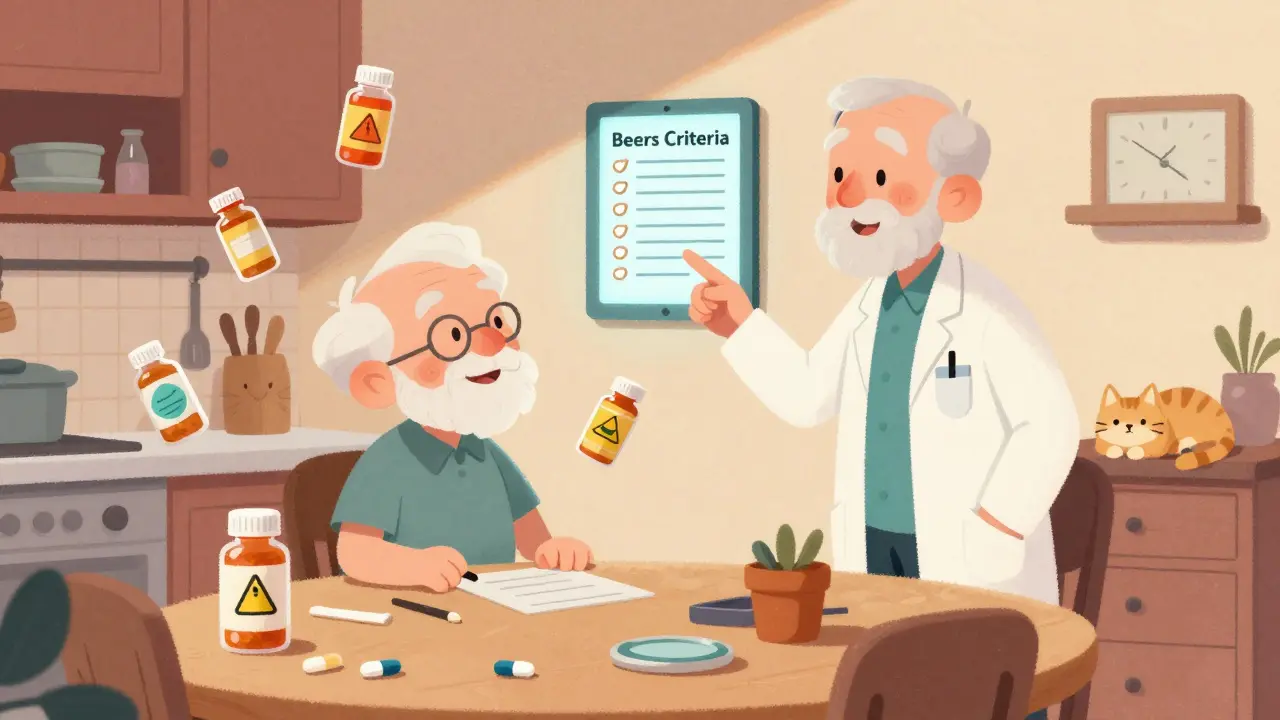
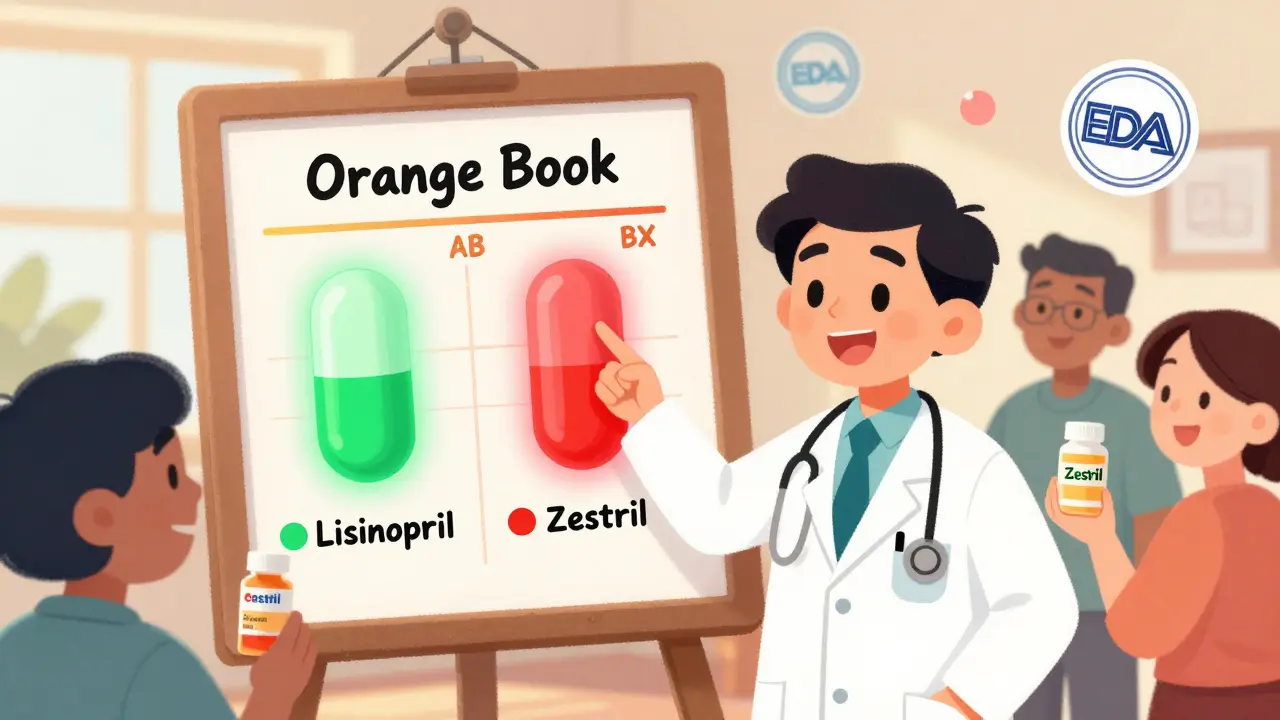
The Beers Criteria helps doctors avoid harmful medications in seniors. Learn which drugs to question, why they're risky, and how to find safer alternatives-backed by the latest 2023 guidelines.
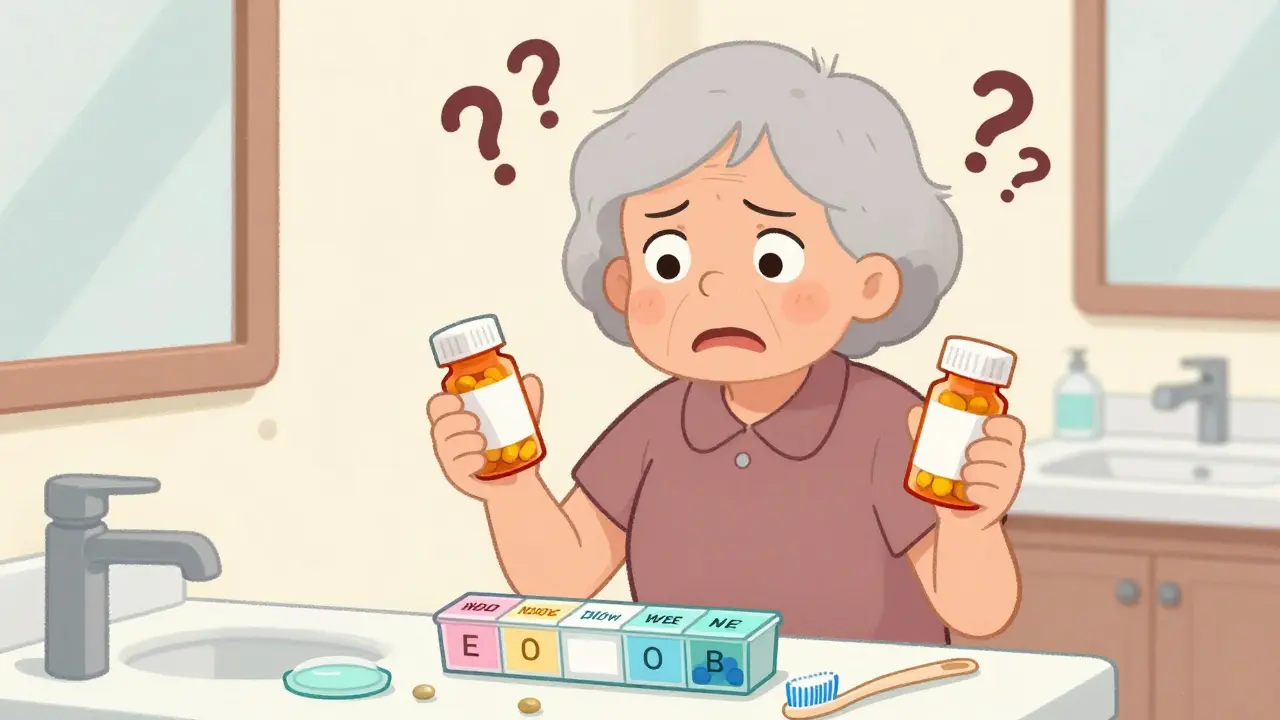
Accidental double-dosing of medications is a silent danger in homes, leading to overdoses and hospital visits. Learn simple, proven strategies - from pill organizers to digital reminders - to keep yourself and your loved ones safe.
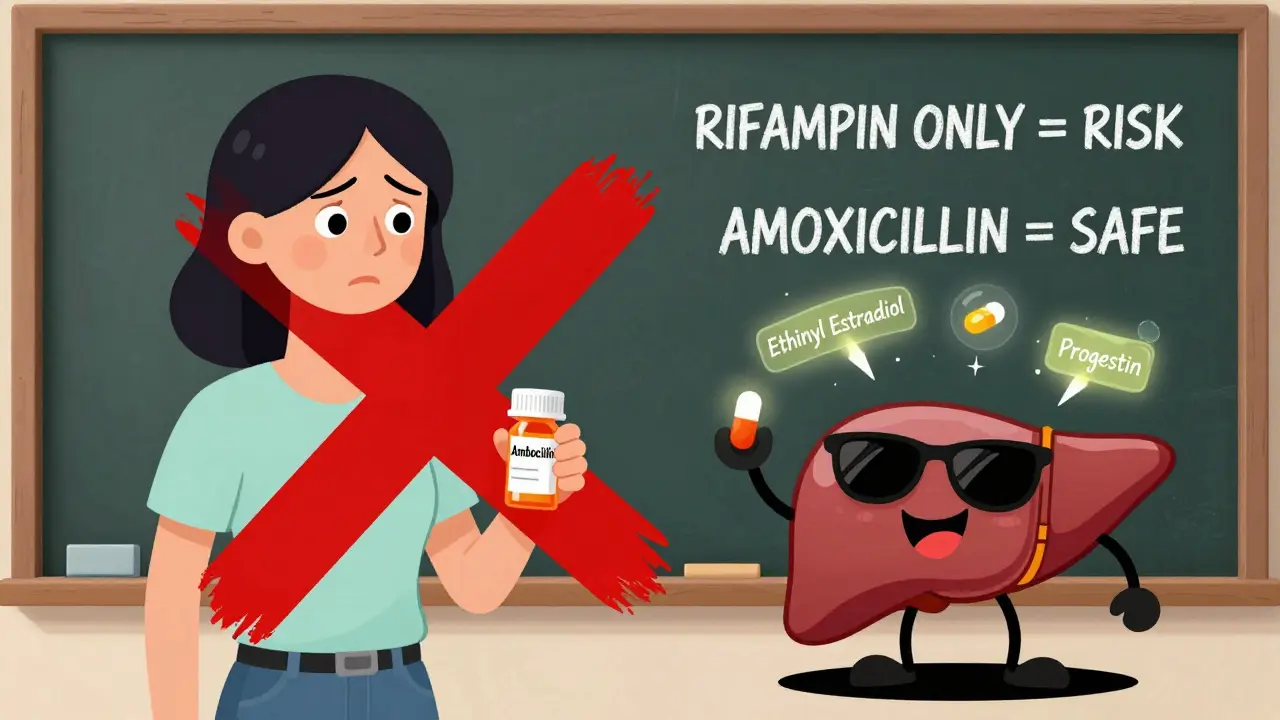
Most antibiotics don't affect birth control pills-only rifampin, rifabutin, and griseofulvin do. Learn the facts behind the myth, what drugs really interfere, and what you should do to stay protected.
Combining SSRIs with anticoagulants increases bleeding risk by 33%, especially in the first month. Learn how platelet effects drive this interaction, which drugs carry the highest risk, and what alternatives exist.
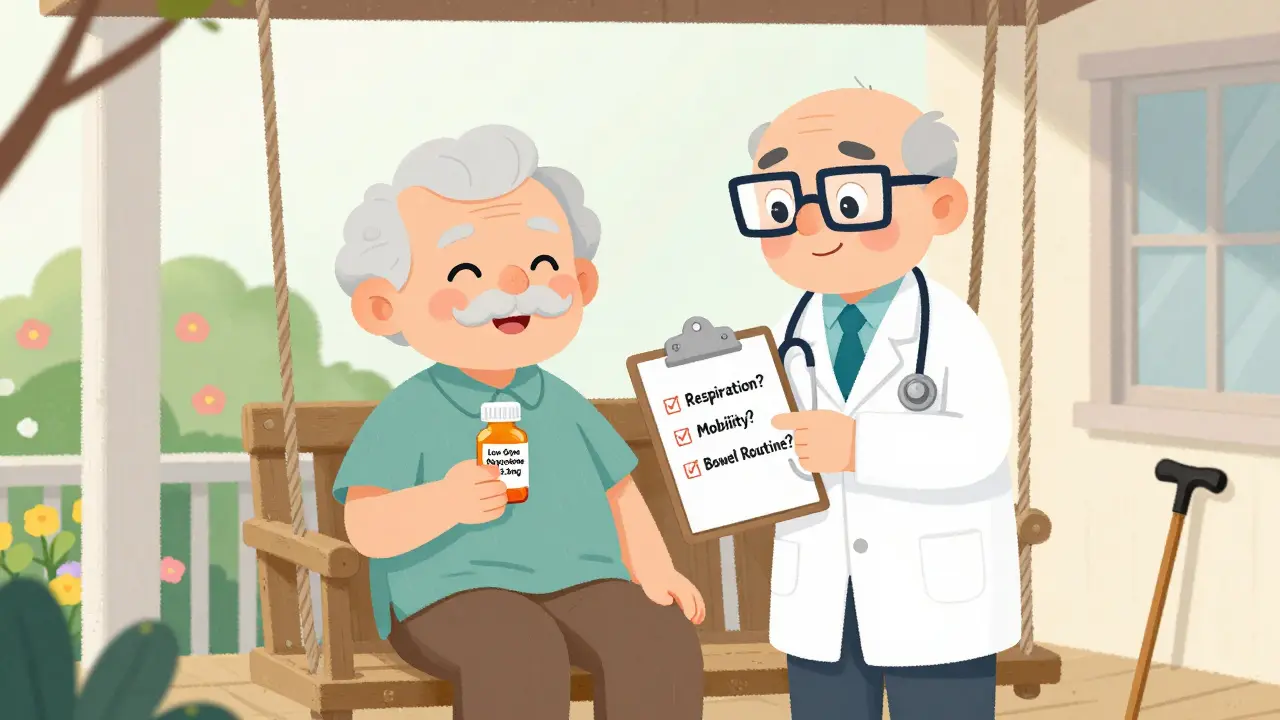
Opioids can help seniors manage pain-but only when used carefully. Learn the safest options, proper dosing, monitoring tips, and what to avoid to prevent dangerous side effects in older adults.
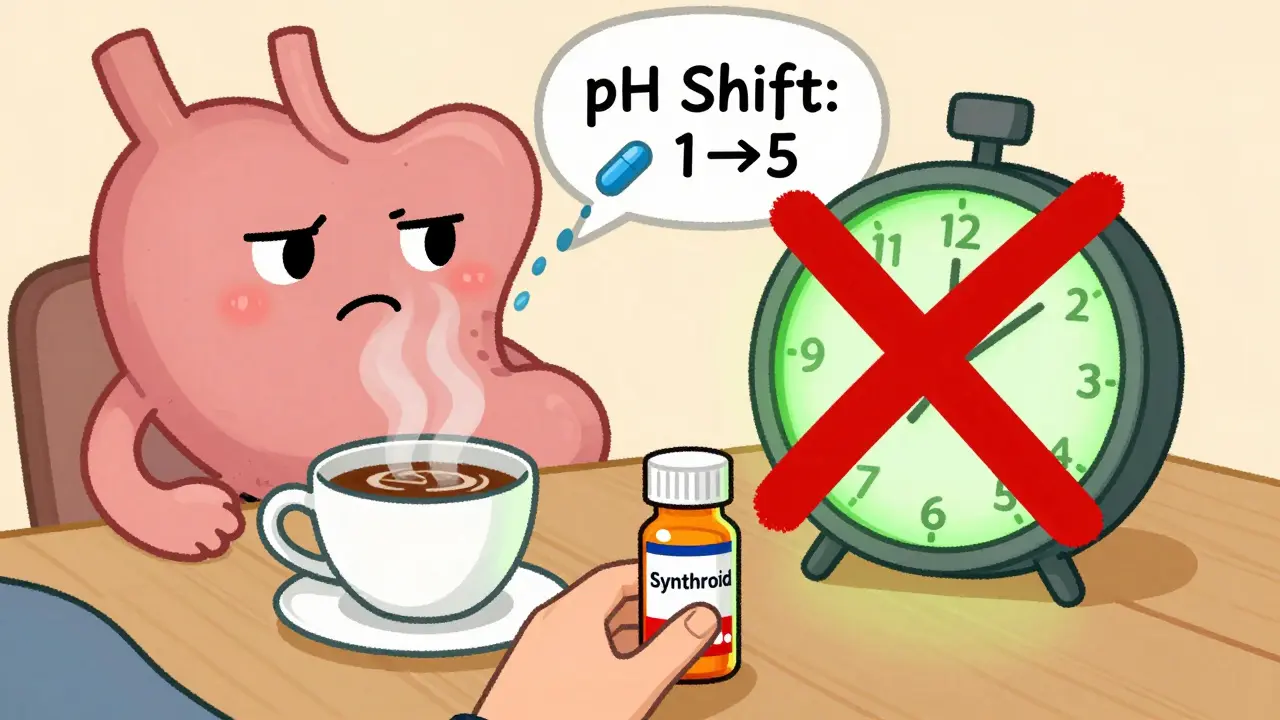
Taking meds with or without food can make the difference between them working-or failing. Learn which drugs need an empty stomach, which need food, and why it matters for your health.
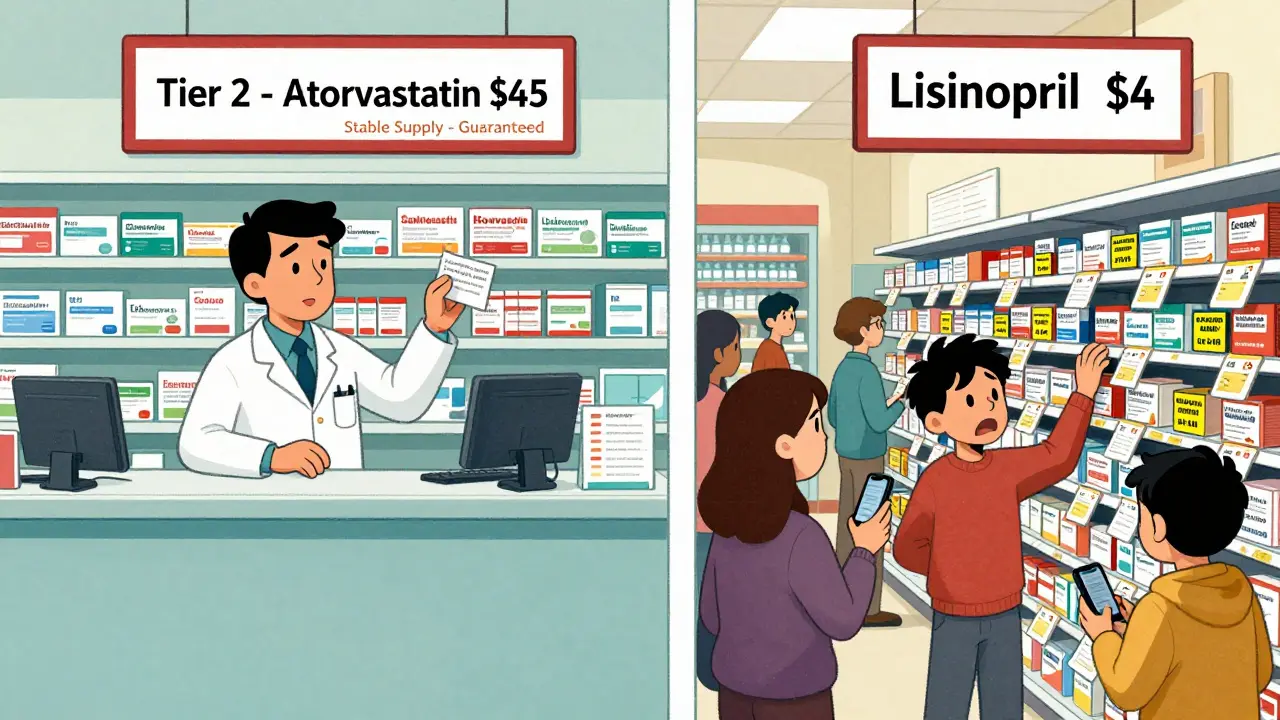
Canada's generic drug system keeps prices stable and shortages rare, but often costs more than U.S. generics. The U.S. has lower prices but frequent shortages. Here's how the two systems work-and why neither is clearly better.
Understanding the unique challenges in testing bioequivalence for combination products like fixed-dose combos and drug-device systems. Learn why generic versions take longer to approve and the latest regulatory solutions.
Real-world insights from providers on generic medications: when they work, when they don’t, and how to navigate substitutions safely. Based on FDA data, clinical studies, and frontline experience.
Learn how to request a free professional interpreter for medication counseling at pharmacies. Federal law guarantees language access for non-English speakers-here’s how to use your rights to avoid dangerous medication errors.