DOACs: What They Are, How They Work, and Why They're Changing Blood Clot Treatment
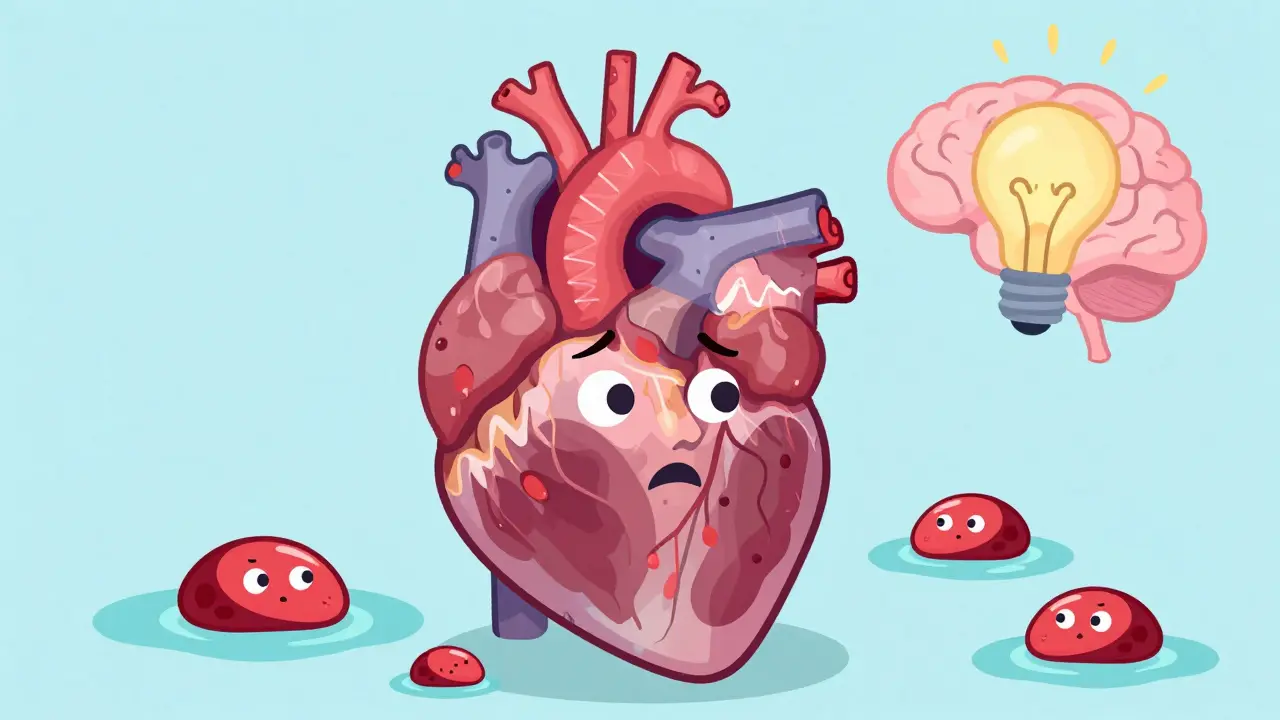
When you need to prevent dangerous blood clots—whether from atrial fibrillation, deep vein thrombosis, or after surgery—you’re likely to hear about DOACs, direct oral anticoagulants, a class of modern blood-thinning medications that work faster and require less monitoring than older options. Also known as direct oral anticoagulants, DOACs have become the go-to choice for millions because they don’t need regular blood tests, have fewer food interactions, and carry lower risks of serious bleeding compared to warfarin.
DOACs include drugs like apixaban, rivaroxaban, dabigatran, and edoxaban. Each one blocks a specific part of the clotting process: some target factor Xa, others target thrombin. That’s why they’re called direct oral anticoagulants, medications that directly inhibit key proteins in the blood clotting cascade without needing the liver to activate them first. Unlike warfarin, which affects vitamin K and requires constant dose adjustments, DOACs have predictable effects. You take them once or twice a day, and they work consistently without needing to track your INR levels. This simplicity is why doctors now recommend them as first-line treatment for most patients with non-valvular atrial fibrillation.
But DOACs aren’t right for everyone. If you have mechanical heart valves, severe kidney disease, or a history of major bleeding, your doctor might still choose warfarin or another option. And while DOACs reduce the risk of brain bleeds compared to warfarin, they can still cause serious bleeding if you fall or get injured. That’s why knowing the signs—like unusual bruising, blood in urine or stool, or sudden headaches—is critical. Some patients also worry about cost or how to reverse their effects in emergencies, but newer reversal agents like andexanet alfa and idarucizumab now exist for specific DOACs.
What you’ll find in this collection are real-world guides on how DOACs fit into daily life, how they compare to older drugs, what to watch for, and how to handle missed doses or interactions with other meds. You’ll also see how they relate to conditions like stroke prevention, pulmonary embolism, and even how they’re used in patients with cancer. These aren’t theoretical overviews—they’re practical, tested insights from people who’ve lived with these drugs and the doctors who prescribe them.
DOACs like apixaban and rivaroxaban require precise dosing in kidney disease to avoid bleeding or clots. Learn how to calculate creatinine clearance, which DOACs are safest, and when to avoid them entirely.
Blood thinners like DOACs and warfarin prevent strokes in people with atrial fibrillation. Learn how they work, which one is best for you, and why DOACs are now the top choice for most patients.
Athletes on blood thinners face higher bleeding risks during sports. Learn how DOACs like apixaban, sport risk levels, and timed dosing can help you stay active safely without compromising health.
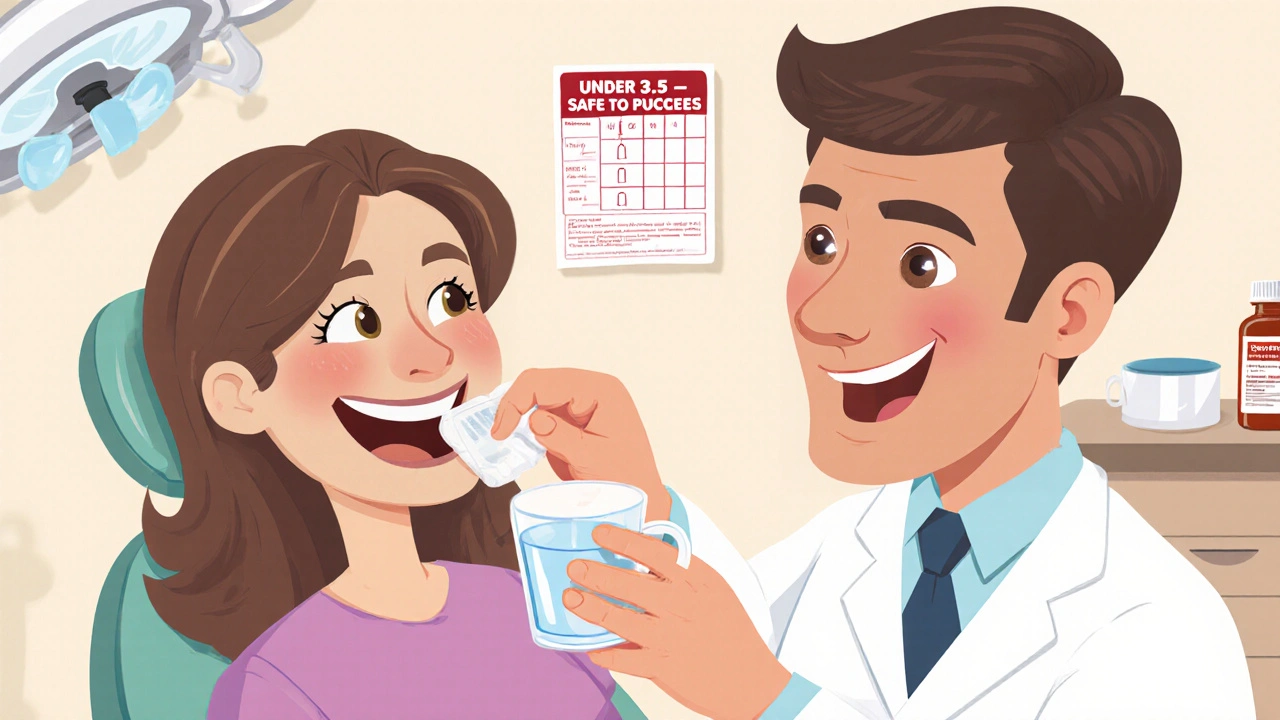
Learn the latest guidelines on dental procedures while taking blood thinners. Discover when to stop or keep your medication, what procedures are safe, and how to prevent dangerous bleeding or clots.