Warfarin: What It Is, How It Works, and What You Need to Know
When your doctor prescribes warfarin, a blood-thinning medication used to prevent dangerous clots in veins and arteries. Also known as Coumadin, it’s one of the most widely used anticoagulants in the world. Unlike newer drugs that come in fixed doses, warfarin requires careful tuning — too little and you’re at risk for a stroke or clot, too much and you could bleed internally. It doesn’t dissolve clots; it stops new ones from forming by blocking vitamin K, which your body needs to make clotting proteins.
This is why INR monitoring, a blood test that measures how long it takes your blood to clot is so critical. Your doctor will check your INR regularly — often every few weeks at first — to make sure your dose is just right. Many people on warfarin also take other medications that can interfere with it, like antibiotics, drugs that can suddenly make warfarin stronger and raise bleeding risk, or even common supplements like garlic or ginkgo. Even small changes in your diet, especially how much leafy green food you eat, can throw off your levels because vitamin K directly fights warfarin’s effect.
People take warfarin for reasons like atrial fibrillation, deep vein thrombosis, pulmonary embolism, or after getting a mechanical heart valve. It’s not a quick fix — it’s a long-term tool that works silently in the background. But it’s not for everyone. If you’re prone to falls, have a history of bleeding ulcers, or can’t commit to regular blood tests, your doctor might recommend a different option. Still, for millions, warfarin remains the most cost-effective and well-understood choice.
What you’ll find below are real-world guides that dig into the details: how warfarin interacts with other drugs, what foods to watch out for, why some people switch to newer anticoagulants, and how to stay safe while taking it. These aren’t theory pieces — they’re practical, tested insights from people who’ve been there and doctors who’ve seen the consequences of getting it wrong.
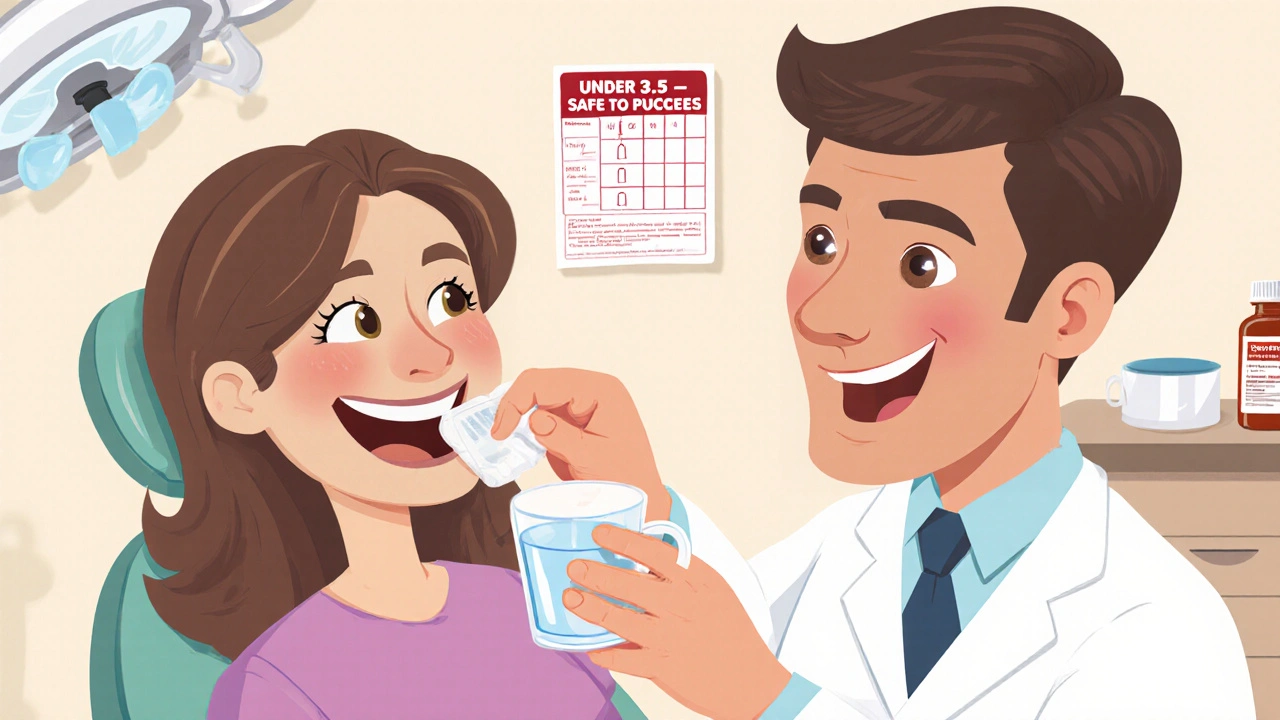
Learn the latest guidelines on dental procedures while taking blood thinners. Discover when to stop or keep your medication, what procedures are safe, and how to prevent dangerous bleeding or clots.