Narrow Therapeutic Index: What It Means and Why It Matters for Your Medications
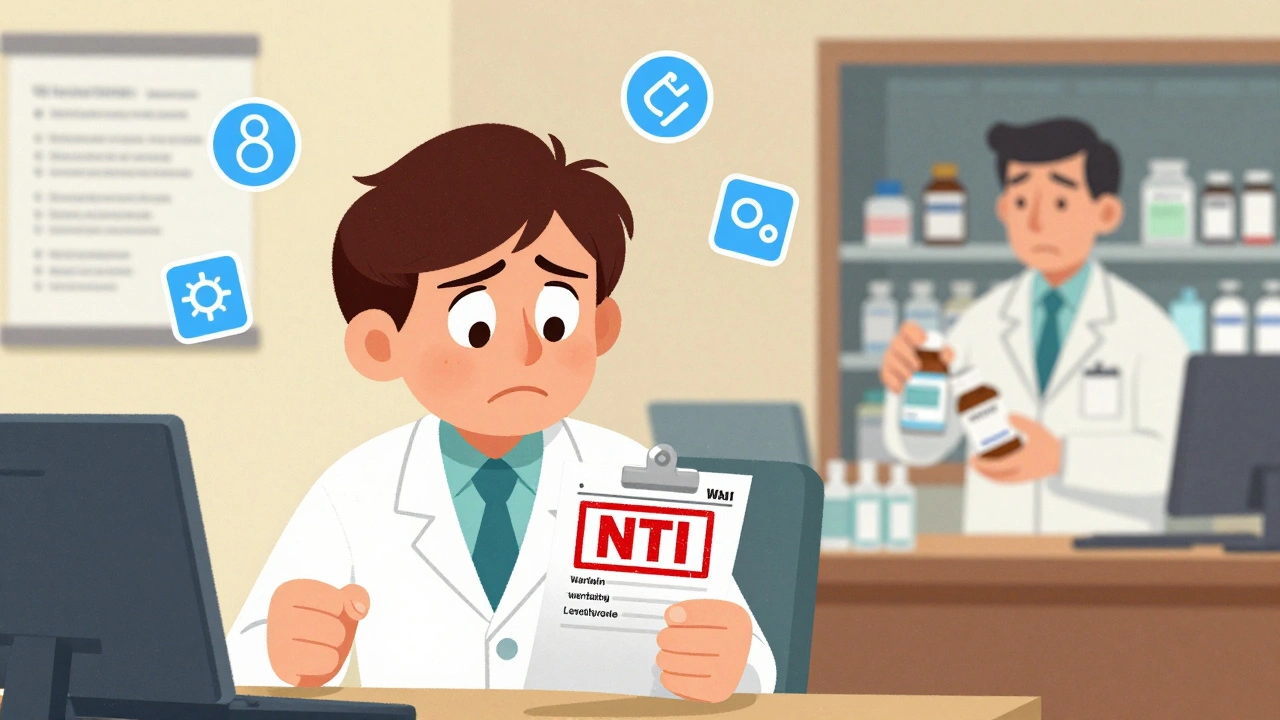
When a drug has a narrow therapeutic index, a small range between the dose that works and the dose that causes harm. Also known as a narrow therapeutic window, it means your body can’t tolerate much variation—take a little too much, and you risk serious side effects; take too little, and the drug won’t work at all. This isn’t just a technical term—it’s a safety red flag that affects real people every day.
Drugs with a narrow therapeutic index include warfarin, a blood thinner where a tiny change in dose can cause dangerous bleeding or clots, lithium, used for bipolar disorder but toxic if blood levels rise just a bit, and phenytoin, an anti-seizure medicine that requires frequent blood tests to stay in the safe zone. These aren’t rare drugs—they’re commonly prescribed. And because they’re so sensitive to changes in how your body absorbs or breaks them down, switching from brand to generic—even if it’s legally approved—can be risky if not monitored closely.
This is why the ANDA process, the FDA’s pathway for approving generic drugs, demands strict proof of bioequivalence for these medications. A generic version must match the brand’s absorption rate within a very tight range. But even then, some patients report problems after switching. That’s not just in their head—it’s the nocebo effect, where expectation of side effects triggers real physical reactions, mixed with real pharmacological sensitivity. Doctors often stick with the same brand for these drugs for a reason: consistency saves lives.
It’s also why you’ll see black box warnings, the FDA’s strongest safety alerts on many of these drugs. They’re not just cautionary labels—they’re life-saving signals. If your medication has a narrow therapeutic index, you need to know your dose, your lab numbers, and what to watch for. Skipping a dose, taking it with grapefruit juice, or starting a new supplement can throw your levels off. That’s why regular blood tests aren’t optional—they’re part of the treatment.
What you’ll find below are real, practical guides that connect directly to this issue: how generic switches can backfire, why certain antidepressants need careful dosing, how blood thinners interact with dental work, and what to do when a drug’s window is this thin. These aren’t theoretical discussions—they’re stories from people managing these drugs every day, and the science behind why it’s so easy to slip out of the safe zone. Pay attention. Your next dose could depend on it.
Prescribers have deep concerns about substituting generic versions of narrow therapeutic index (NTI) drugs due to small changes in blood levels that can cause serious harm. Despite FDA assurances, real-world data shows substitution risks, communication gaps, and persistent brand use among doctors.
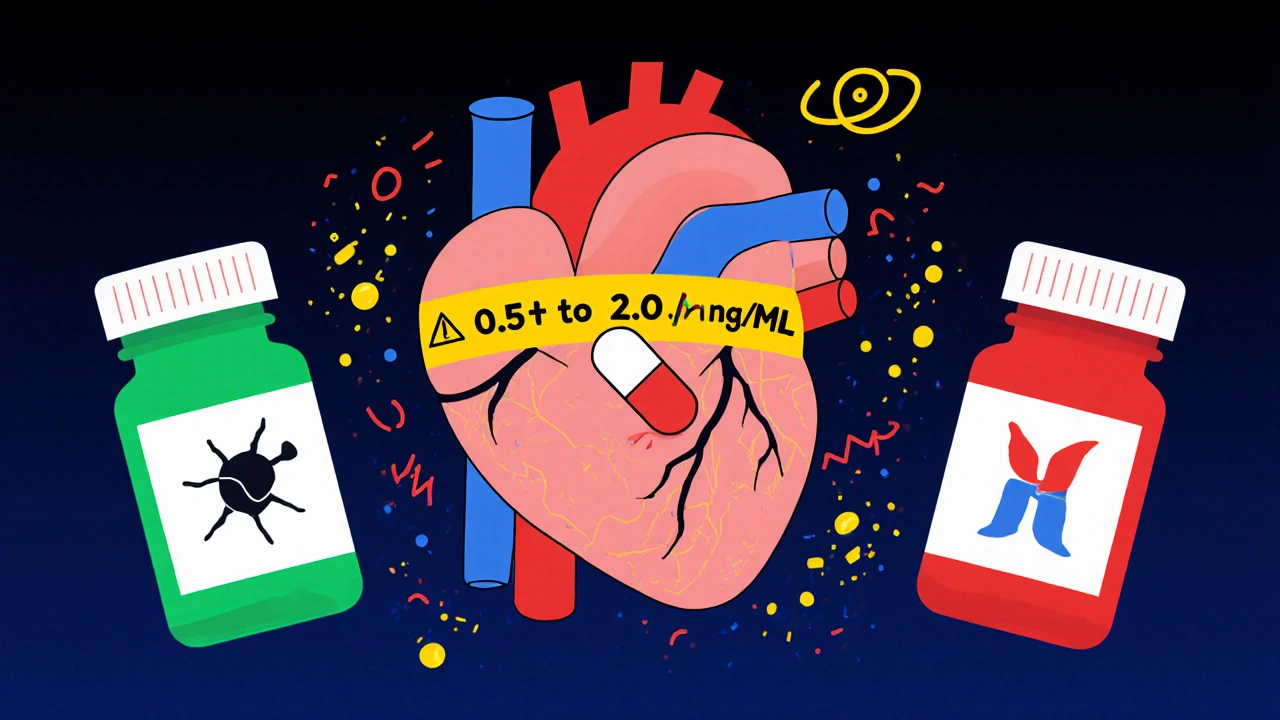
Digoxin generics can be dangerous if bioavailability varies between brands. Even FDA-approved switches may cause toxicity or treatment failure. Learn why consistent use and regular blood monitoring are critical for safety.