
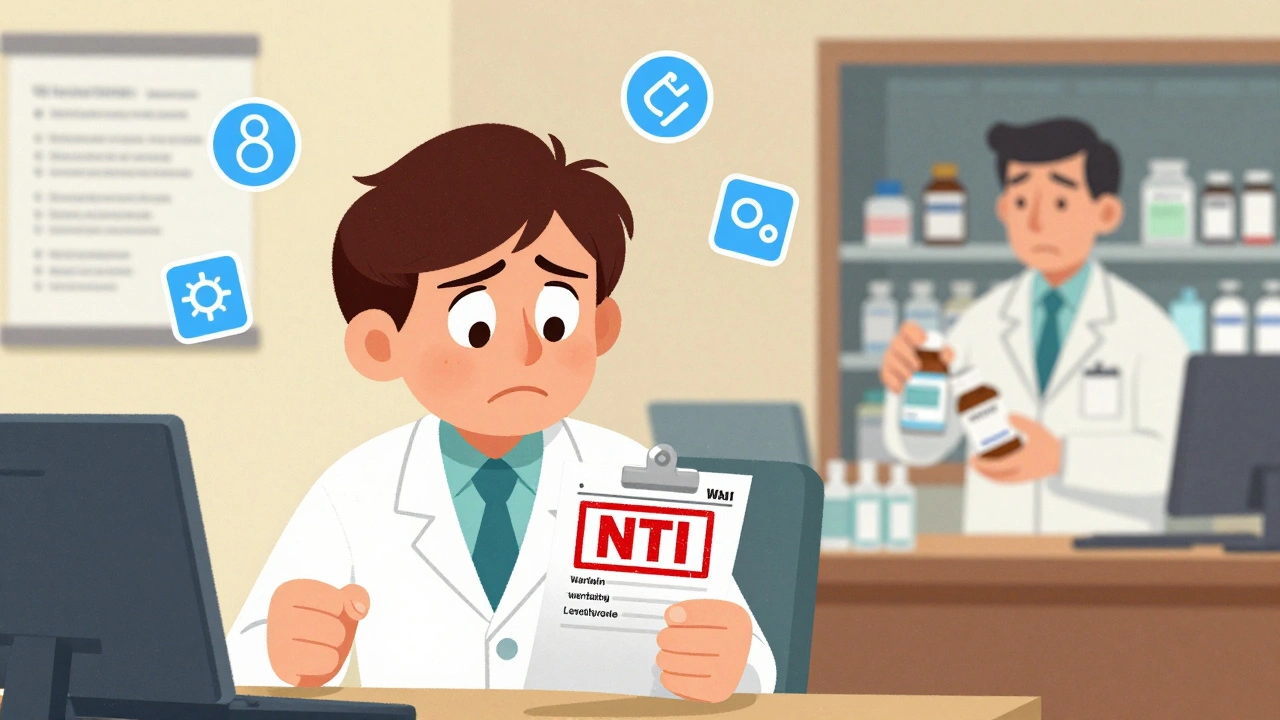
When a pharmacist swaps a brand-name drug for a generic, most people assume it’s just a cost-saving move with no real difference. But for NTI drugs, that assumption can be dangerous. Narrow Therapeutic Index drugs - like warfarin, levothyroxine, lithium, phenytoin, and tacrolimus - have razor-thin margins between effective and toxic doses. A 5% change in blood levels can mean the difference between control and crisis. And yet, across the U.S., pharmacists are legally allowed to substitute these drugs without telling the prescriber in most states. So what do doctors actually think about it?
Why NTI Drugs Are Different
Narrow Therapeutic Index isn’t just medical jargon. It’s a warning label built into the chemistry of the drug. The FDA defines NTI drugs as those where the gap between the lowest dose that works and the lowest dose that causes harm is two or less. For comparison, most medications have a ratio of 10 or higher. That means if your blood level of warfarin drops from 2.1 to 1.9 - a tiny shift - your risk of clotting spikes. If it climbs to 2.4, you could bleed internally. There’s no room for error. These drugs aren’t rare. They’re used in heart disease, epilepsy, thyroid disorders, organ transplants, and mental health. And they’re often lifelong. Patients don’t take them for a week. They take them for years. Stability matters more than cost.What Doctors Actually Say
A 2018 survey of 710 pharmacists found that 94% believed doctors thought generic NTI drugs were just as safe as brand-name ones. But here’s the catch: only 60% of pharmacists said they substituted generics for refills, even though they did it for 82% of new prescriptions. That gap tells you everything. Doctors are okay with switching at the start - maybe because they’re monitoring closely. But once a patient is stable? They don’t want to touch it. Transplant specialists are the most skeptical. A 1997 survey of 59 transplant pharmacists showed 92% believed bioequivalence studies done on healthy volunteers couldn’t predict how a transplant patient would react. That’s not paranoia. It’s experience. These patients are on multiple immunosuppressants. Their bodies are fragile. Even a 5% dip in tacrolimus levels can trigger rejection. And rejection doesn’t wait for paperwork. A 2023 survey by the American College of Physicians found that 57% of internists would prescribe brand-name NTI drugs for high-risk patients at the start of therapy. Why? Stability. They’ve seen patients crash after a switch. One patient on levothyroxine went from TSH of 2.1 to 8.7 after a generic swap - no symptoms at first, then fatigue, weight gain, depression. By the time they came back, they needed a full thyroid workup and a dose adjustment. The doctor didn’t even know a switch had happened.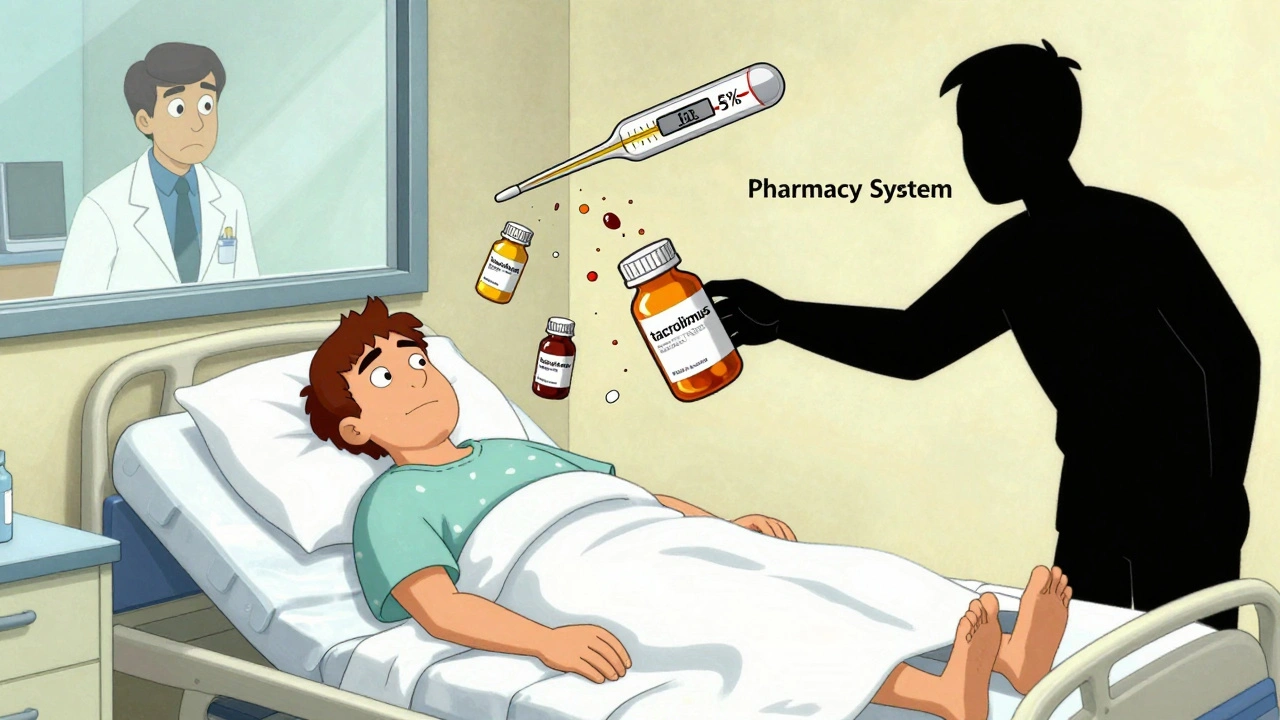
The Regulatory Patchwork
There’s no national rule. Instead, you’ve got a patchwork of state laws. As of 2023, 28 states have some kind of NTI-specific substitution restriction. Texas and Florida keep official lists. In those states, pharmacists can’t swap without prescriber approval. Seventeen states require the patient to give written consent before a substitution. And guess what? Those states saw 23% fewer generic NTI substitutions than states with no rules. The FDA says 98% of generic NTI drugs perform within 3-4% of the brand. That sounds solid - until you realize that 3-4% is still the difference between safety and danger for some patients. The FDA’s own data from 2020 shows that while most generics are fine, a small percentage cause real problems. The Institute for Safe Medication Practices recorded 1,247 NTI-related medication errors between 2015 and 2020. Thirty-seven percent of those were tied to substitution. Eight percent led to harm. That’s not a small number when you’re talking about strokes, seizures, or organ failure.Communication Breakdowns
Doctors aren’t always told when a switch happens. In 2021, a study found that 78% of hospital pharmacists always notify prescribers - but that’s not true in retail settings. Community pharmacists often don’t. And when they do, it’s usually by phone. Doctors hate phone calls. They’re busy. They’re overwhelmed. A 2021 study in the Journal of the American Pharmacists Association found that 63% of physicians preferred electronic notifications - automatic alerts in their EHR system. But few systems are set up for that. Primary care doctors get about 2.7 NTI substitution alerts per month. Psychiatrists? Over five. Why? Lithium. It’s an NTI drug. A tiny change in blood levels can cause tremors, confusion, or kidney damage. And psychiatrists know it. They’ve seen patients go from stable to hospitalized after a switch. But they’re not always warned. And then there’s the patient confusion. The AMA reported in 2022 that 41% of physicians had patients come in confused because their pill looked different. They thought they were getting a new drug. Or worse - they thought the new pill wasn’t working. That led to 29% more office visits for monitoring. Each visit costs an estimated $127. That’s $3 million a year just from confusion and extra tests.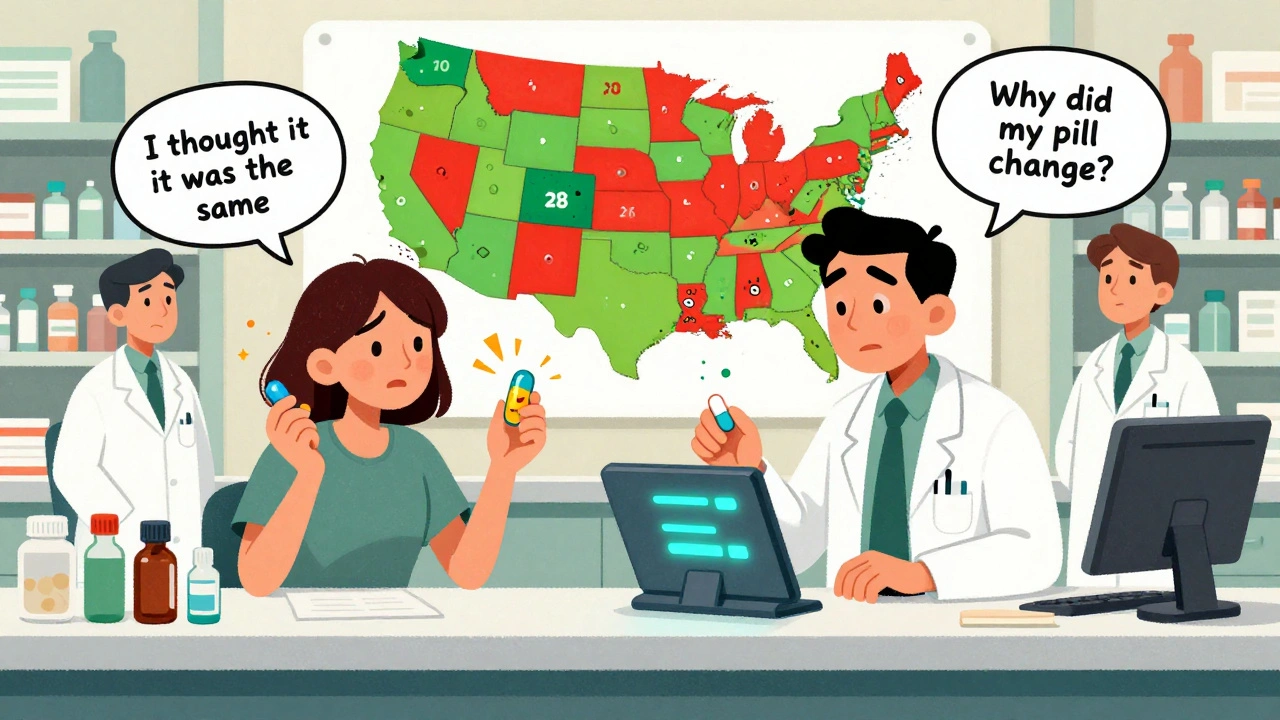



Jim Schultz
Let’s be real - if you think a 3-4% bioequivalence margin is safe for warfarin or lithium, you’ve never seen a patient bleed out because their INR went from 2.2 to 2.8 after a ‘generic swap’! The FDA’s numbers are nice… until someone’s brain bleeds. And don’t get me started on how pharmacies don’t even log these switches in the EHR! It’s not just negligence - it’s systemic malpractice with a side of profit motive.