Prevent Low Blood Sugar: Tips, Triggers, and Real Solutions
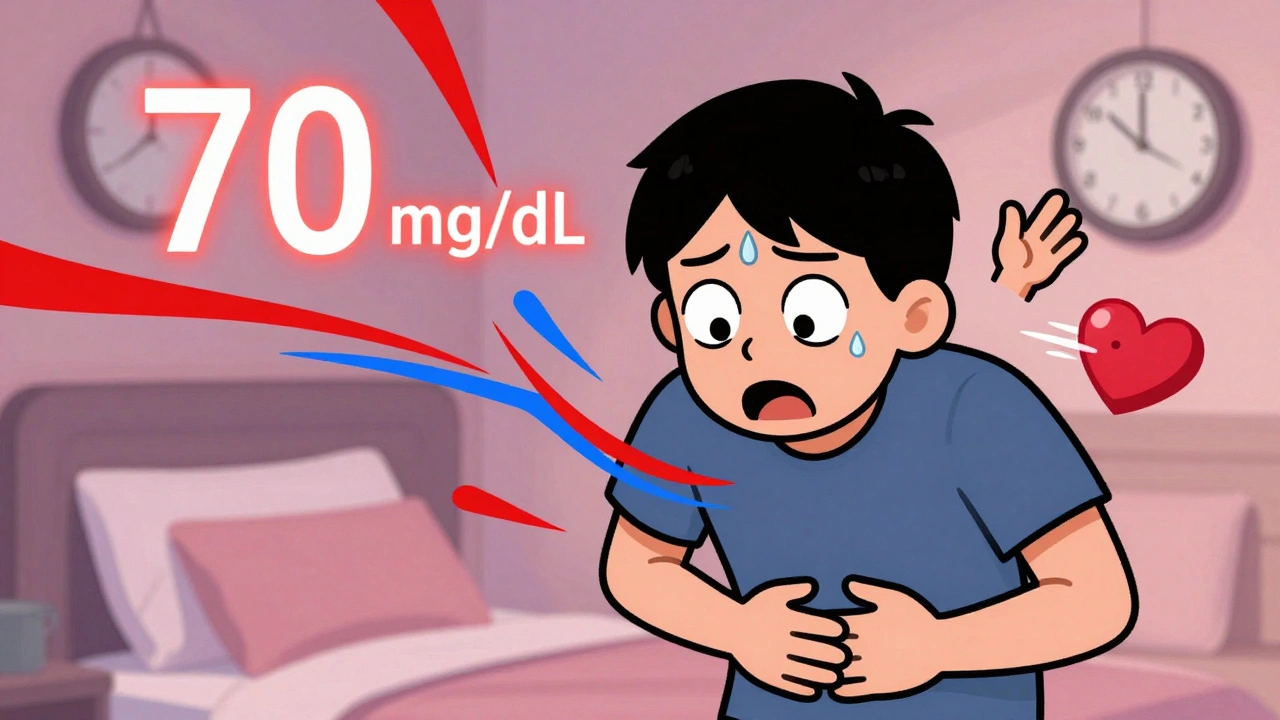
When your blood sugar levels, the amount of glucose circulating in your bloodstream drop too low, you don’t just feel shaky—you risk confusion, fainting, or worse. This isn’t just a problem for people with diabetes. Anyone on insulin, certain oral meds, or even skipping meals can slip into hypoglycemia, a condition where blood glucose falls below 70 mg/dL. It’s not rare. It’s not mysterious. It’s predictable—and preventable.
Most people think low blood sugar happens because they didn’t eat enough. But it’s often more complex. insulin, a hormone that moves glucose from the blood into cells can be too strong, too fast, or mismatched with food intake. Even a small change in dose, timing, or activity level can tip the scales. People on metformin, sulfonylureas, or GLP-1 agonists aren’t immune either. And if you’re using insulin pumps or multiple daily injections, your risk is higher. The key isn’t just eating more—it’s matching your medication to your life.
What makes this worse? Skipping meals, drinking alcohol without food, intense exercise without a snack, or not checking your levels after activity. You might not feel symptoms until it’s too late. That’s why checking your blood sugar before driving, working out, or going to bed matters more than you think. Keeping fast-acting carbs like glucose tabs, juice, or candy on hand isn’t a backup—it’s your safety net. And if you’re on insulin, knowing how to adjust your dose based on activity or meals can stop a crash before it starts.
Some people think generic substitutions or switching brands of insulin can cause low blood sugar. That’s not always true—but it can happen with drugs like digoxin, a heart medication with a narrow therapeutic window, where tiny changes in absorption make a big difference. The same principle applies to insulin. Not all brands act the same. If you switch and start feeling dizzy or sweaty more often, it’s not in your head. Talk to your provider. Track your numbers. Don’t assume everything’s fine because the label says "equivalent."
Preventing low blood sugar isn’t about being perfect. It’s about being aware. It’s about knowing your triggers and having a plan. It’s about checking your levels when you feel off—even if you think you’re just tired. It’s about telling your family or coworkers what to do if you can’t speak. And it’s about not ignoring the warning signs because you’ve "gotten used to it."
Below, you’ll find real-world advice from people who’ve been there—how to spot hidden causes, what meds to watch, how to adjust without guesswork, and what to do when your body says "stop." No fluff. No theory. Just what works.
Learn how to recognize, treat, and prevent low blood sugar (hypoglycemia) if you have diabetes. Understand symptoms, emergency treatments like glucagon, and proven prevention strategies backed by 2025 guidelines.