Pharmaceutical Patents: How They Shape Drug Access, Prices, and Generic Alternatives
When you hear pharmaceutical patents, legal protections that give drug makers exclusive rights to sell a medicine for a set time. Also known as drug patents, they’re the reason brand-name pills cost so much—until someone finds a way around them. These patents aren’t just paperwork; they’re the engine behind how drugs reach the market, who can make them, and how much you pay for them.
Behind every brand-name drug is a patent that blocks competitors for 20 years. But there’s a twist: once that clock runs out, other companies can step in with generic drugs, medicines that are chemically identical to the brand but cost far less. The Hatch-Waxman Act, a 1984 U.S. law that balanced innovation with access created a legal shortcut for generics. It lets companies challenge weak patents and get 180 days of exclusive rights to sell the first generic version. But here’s where it gets messy: brand-name companies sometimes launch their own authorized generics, exact copies sold under a different label to undercut the first generic—killing competition before it even starts. This isn’t a glitch; it’s built into the system.
The ANDA process, the legal pathway for generic drug approval is how these cheaper versions get FDA approval. It doesn’t require new clinical trials—just proof that the generic works the same way in your body. That’s why digoxin generics can be risky if bioavailability shifts, or why switching from brand to generic sometimes triggers a nocebo effect, when patients feel worse just because they think the drug changed. The science says they’re the same. Your brain might say otherwise.
These rules don’t just affect big pharma. They shape your prescriptions, your pharmacy bill, and even whether you get treatment at all. A patent delay can mean waiting years for a cheaper version of your blood pressure pill. A legal loophole can let a company keep prices high by flooding the market with its own generic. And when a drug like ranitidine gets pulled over cancer risks, it’s patent expiration timing that determines how fast safer alternatives appear.
What you’ll find below isn’t just a list of articles—it’s a map of the hidden system behind your meds. From how 180-day exclusivity plays out in real life, to why authorized generics cost less, to how the ANDA process keeps generics safe and legal. These posts cut through the jargon and show you exactly how patents, laws, and corporate moves impact what’s in your medicine cabinet—and how much you pay for it.
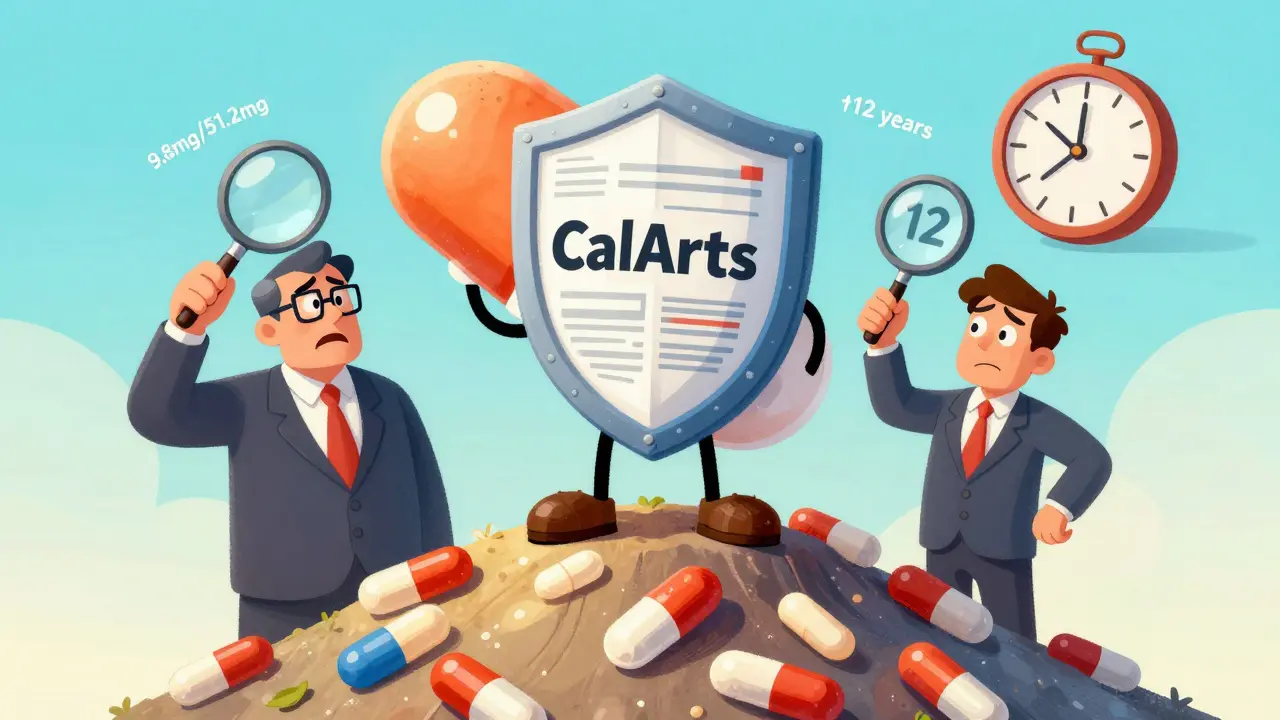
Formulation patents on drug combinations let pharmaceutical companies extend market exclusivity by patenting specific ratios, delivery methods, or dosing regimens-often without clinical improvements. Learn how this strategy works, who benefits, and why it’s under fire.
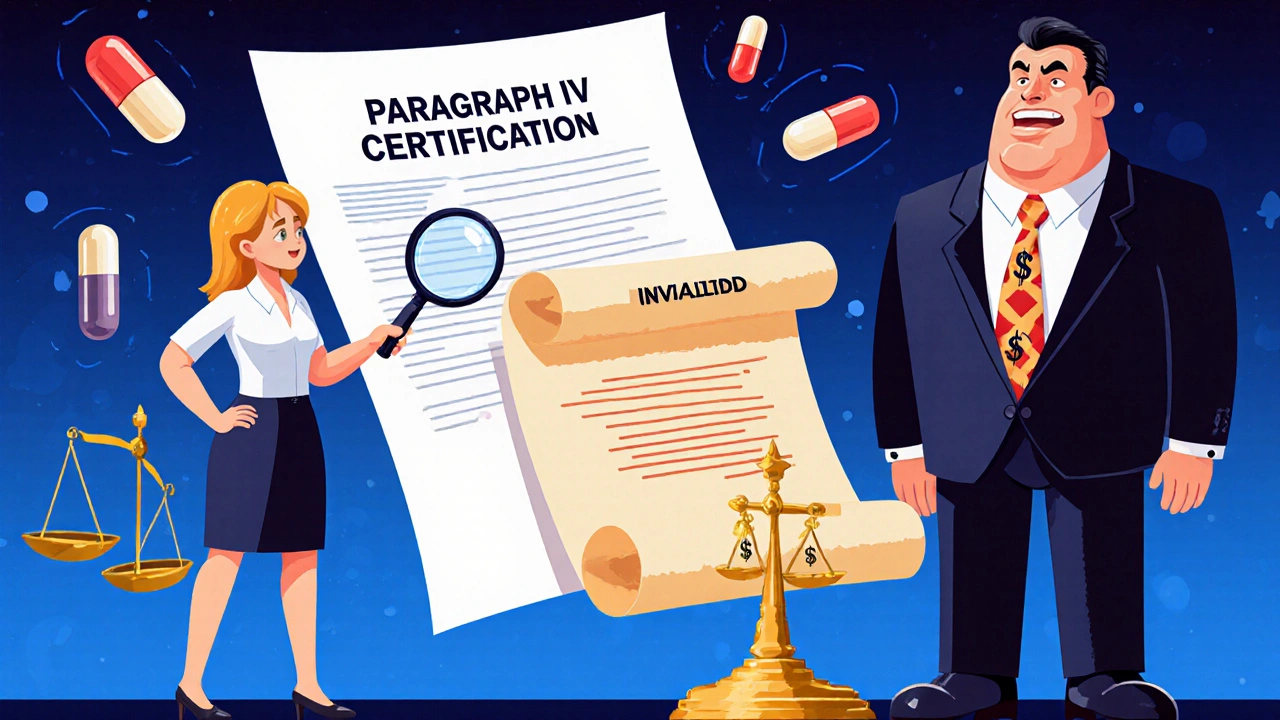
Paragraph IV certifications allow generic drug makers to legally challenge brand-name patents before launch. This Hatch-Waxman Act mechanism has saved over $1.7 trillion since 1984 by accelerating generic entry and rewarding the first challenger with 180 days of exclusivity.