
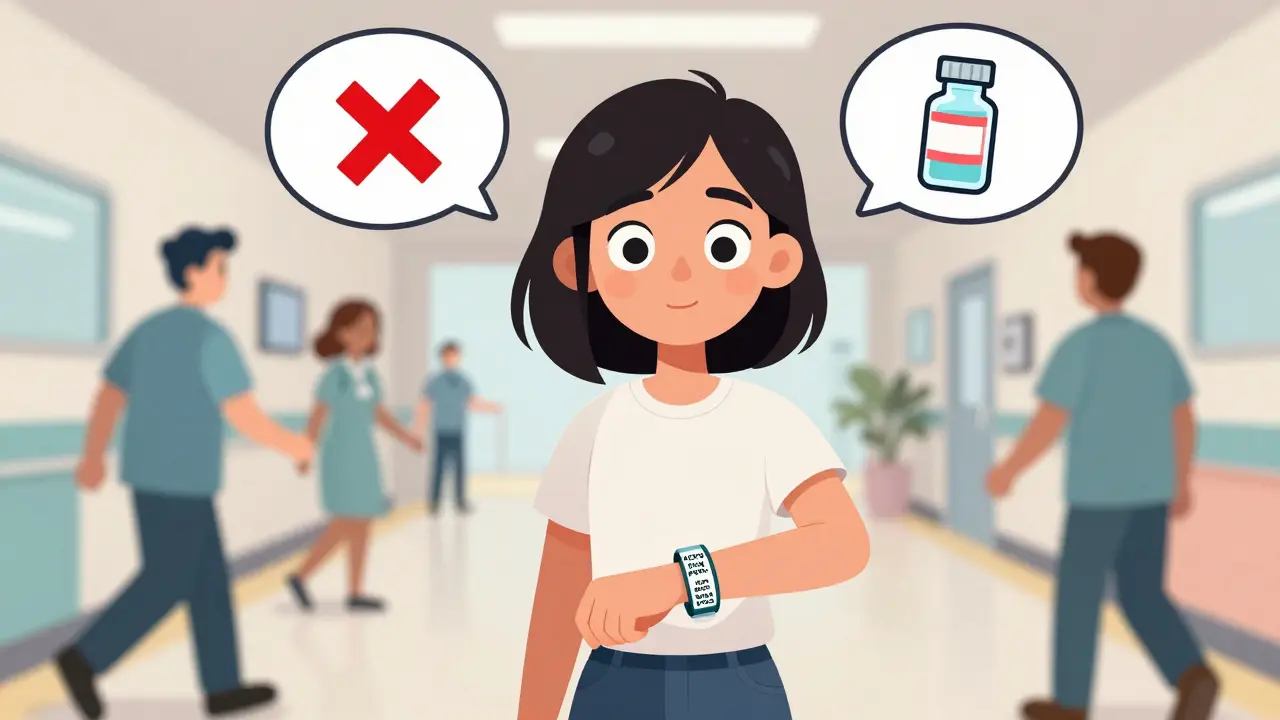
When you have a severe drug allergy, a simple mistake in an emergency room could be life-threatening. Imagine being rushed to the hospital after a reaction, unconscious, unable to speak. The doctors don’t know what you’re allergic to. They reach for a common antibiotic - the one that could stop your heart. That’s why wearing a medical alert bracelet isn’t just a good idea - it’s essential. It’s your voice when you can’t speak.
Why a Medical Alert Bracelet Matters
More than 10% of people in the U.S. have a documented drug allergy. About 4.5 million of them have severe reactions - anaphylaxis - that can kill within minutes. And yet, studies show that nearly 70% of emergency responders check for medical alert jewelry within seconds of arriving at the scene. That’s because they know: if you’re unconscious, your bracelet is your only lifeline. A medical alert bracelet isn’t just jewelry. It’s a Class I medical device approved by the FDA. It’s designed to survive trauma, sweat, water, and years of daily wear. First responders are trained to look at your wrists first. Then your neck. If you’re wearing nothing, they’re guessing. If you’re wearing a bracelet with clear engraving, they’re acting fast - and correctly.What to Engrave on Your Medical Alert Bracelet
Space is limited. You have maybe 20-30 characters to save your life. So you need to be precise. Use standard medical abbreviations so any EMT, nurse, or doctor instantly understands. Here’s what to include:- Your name (first and last - helps if you’re confused or disoriented)
- Primary drug allergy: ALGYS: PCN (for penicillin), ALGYS: SULFA (for sulfa drugs), ALGYS: MORPHINE
- Any other major allergies: ALGYS: CEFALEXIN, ALGYS: NSAIDS
- Emergency medication: EPI PEN (if you carry an epinephrine auto-injector)
- Emergency contacts: ICE: MOM 555-0123, ICE: DAD 555-0145
- Other critical conditions: DIABETIC, ASTHMA, HEART DISEASE
Don’t write out full words. Use abbreviations everyone in emergency medicine recognizes:
- ALGYS = Allergies
- PCN = Penicillin
- CEFA = Cephalosporins
- EPI PEN = Epinephrine auto-injector
- ICE = In Case of Emergency
- NKDA = No Known Drug Allergies (only if you have none)
Example engraving: CELESTE WONG, ALGYS: PCN, SULFA, MORPHINE, EPI PEN, ICE: MOM 555-0123
This fits on a standard 1-inch wide bracelet. It tells responders everything they need in under 10 seconds.
Where to Wear It - And Why
Wear it on your dominant wrist. If you’re right-handed, wear it on your right wrist. That’s where most medical staff check first during trauma assessments. Studies show 95% of responders look at the wrist before the neck. Don’t hide it under a sleeve. Don’t wear it on your ankle - that’s too easy to miss. If you prefer a necklace, make sure it’s worn high on the chest, just below the collarbone. But bracelets are more reliable. In a car crash or fall, your neck might be injured. Your wrist? Still accessible. And wear it 24/7. Not just when you’re going out. Not just when you’re feeling sick. Always. Even when you’re sleeping. A reaction can happen anytime - even during a routine blood draw or dental visit.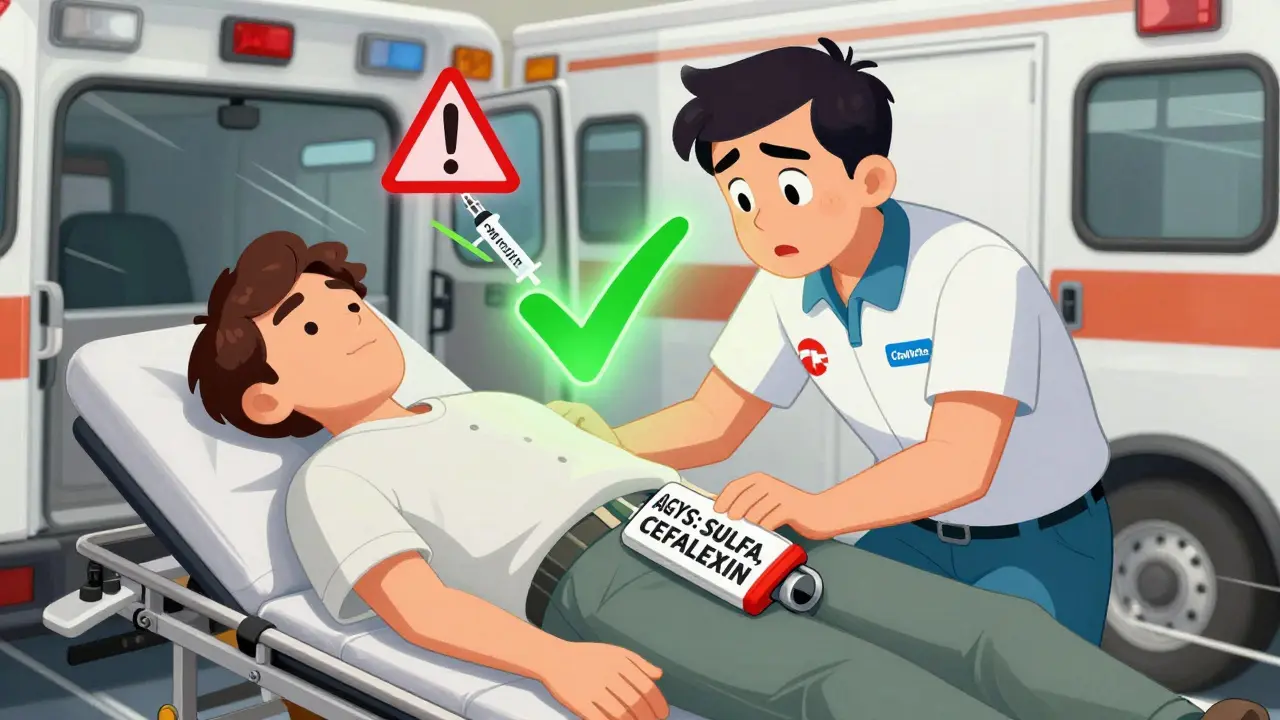
What Material to Choose
Your bracelet must be safe to wear - even during an allergic reaction. Avoid nickel, brass, or cheap alloys. These can cause skin irritation or even trigger reactions in people with metal sensitivities. Stick to:- Surgical-grade stainless steel
- Titanium
- Medical-grade silicone (flexible, hypoallergenic, great for active lifestyles)
Bracelets should be 6-8 inches long and 0.5-1.25 inches wide. Too thin, and the engraving fades. Too thick, and it’s uncomfortable. Silicone bands are great if you work with your hands, exercise, or sweat a lot. Metal is better if you want something that lasts decades.
Don’t Make These Common Mistakes
People think once they get a bracelet, they’re done. But mistakes cost lives.- Using non-standard abbreviations - Writing “Allergic to Amoxicillin” instead of “ALGYS: PCN” confuses staff. Amoxicillin is a penicillin. They need to know the class.
- Not updating it - If you develop a new allergy to ibuprofen, change your bracelet. Outdated info is worse than no info. 33% of emergency errors come from old engraving.
- Wearing it only sometimes - You think you’re safe at home? A reaction can happen during a routine blood test or while you’re asleep.
- Getting a bracelet with no emergency contacts - If you’re unconscious, they need to call someone who knows your history. Always include ICE contacts.
Digital vs. Physical: Which Is Better?
You might have heard about apps, QR codes, or NFC chips. Some bracelets now have them. But here’s the truth: physical engraving is still the gold standard. Why? Because in an emergency, power fails. Phones die. Hospitals don’t always have scanners. Wi-Fi goes down. But a bracelet? It works whether the grid is up or not. Digital features are helpful extras - not replacements. A QR code on your bracelet that links to your full medical profile is great. But if the EMT can’t scan it because your phone’s dead or they don’t have a reader, they’re still stuck. The best approach? Wear a bracelet with clear engraving - and pair it with a digital profile. Companies like MedicAlert and American Medical ID let you store your full history online. First responders can scan your bracelet’s QR code to see your doctor’s notes, past reactions, and medications. It’s a backup - not a replacement.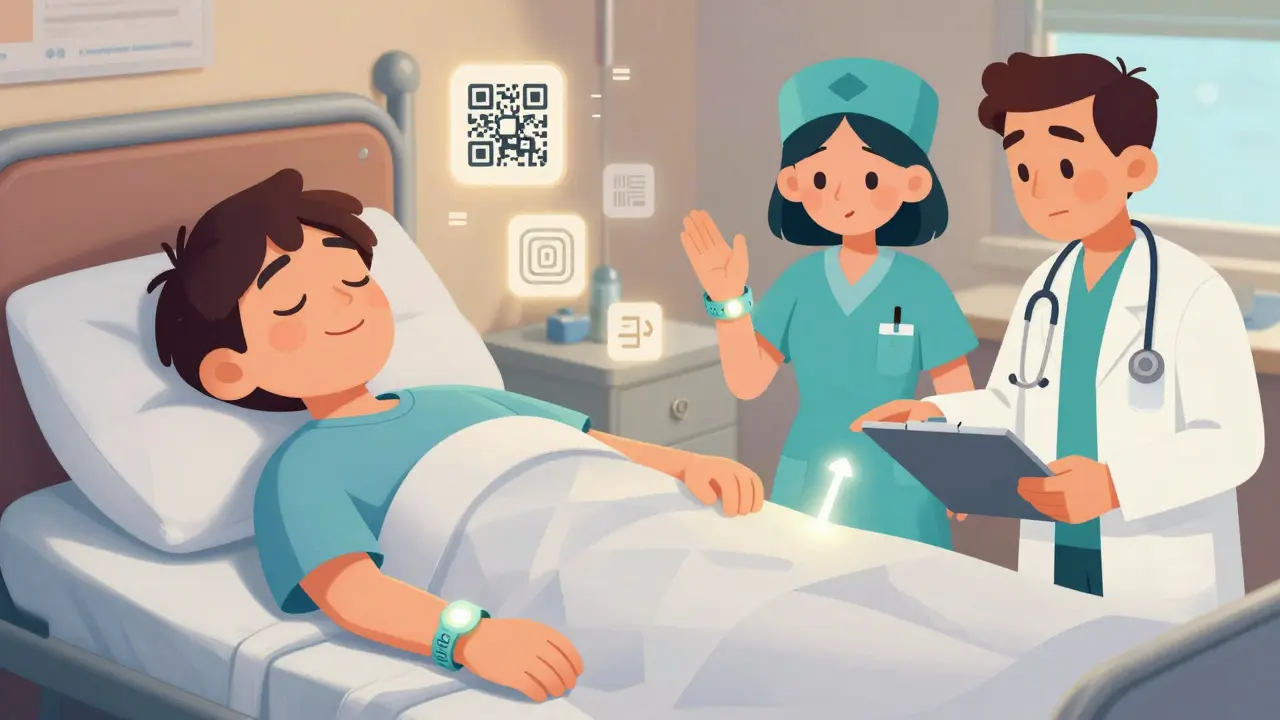
Real Stories - Why This Works
In March 2024, a man in Arizona went into cardiac arrest after surgery. He was unconscious. The ER team was about to give him a common antibiotic - penicillin. Then they saw his bracelet: ALGYS: PCN, EPI PEN. They stopped. They switched antibiotics. He survived. Another case: a 42-year-old woman in Minnesota with a cephalosporin allergy collapsed from low blood sugar. She was confused. The nurse almost gave her a cephalosporin-based antibiotic for a suspected infection. Her bracelet said ALGYS: CEPHALOSPORIN. They caught it. She recovered. These aren’t rare. They’re common. And they happen because someone wore a bracelet.How to Get One
You don’t need a prescription. You can buy one online from trusted brands like:- MedicAlert Foundation (founded in 1956 - trusted by hospitals nationwide)
- Lauren’s Hope (known for clear engraving and silicone options)
- American Medical ID (offers NFC and QR code upgrades)
Costs range from $20 to $70. Some insurance plans cover them if you have a documented anaphylaxis history. Ask your allergist. Many provide discount codes.
Order it. Wait 5-7 days. Wear it the day it arrives. Don’t delay.
What to Do After You Get It
Getting the bracelet is step one. Here’s what to do next:- Wear it every single day - no exceptions.
- Teach your family, partner, and close friends what it says. They might need to explain it if you’re not conscious.
- Update it if your allergies change - even slightly.
- Register it with a digital profile (if your brand offers it).
- Carry your epinephrine auto-injector - always. The bracelet tells them what to avoid. Your EpiPen tells them what to give.
It’s not about fear. It’s about control. You can’t always prevent a reaction. But you can make sure, if it happens, the people helping you know exactly what to do.



Ashley Porter
Just got my silicone MedicAlert last week. Wore it to the dentist yesterday. The hygienist asked about it-said she’s seen too many cases where people didn’t have one. Feels weird at first, but now I forget it’s even there. That’s the goal, right?