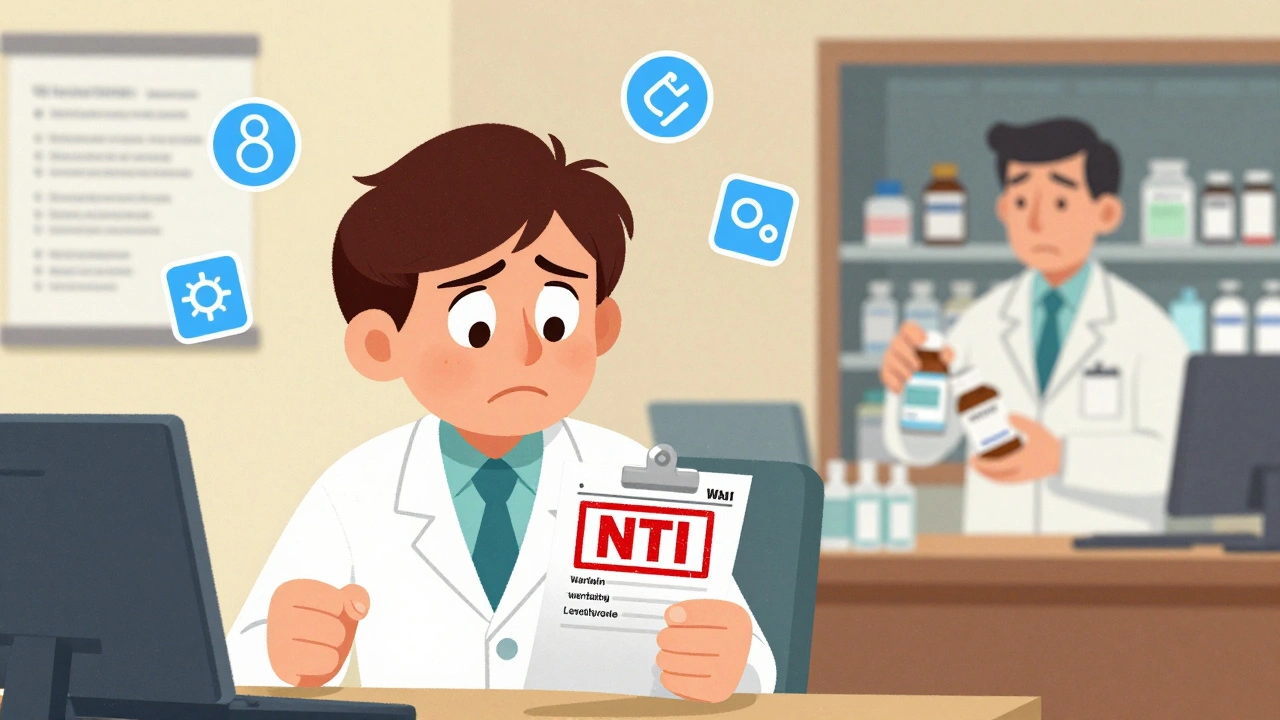
NTI Drugs: What They Are, Why They Matter, and What You Need to Know
When a drug has a narrow therapeutic index, a small difference in dose can lead to serious toxicity or treatment failure. Also known as NTI drugs, these medications require precise dosing because the gap between a helpful dose and a dangerous one is razor-thin. Think of it like walking a tightrope—one step too far and things go wrong fast. Drugs like warfarin, levothyroxine, phenytoin, and cyclosporine fall into this category. They’re not rare; they’re essential. But they’re also where mistakes happen, and where patient safety hangs in the balance.
That’s why switching from a brand-name NTI drug to a generic isn’t as simple as swapping one pill for another. The FDA requires generics for NTI drugs to meet stricter bioequivalence standards than regular drugs. While most generics just need to match the brand within 80–125% of the original absorption rate, NTI generics must stay within a tighter 90–111% range. Why? Because even a 10% drop in blood levels of warfarin could mean a clot forms. A 10% spike could cause dangerous bleeding. This isn’t theory—it’s why some patients have seizures, strokes, or organ rejection after an unmonitored switch.
And it’s not just about the pill. Your body, your other meds, your diet, even your gut health can shift how an NTI drug works. A patient on levothyroxine who switches brands and suddenly feels tired? It might not be in their head—it’s in their thyroid levels. That’s why doctors often stick with one brand for these drugs, or test blood levels closely after any change. Generic manufacturers know this. That’s why Paragraph IV certifications and ANDA processes for NTI drugs are handled with extra scrutiny. Even authorized generics, which are made by the brand company itself, must follow these tighter rules.
What you’ll find in the posts below aren’t just articles about drugs—they’re stories about safety, regulation, and real-world consequences. You’ll read about how black box warnings tie into NTI drug risks, why patient perception affects outcomes even when the chemistry is identical, and how legal battles over patent challenges impact who gets access to these life-critical medicines. This isn’t abstract pharmacy talk. It’s about the difference between feeling normal and ending up in the ER. If you or someone you care about takes an NTI drug, this collection gives you the facts you need to ask the right questions and stay in control.
Prescribers have deep concerns about substituting generic versions of narrow therapeutic index (NTI) drugs due to small changes in blood levels that can cause serious harm. Despite FDA assurances, real-world data shows substitution risks, communication gaps, and persistent brand use among doctors.
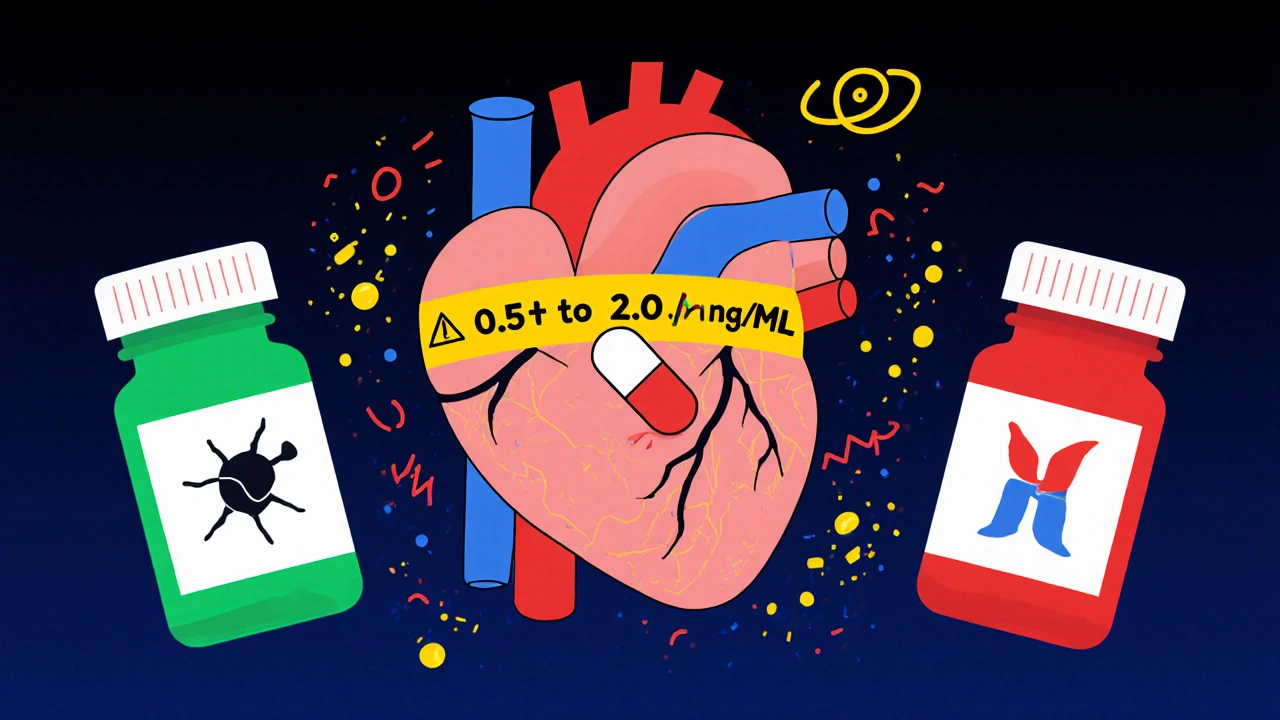
Digoxin generics can be dangerous if bioavailability varies between brands. Even FDA-approved switches may cause toxicity or treatment failure. Learn why consistent use and regular blood monitoring are critical for safety.