Medication Safety: Protect Yourself from Dangerous Interactions, Errors, and Side Effects
When you take a medication, you’re trusting a system that’s designed to help—but also one that can quietly put you at risk. Medication safety, the practice of using drugs correctly to avoid harm while maximizing benefit. It’s not just about following the label. It’s about knowing when a generic switch could be dangerous, why some drugs carry black box warnings, the FDA’s strongest alert for life-threatening risks, and how tiny differences in blood levels can turn a safe drug into a threat. Many people assume all generics are interchangeable, but that’s not true. For drugs with a narrow therapeutic index (NTI), medications where even small changes in blood concentration can cause serious harm or treatment failure, like digoxin or warfarin, switching brands without monitoring can lead to overdose or ineffective treatment.
Even if your doctor says a generic is fine, your body might not agree. The therapeutic equivalence, the FDA’s rating system that tells pharmacists which generics can safely replace brand drugs isn’t foolproof. Some patients report worse side effects after switching—not because the drug changed, but because their brain expected it to. That’s the nocebo effect, when negative beliefs about a drug trigger real physical symptoms. And then there are the hidden dangers: SSRIs, common antidepressants that can impair platelet function and increase bleeding risk, or clozapine, a powerful antipsychotic that used to require strict monthly blood tests, but now has looser rules. These aren’t edge cases—they’re real, documented risks that affect thousands.
Medication safety isn’t just for people on complex regimens. It matters if you split pills to save money, take over-the-counter sleep aids, or use blood thinners before a dental cleaning. The posts below cover exactly these situations: what pills you can safely split, which generics to question, how to read a black box warning, why some drugs demand constant monitoring, and how to avoid side effects that aren’t even from the drug itself. You’ll find clear, practical advice—not theory, not fluff—just what you need to stay safe before, during, and after your next prescription.
High-risk medications like IV insulin, heparin, and chemotherapy require independent double checks to prevent deadly errors. Learn which drugs need extra verification, how the process works, and why technology is now replacing manual checks in many hospitals.
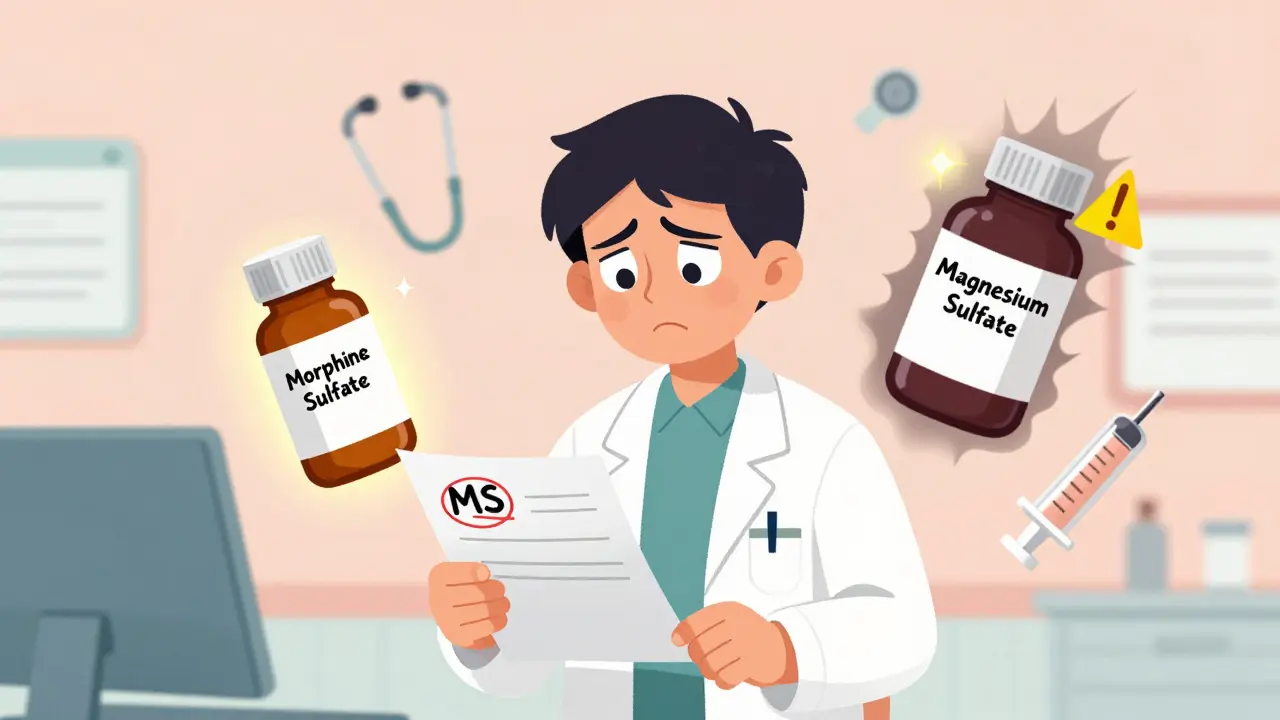
Dangerous medical abbreviations like QD, U, and MS cause preventable deaths. Learn which ones to avoid, why they’re deadly, and how hospitals are finally fixing them.
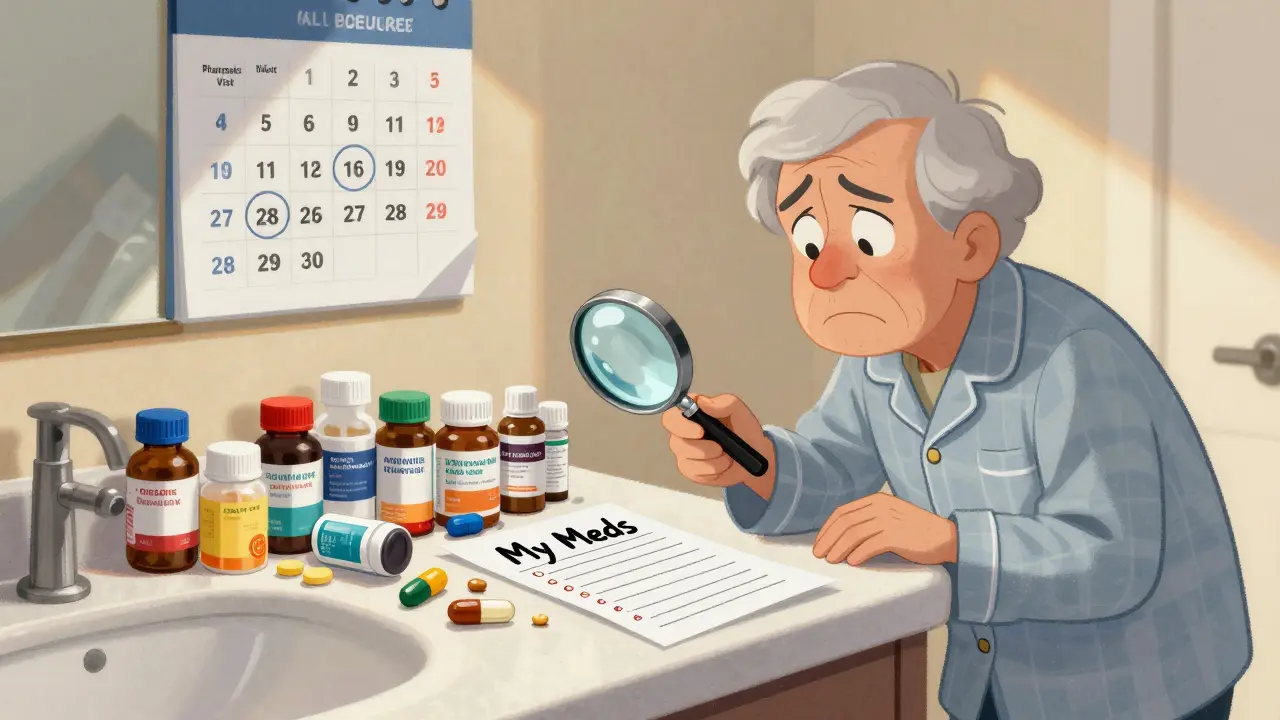
Polypharmacy-taking five or more medications-increases the risk of dangerous drug interactions, falls, and hospitalizations. Learn how to spot high-risk combos using the Beers Criteria and a simple checklist to protect your health.
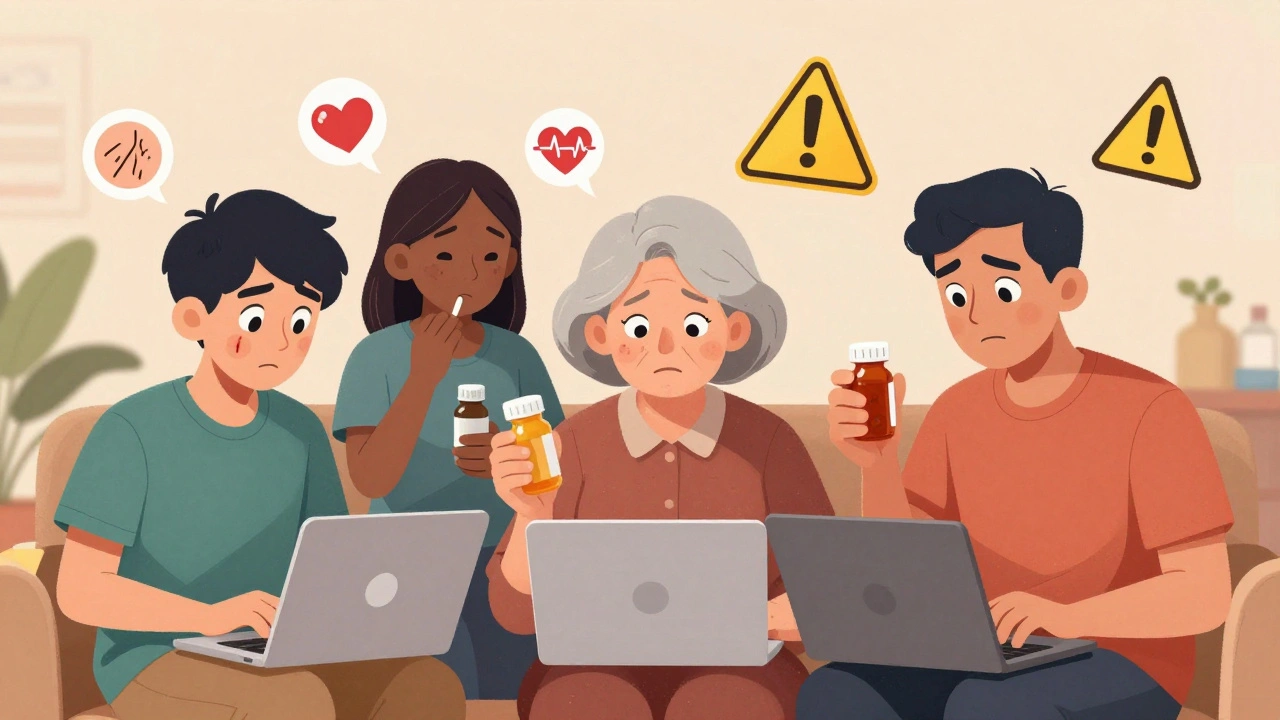
Learn how to report medication side effects to the FDA using MedWatch. Step-by-step guide for patients, caregivers, and healthcare providers on submitting adverse event reports to improve drug safety.