Generic Substitution: What It Is, How It Works, and When It Matters
When you pick up a prescription, the pharmacist might hand you a different pill than what your doctor wrote—that’s generic substitution, the practice of replacing a brand-name drug with a chemically identical generic version approved by the FDA. Also known as therapeutic substitution, it’s not a loophole—it’s a system built into U.S. drug law to save billions without sacrificing safety. This isn’t just about price. It’s about whether your body reacts the same way to a pill made by a different company. The FDA doesn’t just say "it’s the same"—they require proof.
That proof comes from Therapeutic Equivalence Codes, a rating system in the FDA’s Orange Book that tells pharmacists which generics can be swapped without risk. Also known as TE codes, these letters—like AB1, BX, or AE—tell you if a generic is bioequivalent to the brand. An AB rating means the generic performs the same in your body. An AX rating? Don’t swap it. That’s why digoxin generics are tricky: even small differences in how the drug is absorbed can cause toxicity or treatment failure in patients with heart conditions. Then there’s the FDA Orange Book, the official public database that lists all approved drugs and their therapeutic equivalence ratings. Also known as the Orange Book, it’s the rulebook pharmacists use every day to decide what to dispense. But here’s the catch: just because two pills have the same active ingredient doesn’t mean patients feel the same. Many people report side effects after switching to a generic—even when the drug is chemically identical. That’s the nocebo effect, when negative expectations lead to real physical symptoms. Also known as negative placebo effect, it’s why some patients swear their generic version doesn’t work as well, even when studies show otherwise.
Not all drugs are safe to swap. Drugs with a narrow therapeutic index—like warfarin, lithium, or levothyroxine—need extra care. Even tiny changes in blood levels can cause harm. That’s why some doctors write "dispense as written" on prescriptions. But for most medications—antibiotics, blood pressure pills, antidepressants—generic substitution is not just safe, it’s standard. The system works because of legal tools like the Hatch-Waxman Act, the 1984 law that created the ANDA pathway for generic approval. Also known as Drug Price Competition and Patent Term Restoration Act, it let generics enter the market faster by letting them rely on the brand’s safety data instead of redoing all the clinical trials. And it’s working: since 1984, generics have saved the U.S. healthcare system over $1.7 trillion.
What you’ll find here are real stories, hard facts, and practical warnings about generic substitution. From how TE codes are assigned, to why authorized generics cost less than brand-name drugs, to why clozapine and digoxin demand extra caution—this collection cuts through the noise. You’ll learn when switching is smart, when it’s risky, and how to talk to your pharmacist or doctor about it. No fluff. Just what you need to know to make sure your medication works the way it should—whether it’s in a branded box or a plain bottle.
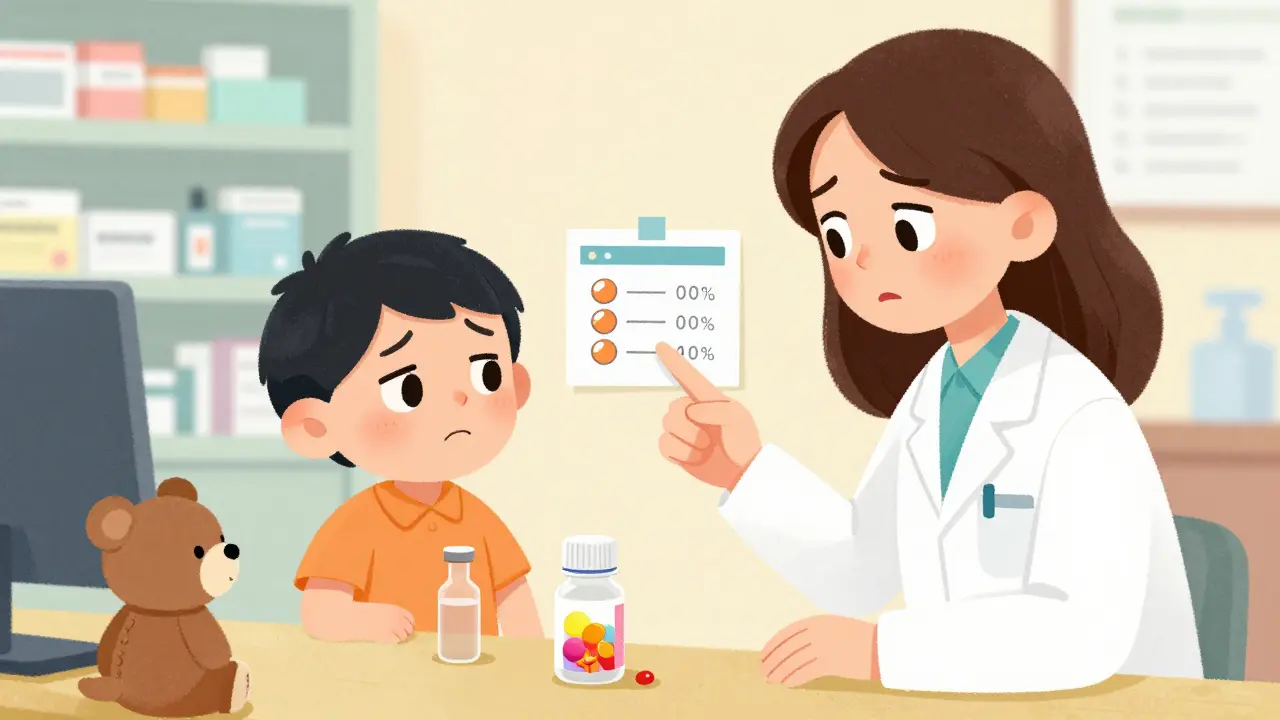
Learn how to explain generic drug substitutions to children and seniors without causing confusion or reducing adherence. Discover why formulation differences matter, what to say (and what not to say), and how to prevent medication errors.
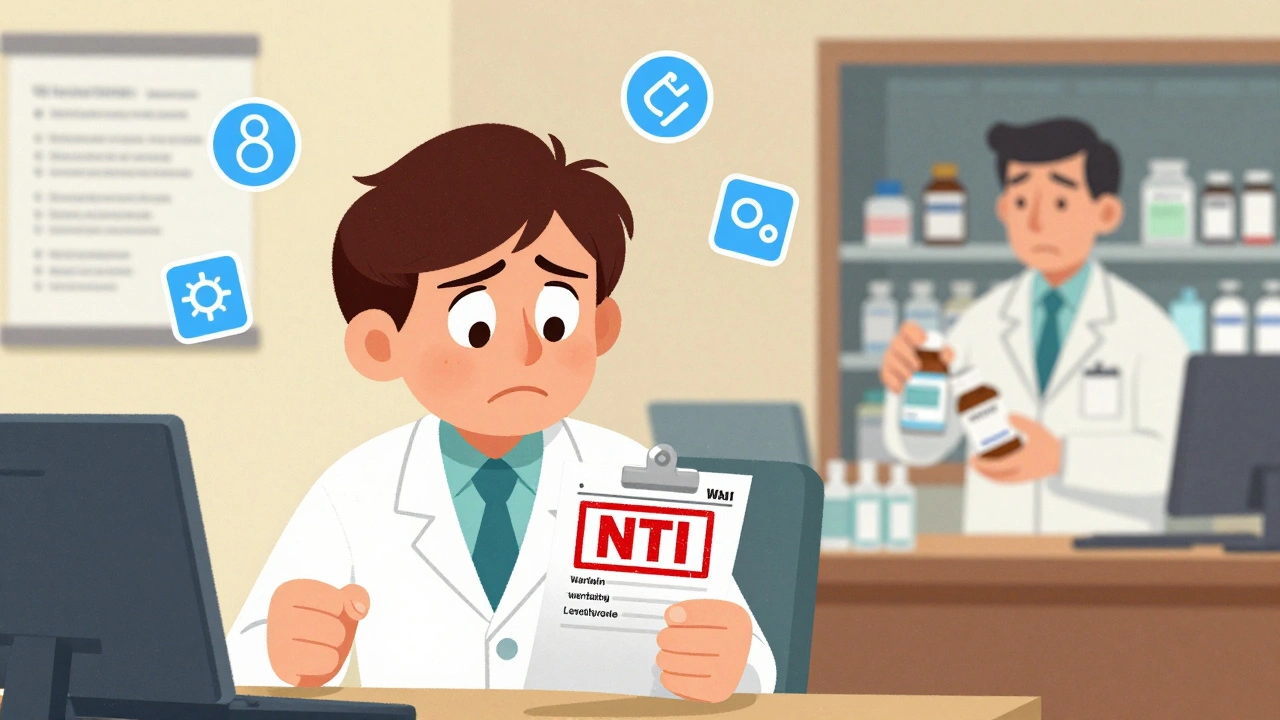
Prescribers have deep concerns about substituting generic versions of narrow therapeutic index (NTI) drugs due to small changes in blood levels that can cause serious harm. Despite FDA assurances, real-world data shows substitution risks, communication gaps, and persistent brand use among doctors.