
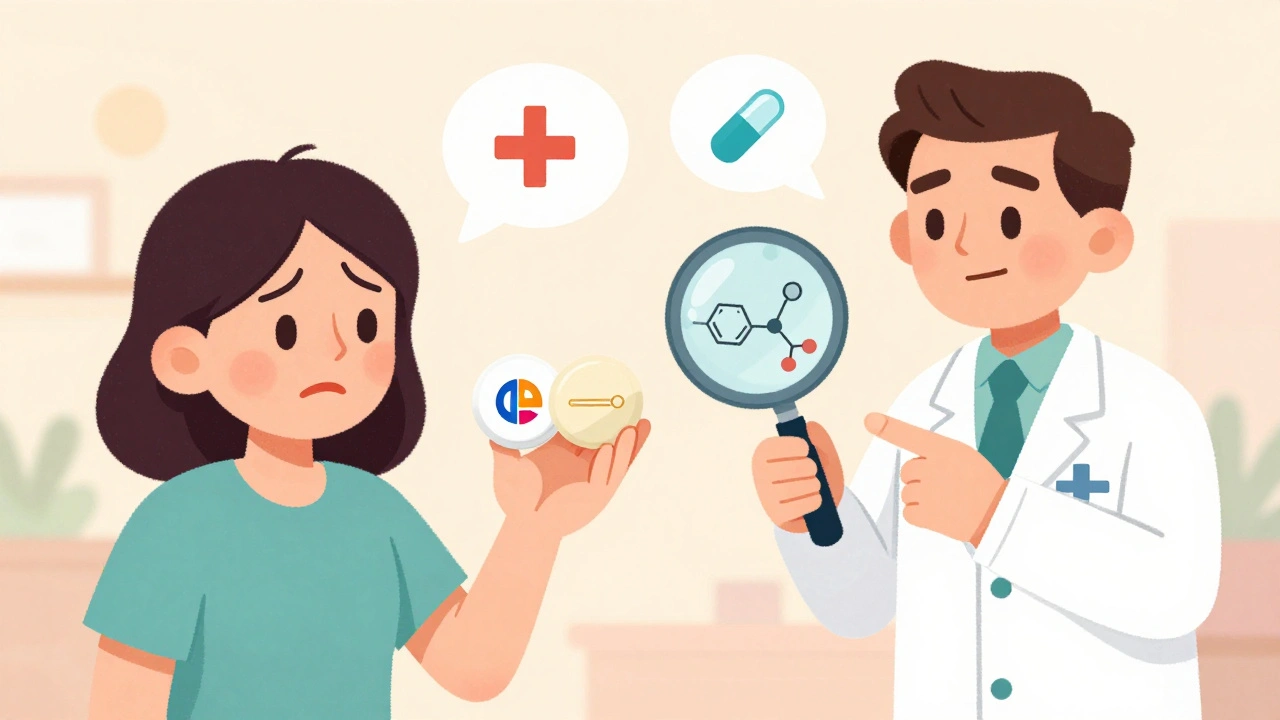
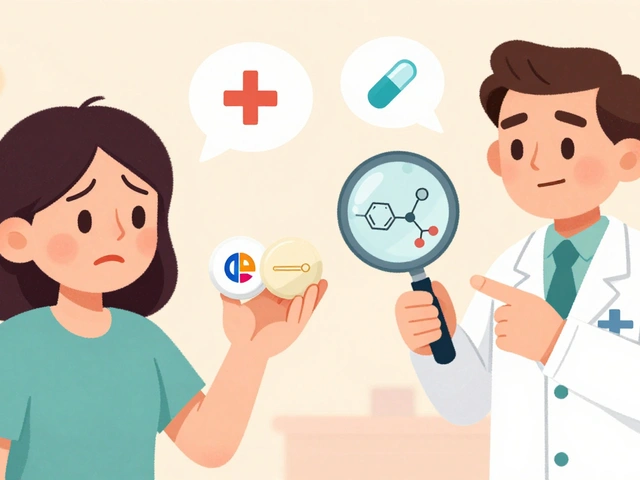
Have you ever picked up your prescription and thought, "This isn’t the same pill I’ve been taking"? The color’s off. The shape’s different. The imprint doesn’t match. You panic-did they give you the wrong medicine? Or worse, is it fake?
Chances are, you got an authorized generic. And yes, it’s completely legal. And yes, it’s exactly the same drug inside. But it looks different. And that’s not a mistake-it’s the law.
What Exactly Is an Authorized Generic?
An authorized generic is the brand-name drug, but without the brand name on the label. It’s made by the same company, in the same factory, using the exact same ingredients, down to the last milligram. The FDA defines it clearly: it’s identical to the brand-name version except for the packaging and labeling.
For example, if you take the brand-name drug ProAir HFA for asthma, your authorized generic might be labeled simply as "albuterol sulfate inhalation aerosol." Same canister. Same dose. Same active ingredient. Same everything-except the logo on the side.
These aren’t regular generics. Regular generics go through a separate approval process (ANDA) and can change inactive ingredients like dyes, fillers, or binders. Authorized generics don’t. They’re copied straight from the original New Drug Application (NDA), meaning they’re pharmacologically identical.
Why Do They Look Different If They’re the Same?
Here’s the catch: U.S. trademark law says no two drugs can look exactly alike-even if they’re made by the same company.
Think about it: if two pills looked identical, but one was labeled "ProAir" and the other "albuterol," a patient or pharmacist could mix them up. That’s dangerous. So the FDA requires visual differences to prevent confusion. It’s not about making the drug cheaper or better. It’s about safety.
According to FDA analysis from 2023, 76.4% of authorized generics have a different color than the brand-name version. Nearly 9 out of 10 (89.2%) have different imprints or markings. That’s not random. Manufacturers tweak the dye concentration by tiny amounts-sometimes less than 0.05%-or change the shape of the imprint to meet trademark rules, without touching the active ingredient.
It’s a legal loophole turned into a safety feature. The brand-name company owns the trademark for that specific look. So even though they’re making the authorized generic, they have to change the appearance to avoid violating their own trademark.
Authorized Generics vs. Regular Generics: What’s the Real Difference?
Let’s break it down:
- Brand-name drug: Original formula. Unique color, shape, imprint. Highest price. Average $478 for a 30-day supply.
- Authorized generic: Same formula, same factory, same inactive ingredients. Different color/imprint. Costs about 28.7% less-around $341.
- Regular generic: Same active ingredient, but may have different fillers, dyes, or binders. Different appearance almost always. Costs 42.3% less-around $276.
The big difference? Inactive ingredients. Regular generics can swap out cornstarch for lactose, or change the dye from red to blue. That’s fine for most people. But for about 4.7% of patients-those with allergies or sensitivities to certain fillers-those small changes can cause reactions. That’s where authorized generics shine. They eliminate that risk entirely.
Take a patient with a severe soy allergy. If their regular albuterol generic uses soy-based oil as a binder, it could trigger a reaction. The authorized generic? Same as the brand-no soy. No risk.
Why Aren’t All Drugs Available as Authorized Generics?
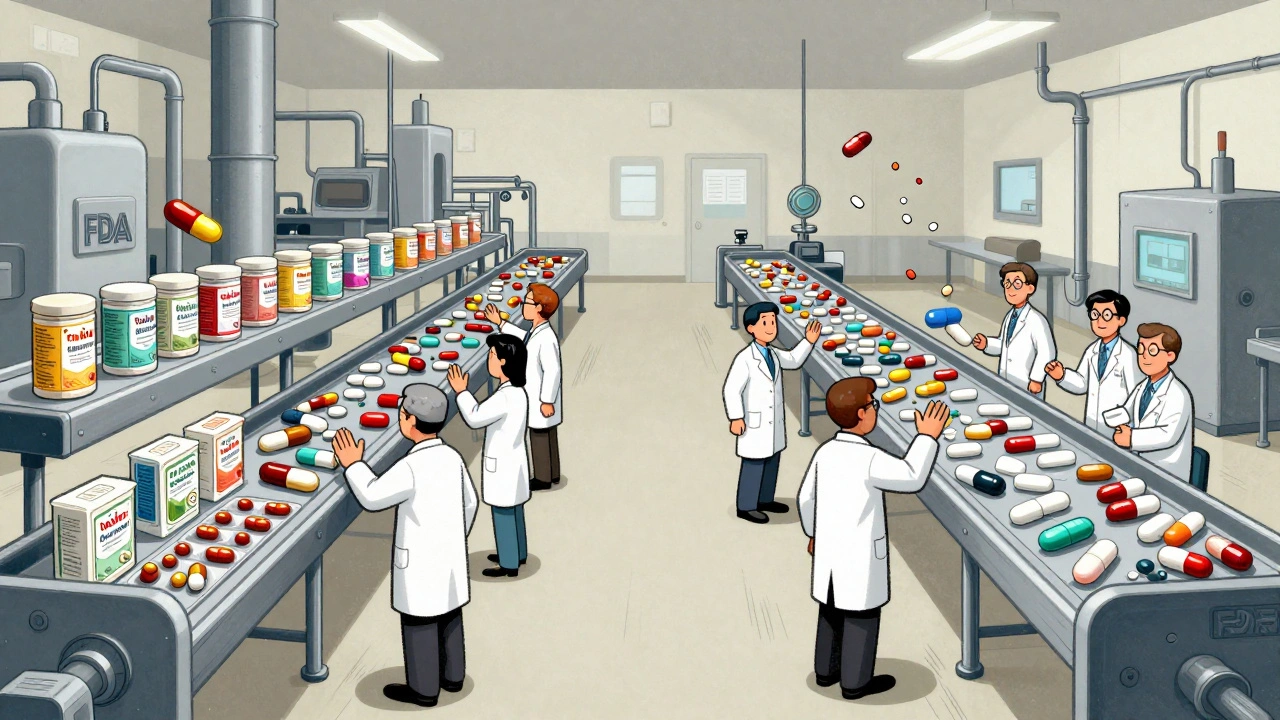
Only 38.4% of brand-name drugs with generic competition have an authorized generic version. Why?
Because the brand-name company has to decide to make one. And sometimes, they don’t want to. If they’re still making good money off the brand-name version, why offer a cheaper version of it? Especially when the authorized generic could steal sales from their own brand.
In 18.3% of cases, the authorized generic costs less than 10% less than the brand-name drug-so there’s little incentive for patients to switch. That’s not a price cut. That’s a sticker change.
Also, manufacturing authorized generics requires coordination between the brand company and its generic division (or a partner). Not every company has the infrastructure-or the willingness-to run two parallel lines for the same drug.
What Do Patients Really Think?
Surveys and patient forums tell a clear story: confusion is common.
On Reddit’s r/pharmacy, 68.3% of users said they initially thought their authorized generic was a mistake or a counterfeit. But once they understood it was the same drug inside, 92.4% were happy with it.
GoodRx data shows 74.6% of reviews praise authorized generics for not causing allergic reactions. But 25.4% of negative reviews say: "I don’t trust it because it looks different."
Pharmacists report spending an extra 1.7 minutes per prescription explaining this difference. That’s time they could be helping other patients. That’s why pharmacies like CVS and Walgreens now use visual comparison charts and standardized scripts: "This is the same medicine, just a different look. Same ingredients. Same effect."
What’s Changing in 2025 and Beyond?
The FDA is planning a major update: starting in 2025, authorized generics will be listed in the Orange Book-the official database of approved drugs. Right now, they’re not listed there at all. That means pharmacists, doctors, and patients won’t have to dig through obscure documents to confirm they’re legitimate.
Pharmaceutical companies are also listening. Pfizer launched an "appearance continuity" program in early 2023 for 12 of its drugs. Instead of changing the shape or imprint, they’re keeping the pill the same and only altering the color-minimizing confusion while still meeting legal requirements.
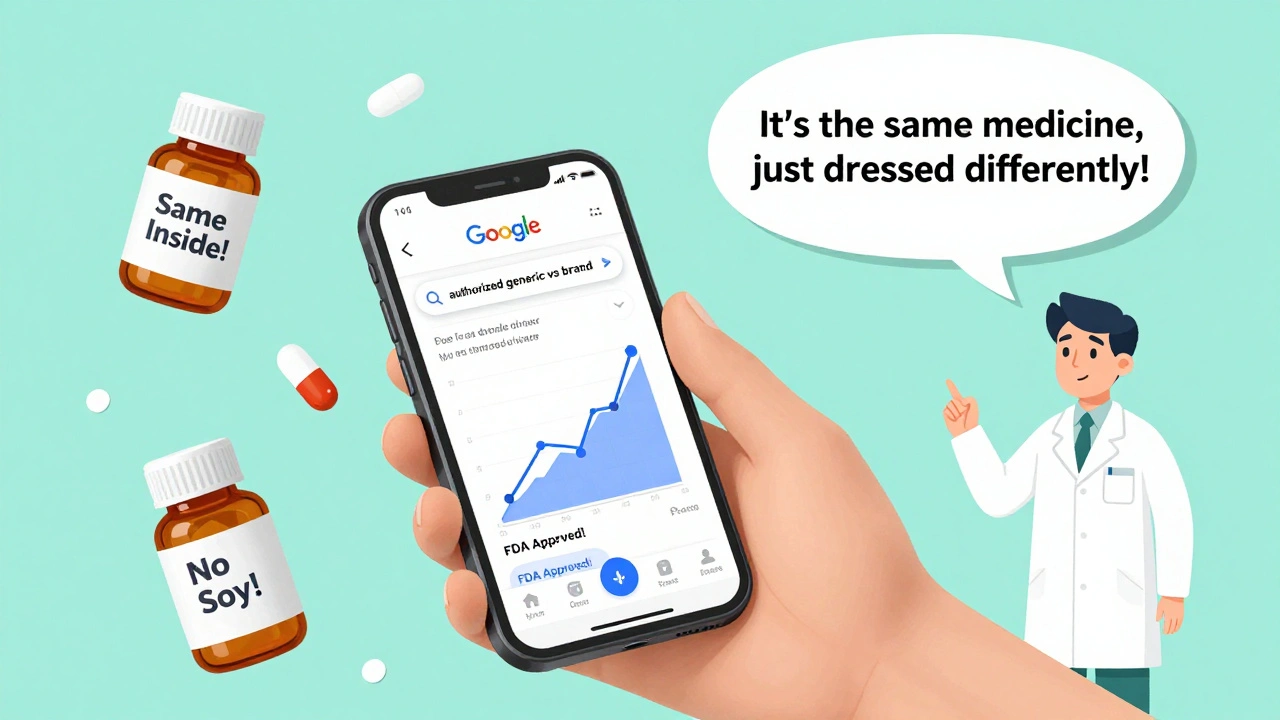
Meanwhile, Google searches for "authorized generic vs brand" have jumped 187% since 2020. People are learning. They’re asking questions. And they’re demanding transparency.
What Should You Do If Your Medication Looks Different?
Don’t panic. Don’t stop taking it. Do this:
- Check the label. Does it say "authorized generic" or just the generic name? That’s your clue.
- Compare the active ingredient. It should match exactly what’s on your old bottle.
- Ask your pharmacist: "Is this an authorized generic?" They’ll know.
- If you’re worried about side effects, ask: "Does this have the same inactive ingredients as my brand-name drug?" If yes, you’re safe.
If your insurance won’t cover the authorized generic because they think it’s "not the same," show them the FDA’s definition. It’s legally identical.
The Bottom Line
An authorized generic isn’t a knockoff. It’s not a downgrade. It’s the same drug, legally repackaged to follow trademark rules. It’s often cheaper than the brand, and safer than a regular generic if you’re sensitive to fillers or dyes.
The appearance difference isn’t a flaw. It’s a feature-designed to keep you safe.
Next time you get a pill that looks unfamiliar, don’t assume the worst. Ask. Learn. Know that inside that different-colored capsule is the exact same medicine you’ve trusted all along.




Casey Mellish
Just had my albuterol switch to an authorized generic last month. Looked like a different planet at first-bright blue instead of green. Panicked, called my pharmacist. They showed me the FDA docs and the identical active ingredient list. No more asthma flare-ups. Same exact puff. If you’re scared of the look, just check the label. It’s not a scam, it’s science.