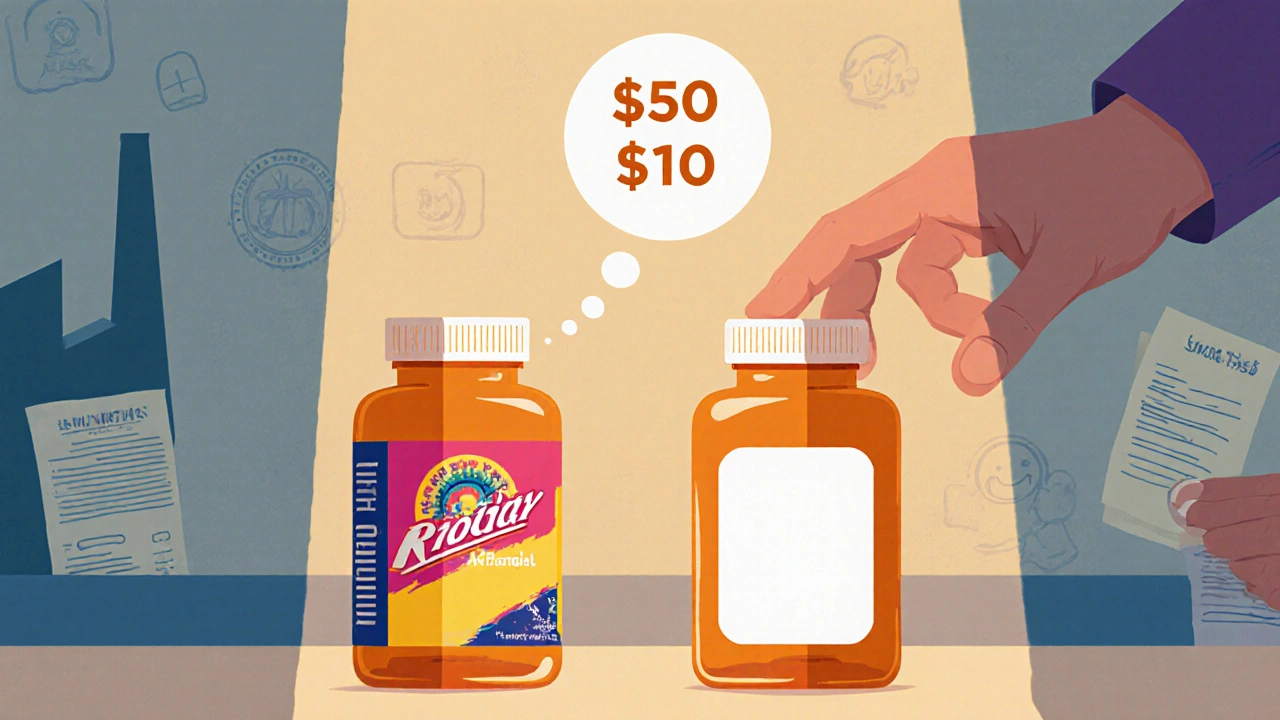
Generic Drugs: What They Are, How They Work, and Why They Matter
When you hear generic drugs, lower-cost versions of brand-name medications that contain the same active ingredients and work the same way in the body. Also known as non-branded drugs, they make up over 90% of prescriptions filled in the U.S. and are just as safe and effective as their name-brand counterparts. Yet many people still worry they’re getting less — a myth fueled by confusion, not science.
The system that lets generic drugs exist was built by the Hatch-Waxman Act, a 1984 law designed to balance innovation with affordability by letting generic manufacturers enter the market after patents expire. To get approval, companies must submit an ANDA, an Abbreviated New Drug Application that proves their product is bioequivalent to the brand-name drug — meaning it delivers the same amount of active ingredient at the same rate. No need to repeat expensive clinical trials. Just show the body absorbs and uses the drug the same way. That’s it. The FDA doesn’t treat them as second-rate. They’re held to the same strict manufacturing standards.
But here’s where things get messy. Not all generics are created equal in the eyes of patients — or the market. Authorized generics, the exact same drug as the brand, sold under a different label by the brand company itself. These are legal, but they undercut independent generic makers during their 180-day exclusivity window, crushing competition before it even starts. That’s why some generic prices don’t drop as much as you’d expect. And why some patients report side effects after switching — not because the drug changed, but because their brain expected it to.
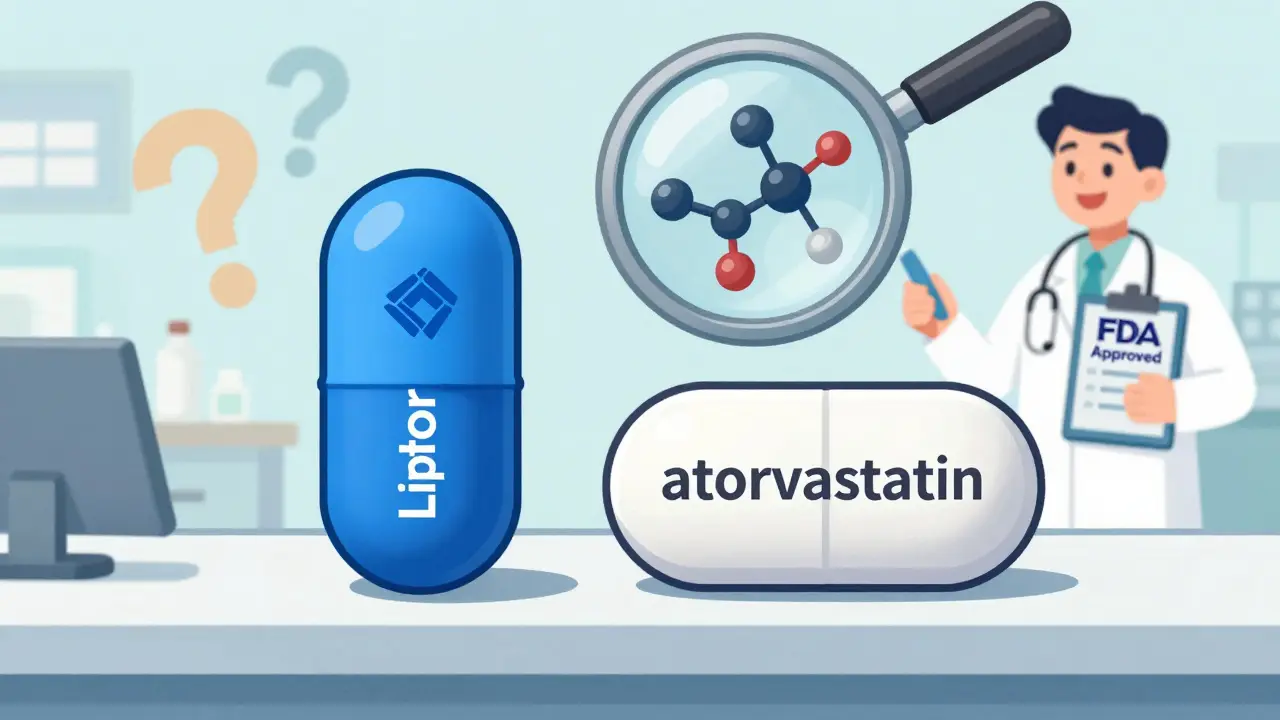
There’s no magic formula for why one generic works better than another for you. It’s not chemistry. It’s perception. Your body doesn’t care if the pill says "Lipitor" or "atorvastatin." But your mind might. That’s why doctors and pharmacists need to talk about this — not just hand you a new bottle and assume you’re fine.
What you’ll find below is a collection of real stories, legal loopholes, and science-backed facts about how generic drugs move through the system — from the FDA’s approval labs to your medicine cabinet. You’ll learn how patent battles affect your prescription cost, why some generics carry hidden risks, and how to spot when a switch is truly safe. These aren’t theoretical debates. These are decisions that affect your wallet, your health, and your trust in the system.
Generic drugs are just as effective as brand-name drugs, with identical active ingredients and FDA-mandated therapeutic equivalence. The main differences are cost and appearance - not safety or performance.
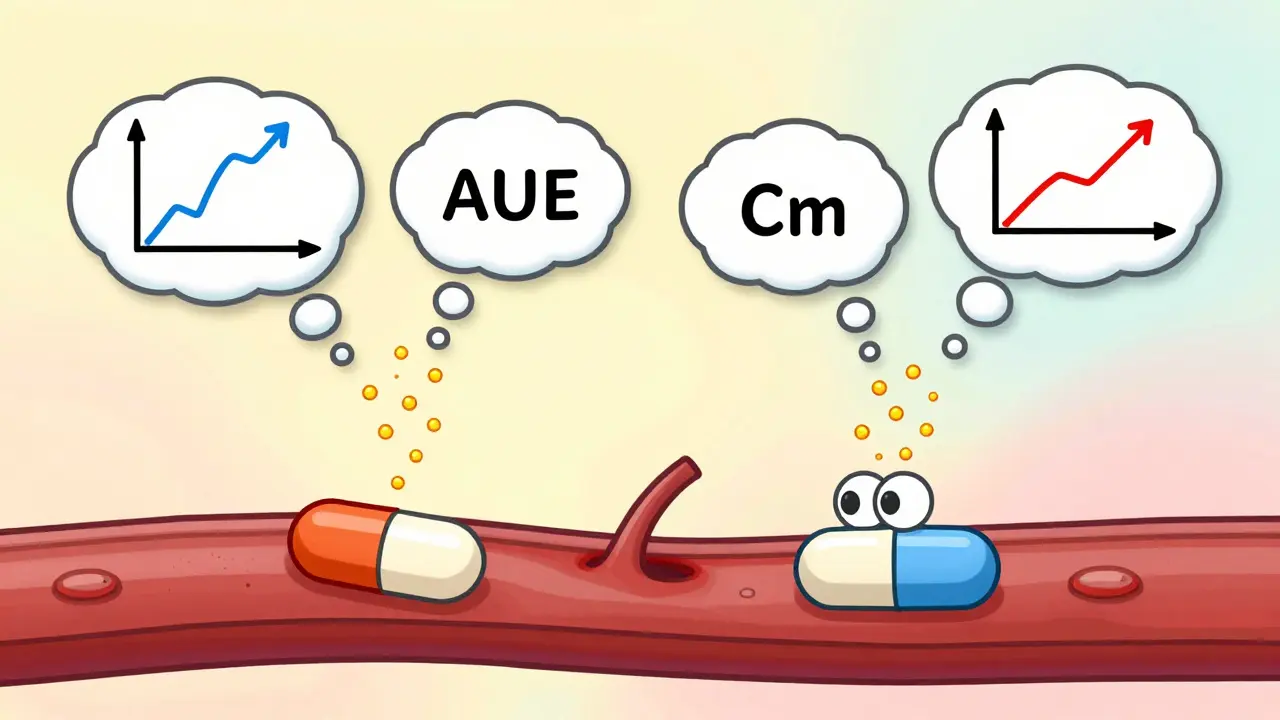
Bioequivalent medications are generic drugs proven to work the same as brand-name versions in your body. Learn how regulators test them, why they're safe, and when to watch for differences.
Understanding the unique challenges in testing bioequivalence for combination products like fixed-dose combos and drug-device systems. Learn why generic versions take longer to approve and the latest regulatory solutions.
Real-world insights from providers on generic medications: when they work, when they don’t, and how to navigate substitutions safely. Based on FDA data, clinical studies, and frontline experience.
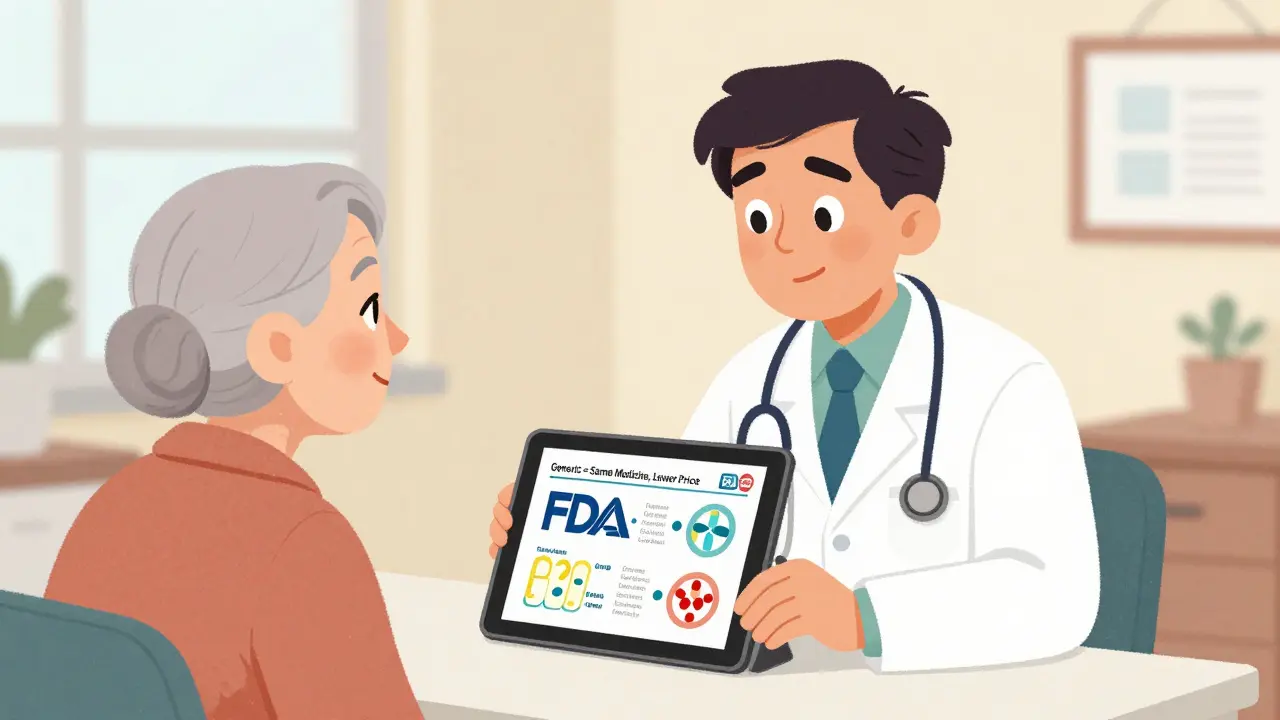
Doctors need clear, practical guides to confidently prescribe generic medications. Learn how FDA resources, real-world data, and simple patient conversations can improve adherence, cut costs, and build trust.
Bioequivalence testing ensures generic drugs perform the same as brand-name versions. Learn how this science protects patient safety, saves billions, and keeps millions of people on affordable, effective medication.
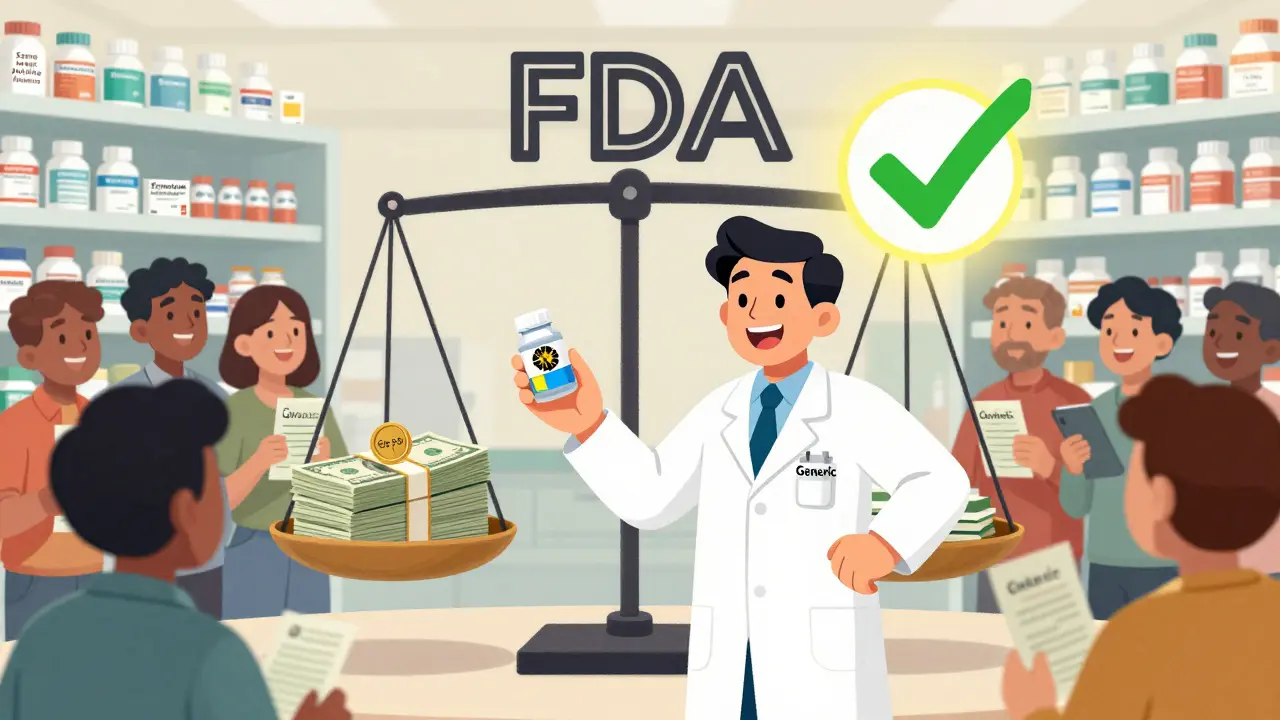
Generic drugs save up to 85% on prescription costs and are just as safe and effective as brand-name versions. Learn how the FDA ensures they work the same, when to stick with brand-name, and why 90% of prescriptions are now generic.
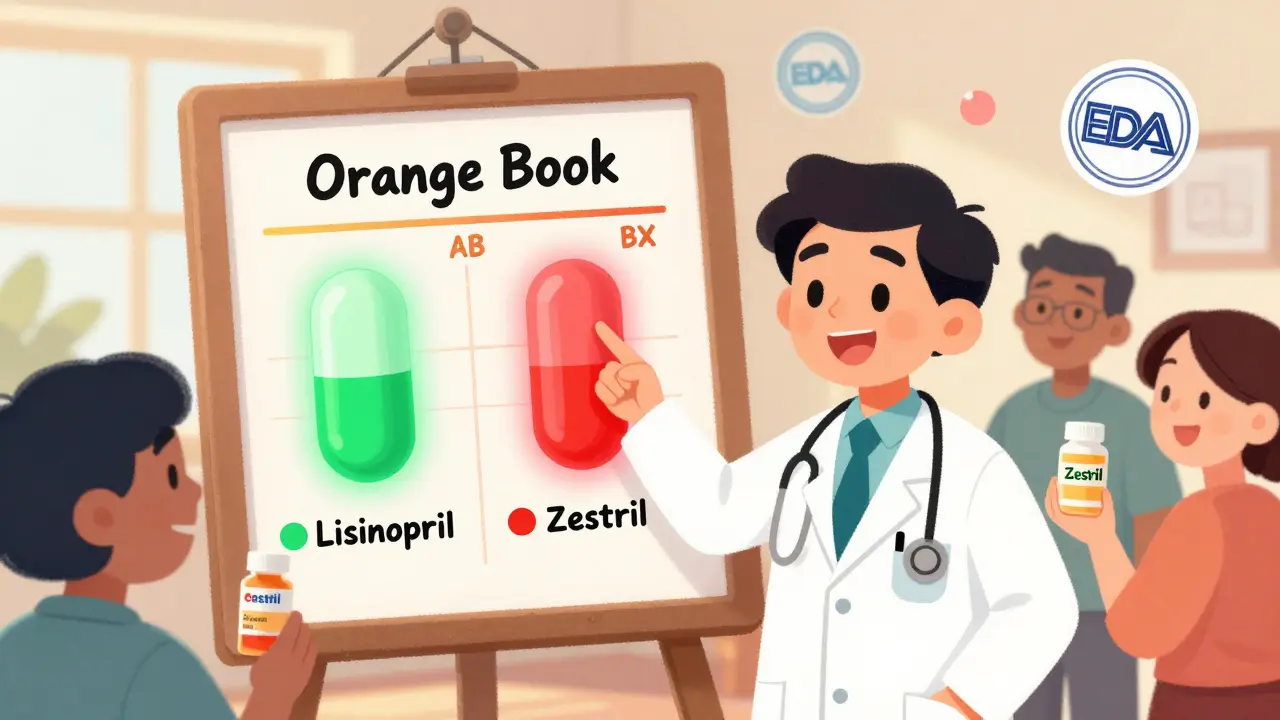
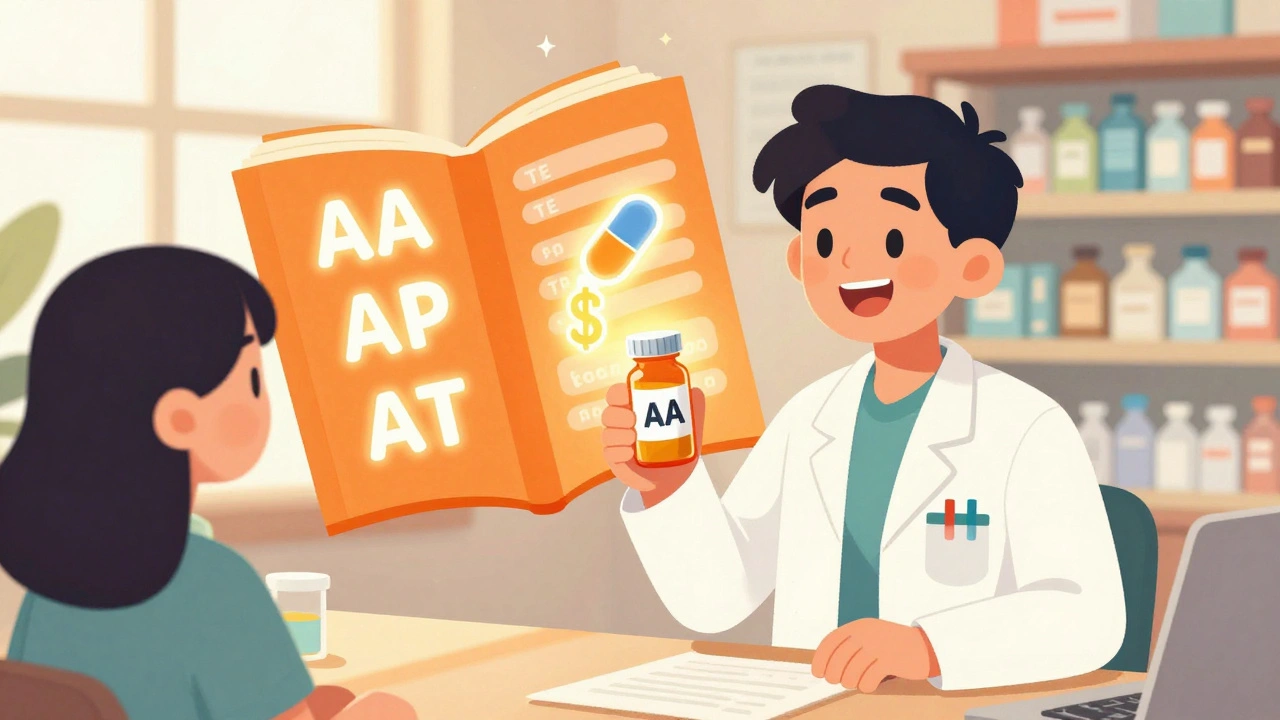
Therapeutic Equivalence Codes (TE Codes) tell pharmacists which generic drugs can safely replace brand-name medications. Learn how the FDA's Orange Book system saves billions while ensuring effectiveness.
Authorized generics are identical to brand-name drugs but cost less because they skip marketing and branding costs. Learn how they work, why they’re cheaper, and how to get them to save money on prescriptions.