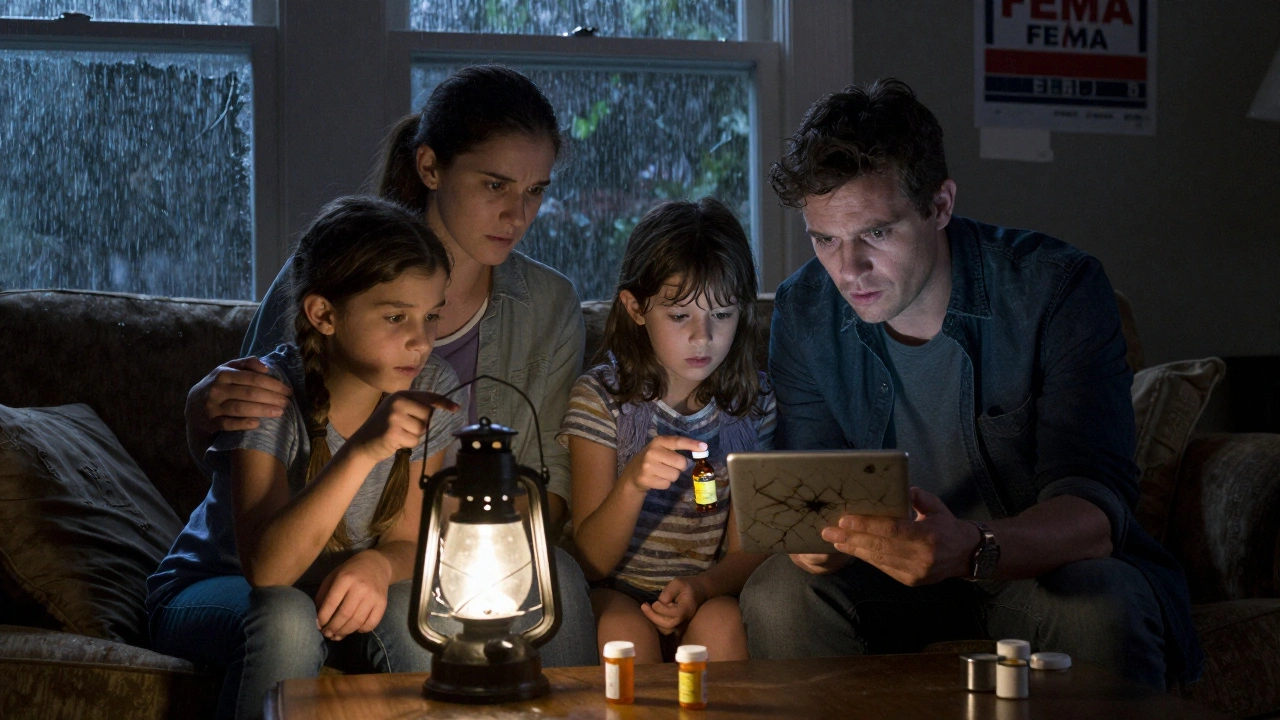
Disaster Medicine: What It Is and How It Saves Lives in Crises
When a building collapses, a hurricane hits, or a chemical spill spreads, disaster medicine, the specialized field of delivering medical care during large-scale emergencies. It's not just about treating injuries—it's about making impossible choices with limited tools, staff, and time. This isn’t hospital work. There are no IV pumps, no CT scanners, no waiting for lab results. In disaster medicine, you decide who gets help first based on who has the best chance to survive—right now.
That decision-making process is called triage, a system for sorting patients by urgency when resources are overwhelmed. mass casualty triage uses color-coded tags: red for immediate care, yellow for delayed, green for minor injuries, and black for those beyond help. It’s cold, but it saves more lives than trying to help everyone at once. Behind this system are trained teams—EMTs, doctors, nurses—who train for years just to handle chaos. They know how to set up field hospitals in parking lots, use duct tape and plastic sheeting as makeshift barriers, and stretch a single supply of antibiotics across hundreds of people.
Disaster medicine also works before the disaster hits. Public health agencies plan for pandemics, train volunteers, stockpile medicines, and run drills. After 9/11, after Hurricane Katrina, after the COVID-19 surge, every lesson was written into new protocols. Now, when a wildfire threatens a town, emergency responders know exactly where to send mobile clinics, which drugs to prioritize, and how to coordinate with FEMA and local hospitals. It’s a system built on hard experience, not theory.
You won’t find disaster medicine in regular ERs or doctor’s offices. But when the world breaks down, it’s the only thing standing between life and death for thousands. The posts below dive into the real-world tools, rules, and tough calls that make this field work—from how to manage bleeding in a tent with no electricity, to why certain drugs are kept in emergency caches, to how communication fails—and how to fix it.
Learn when and how to safely use expired medications during disasters or shortages. Understand which drugs still work, which are dangerous, and what steps to take in an emergency.