Diabetes Management: Tools, Medications, and Real-World Strategies
When you're living with diabetes management, the ongoing process of controlling blood sugar levels to prevent complications and maintain daily function. Also known as blood sugar control, it's not just about taking pills or injecting insulin—it's about understanding how food, movement, stress, and medications interact in your body every single day. Many people think diabetes management is just checking glucose levels and popping a pill, but the real work happens in the choices you make before and after those checks. It’s a daily balancing act between what you eat, how active you are, how well your meds work, and even how much sleep you got last night.
Effective insulin therapy, the use of injected or infused insulin to replace or supplement the body’s natural insulin production is critical for type 1 diabetes and often needed in advanced type 2. But it’s not one-size-fits-all. Some people use long-acting insulin once a day, others need multiple daily injections or an insulin pump. And then there are the oral diabetes medications, pills that help lower blood sugar through different mechanisms like increasing insulin sensitivity or reducing liver glucose output—metformin, SGLT2 inhibitors, GLP-1 agonists, and more. Each has different side effects, costs, and benefits. For example, metformin is often the first choice because it’s cheap and doesn’t cause weight gain, while newer drugs like semaglutide can actually help with weight loss and heart protection.
What’s often overlooked is how diabetic complications, long-term health problems caused by high blood sugar damaging nerves, blood vessels, and organs creep up slowly. Nerve damage in the feet, kidney decline, vision loss—these aren’t sudden events. They’re the result of years of uncontrolled glucose. That’s why consistent management matters more than perfect numbers on any one day. Monitoring tools like continuous glucose monitors (CGMs) help catch spikes and drops you’d otherwise miss. And yes, even small habits like walking after meals or cutting back on sugary drinks can shift the trajectory over time.
You won’t find magic fixes here. No miracle diets, no secret supplements. Just real, evidence-backed ways to take control. The posts below cover everything from how to safely split pills to avoid wasting meds, to why certain generics need extra monitoring, to how to report side effects if something doesn’t feel right. You’ll see how people manage diabetes alongside other conditions like high blood pressure or depression—because that’s real life. No fluff. No hype. Just what works, what doesn’t, and what you need to know to stay safe and in control.
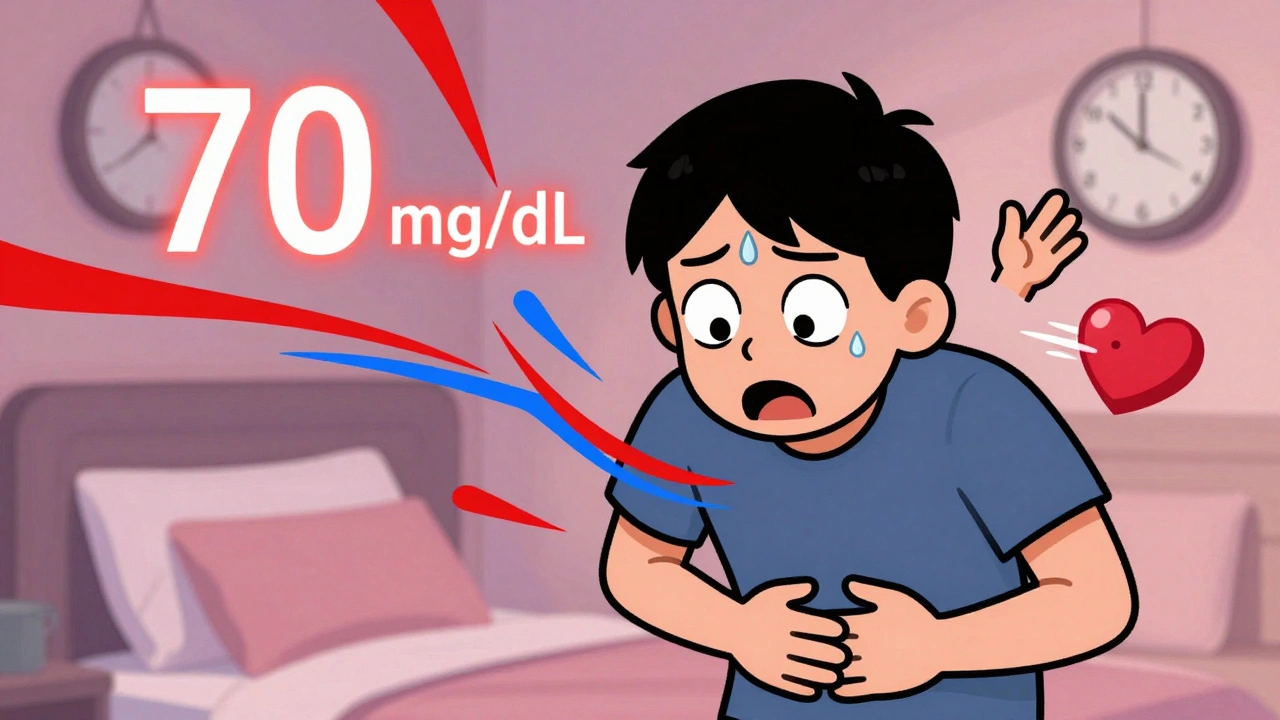
Learn how to recognize, treat, and prevent low blood sugar (hypoglycemia) if you have diabetes. Understand symptoms, emergency treatments like glucagon, and proven prevention strategies backed by 2025 guidelines.