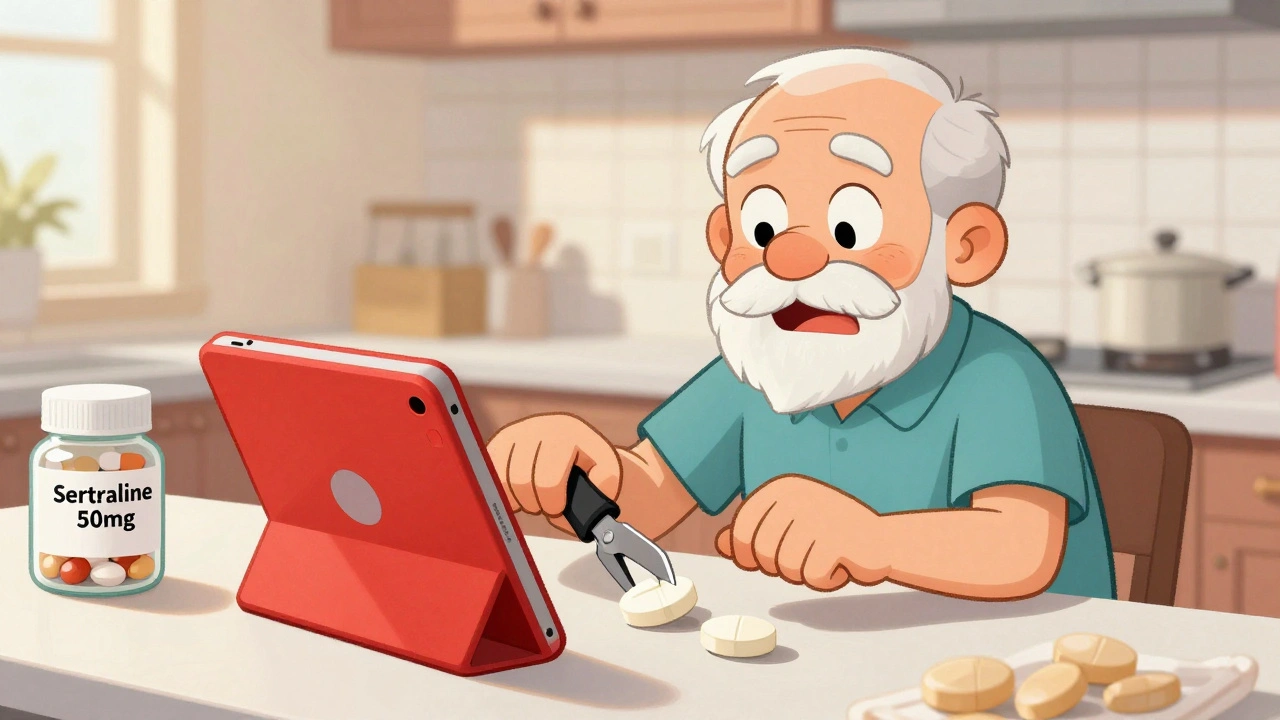
Pill Splitting: What You Need to Know Before Cutting Your Medication
When you split a pill, you’re not just dividing a tablet—you’re changing how your body gets the medicine. pill splitting, the practice of cutting a scored tablet in half to adjust dosage or reduce cost. Also known as tablet splitting, it’s a common habit among people managing chronic conditions like high blood pressure, depression, or heart disease. But not all pills are meant to be split. Some are designed to release medicine slowly over hours, and cutting them can cause a dangerous spike in drug levels. Others have coatings that protect your stomach or control absorption—break those, and you risk side effects or treatment failure.
The real issue isn’t just whether a pill can be split—it’s whether it should be. generic substitution, when a pharmacy swaps a brand-name drug for a cheaper version. Also known as generic drug switching, it’s a major reason people turn to pill splitting: they’re trying to stretch their prescription further. But generics aren’t always identical in shape, hardness, or coating, even if they contain the same active ingredient. A pill that splits cleanly in one brand might crumble or unevenly divide in another. And when you’re dealing with narrow therapeutic index, drugs where small changes in blood levels can cause serious harm. Also known as NTI drugs, it’s not just about cost—it’s about safety. Medications like digoxin, warfarin, or clozapine fall into this category. Even a 10% dose variation can lead to toxicity or loss of control over your condition.
Some pills are scored for splitting, but that doesn’t mean it’s safe or accurate. The FDA doesn’t require manufacturers to test how well a pill splits, and most pharmacies don’t have tools to ensure equal halves. A study in the Journal of the American Pharmacists Association found that hand-split pills often varied by more than 20% in dose—enough to make a difference with drugs like levothyroxine or seizure meds. Even if you use a pill cutter, factors like moisture, brittleness, or irregular shapes can throw off the split. And if you’re splitting a capsule or a film-coated tablet, you’re likely exposing yourself to dust, taste issues, or inconsistent absorption.
There are better ways to manage cost and dosing. Talk to your doctor about lower-strength tablets, patient assistance programs, or authorized generics. Ask if your medication has a liquid form or if it’s available in a once-daily extended-release version that doesn’t need splitting. If you’ve been splitting pills for years, don’t stop abruptly—but do bring it up at your next visit. Your pharmacist can check if your pill is safe to split, and your doctor can adjust your prescription to avoid the need altogether.
Below, you’ll find real-world examples of when pill splitting makes sense—and when it puts your health at risk. From clozapine to digoxin, from NTI drugs to generic substitution issues, these posts show exactly how medication design, dosing, and patient behavior intersect. You’ll learn what the FDA says, what doctors actually do, and how to protect yourself when cost and convenience collide with safety.
Learn which pills are safe to split and which ones can be dangerous. Save money on meds without risking your health by following expert guidelines on tablet splitting.