
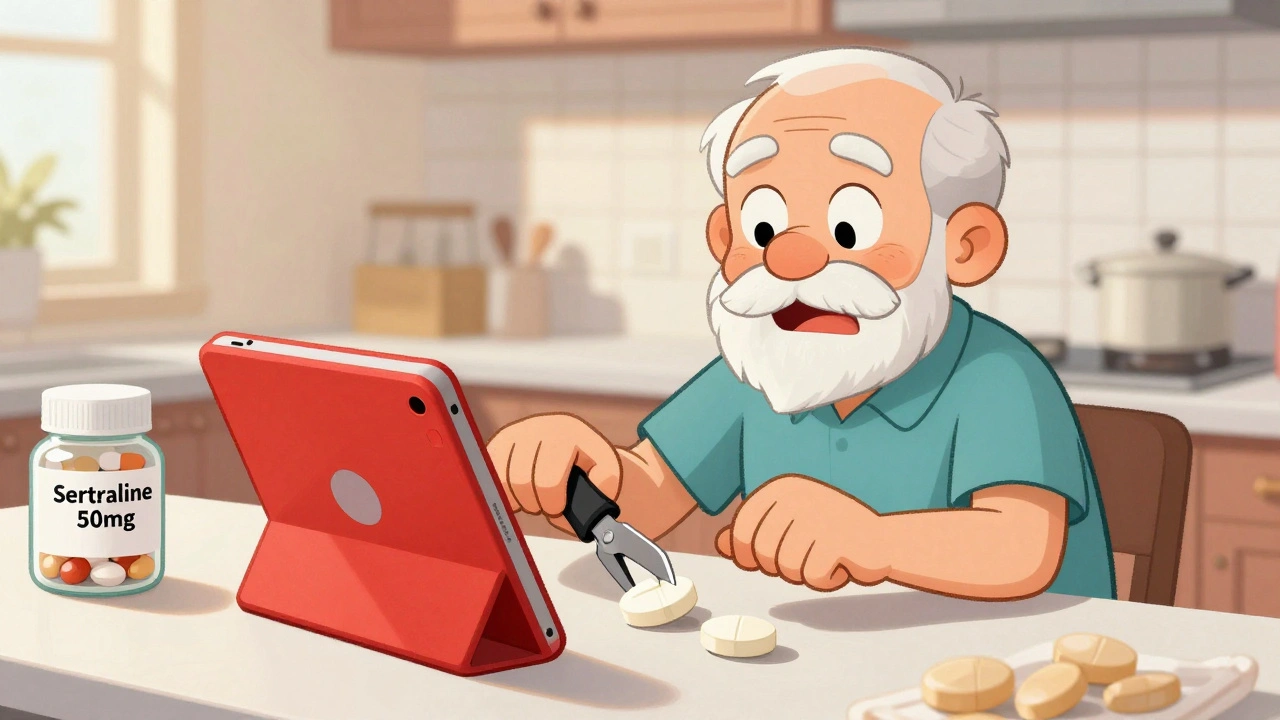
Splitting pills might seem like a simple way to save money or make swallowing easier, but it’s not as harmless as it looks. A 2023 survey found that nearly 1 in 4 adults over 65 split their pills without talking to a doctor or pharmacist first. That’s risky. Some pills can become dangerous when split-leading to uneven doses, side effects, or even hospital visits. The good news? Many pills are perfectly safe to split if you know which ones and how to do it right.
Why People Split Pills
People split pills for three main reasons: cost, swallowing trouble, and lack of the right dose. A 10mg tablet often costs the same as a 5mg tablet. Splitting the 10mg gives you two doses for the price of one. For medications like amlodipine or sertraline, that can save $25 to $40 every 90 days. For seniors on fixed incomes, that adds up to hundreds a year. Then there’s swallowing. About 14% of adults over 65 have trouble swallowing pills, according to the National Institute on Aging. Splitting a large tablet in half can make it easier to take. Some people also split pills because their doctor prescribed a dose that isn’t available as a single tablet-like needing 12.5mg when only 25mg is sold. But here’s the catch: not all pills are built the same. What works for one pill can ruin another.Safe to Split: The List You Can Trust
If a pill has a score line-a visible groove down the middle-it’s usually a sign it’s meant to be split. But even then, you can’t assume. The FDA says 32% of scored tablets still don’t split evenly because of how they’re made. These medications are generally safe to split if they’re immediate-release and scored:- Citalopram (Celexa)
- Escitalopram (Lexapro)
- Fluvoxamine (Luvox)
- Sertraline (Zoloft)
- Amlodipine (Norvasc)
- Hydrochlorothiazide (HCTZ)
- Atorvastatin (Lipitor)
- Metoprolol (Lopressor)
- Simvastatin (Zocor)
Never Split: The Dangerous Ones
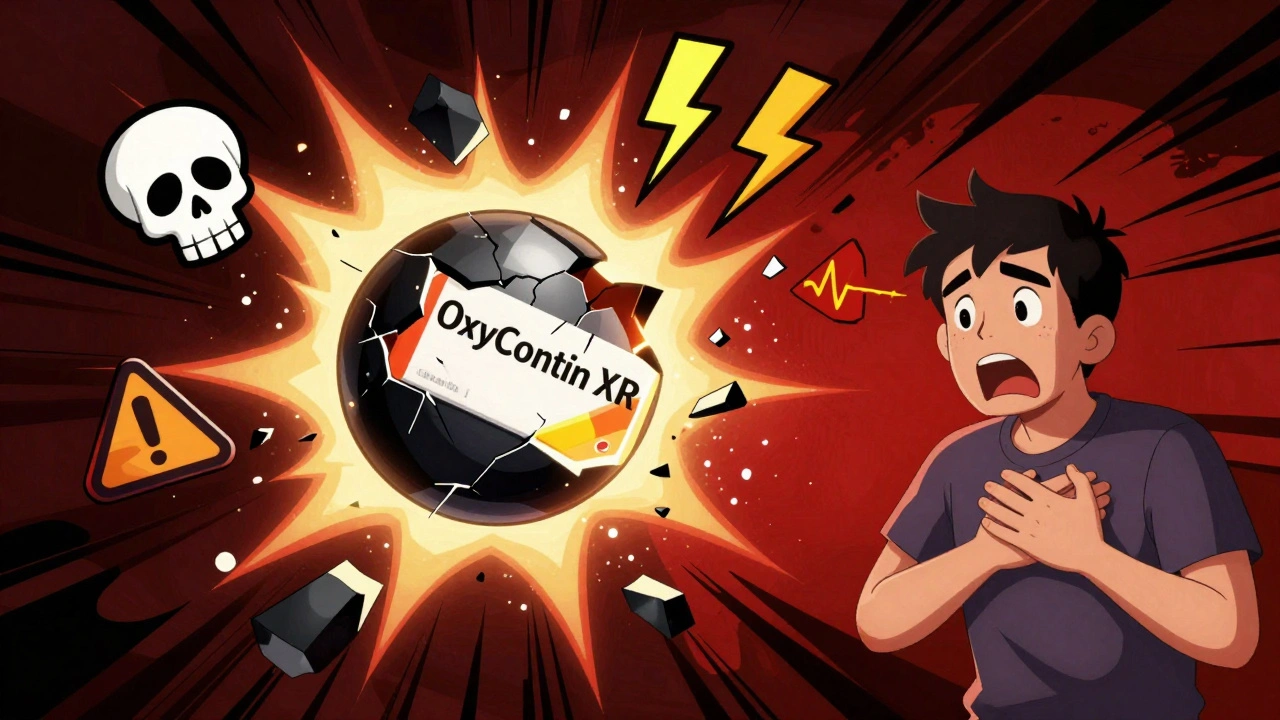
Some pills are designed to release medicine slowly over hours. Splitting them destroys that design. The result? You get a full dose all at once. That can cause dizziness, rapid heartbeat, or worse. Here’s what you should never split:- Extended-release tablets (like OxyContin, Metformin XR, or Verapamil SR)
- Enteric-coated pills (like aspirin EC or omeprazole)
- Capsules with powder or gel inside
- Chemotherapy drugs (like cyclophosphamide)
- Alendronate (Fosamax)-splitting can irritate your esophagus
- Dabigatran (Pradaxa)-even a tiny dose change raises stroke risk
- Paroxetine (Paxil)-classified as hazardous by NIOSH due to reproductive risks
How to Split Pills the Right Way
If your pill is safe to split, you still need to do it right. Using a knife, scissors, or your fingers? That’s how mistakes happen. The FDA says splitting with a proper tablet cutter gives you 92-97% accuracy. Without one? You’re lucky to hit 63%. A 2008 study showed people using kitchen tools had dose variations of up to 72%. Here’s how to do it safely:- Buy a dedicated tablet cutter. They cost $5-$25 and are sold at pharmacies or online.
- Wash your hands before handling the pill.
- Split only one pill at a time-right before you take it.
- Store the unused half in an airtight, opaque container. Moisture and air degrade pills fast.
- Throw out split halves after 72 hours. Potency can drop by 35% in that time.
What Happens When You Split Wrong
In 2022, the Agency for Healthcare Research and Quality estimated that improper pill splitting caused $287 million in extra healthcare costs in the U.S. That includes ER visits, hospital stays, and extra doctor visits. Reddit users shared real stories: one person split their amlodipine with a knife and ended up dizzy for days. Another split paroxetine and had panic attacks. On PatientsLikeMe, 29% of users who split pills reported symptoms like headaches, nausea, or heart palpitations-signs they got too much or too little. And it’s not just patients. Pharmacists say 63% have seen at least one patient injury linked to splitting pills. In nursing homes, 23% of medication errors from 2014-2016 came from improper splitting.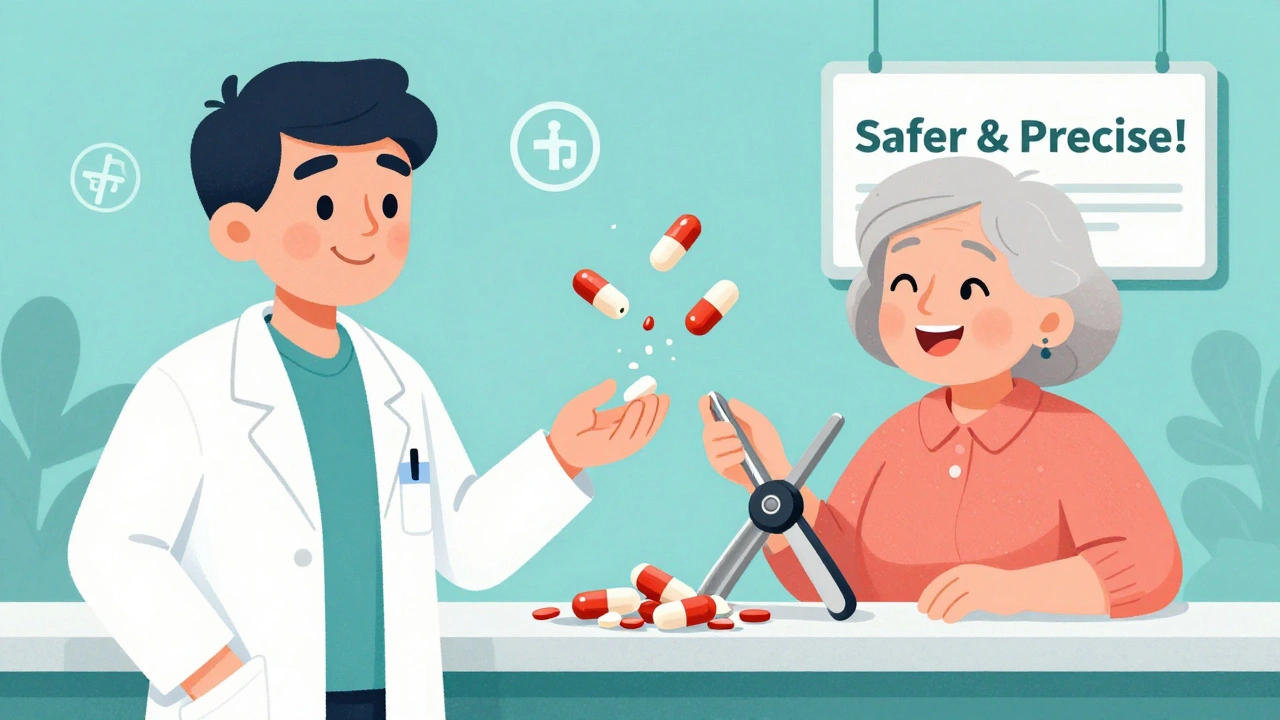
Alternatives to Splitting
Before you split, ask your pharmacist: “Is there a lower-dose version available?” Many manufacturers now make 5mg, 10mg, or 12.5mg tablets specifically to avoid splitting. Yes, those smaller pills often cost more. But they’re 99.8% accurate. No risk of uneven halves. No degradation over time. For people with arthritis or shaky hands, a pre-split pill is safer and easier. New technologies are also emerging. Oral soluble films, multi-particulate systems, and liquid formulations are becoming more common. These give precise doses without the guesswork. The pharmaceutical industry expects these to replace splitting for 25% of current cases in the next 10 years.When to Talk to Your Doctor or Pharmacist
Don’t guess. Don’t rely on Google. Don’t follow a Reddit thread. Always ask:- Is this pill safe to split?
- Does it have a score line-and is that score line FDA-approved for splitting?
- Is there a lower-dose version?
- Should I use a tablet cutter?
- How do I store the split pieces?
Final Checklist: Split or Not?
Before you split a pill, run through this quick checklist:- ✅ Does the pill have a clear score line?
- ✅ Is it labeled as immediate-release? (No XR, ER, SR, XL)
- ✅ Is it not a capsule, gel, or enteric-coated tablet?
- ✅ Is it not on the ISMP’s high-alert list (e.g., Pradaxa, OxyContin, Fosamax)?
- ✅ Did your doctor or pharmacist approve it?
- ✅ Do you have a tablet cutter?
- ✅ Will you split only one pill at a time and use it within 72 hours?
Cost savings matter. But safety matters more. A few extra dollars isn’t worth a trip to the ER.
Can I split my blood pressure pill in half?
Some blood pressure pills can be split safely-like amlodipine, metoprolol, or hydrochlorothiazide-if they’re immediate-release and have a score line. But never split extended-release versions like Verapamil SR or Cardizem LA. Always check with your pharmacist first.
Is it safe to split pills with a knife or scissors?
No. Using a knife, scissors, or your fingers leads to uneven doses and increases the risk of taking too much or too little. A dedicated tablet cutter reduces dose variation from 40% down to 8-15%. It’s a small investment for safety.
What happens if I split a pill and don’t take it right away?
Split pills lose potency quickly. Moisture and air can degrade them by up to 35% within 72 hours. Store them in an airtight, opaque container, but throw them out after 3 days. Never split your whole month’s supply at once.
Can I split capsules or gel pills?
Never. Capsules contain powders or gels designed to be released slowly. Splitting them can cause a dangerous overdose or make the medicine ineffective. If you can’t swallow capsules, ask your doctor for a liquid or tablet form instead.
Why do some pills have a score line but still shouldn’t be split?
A score line doesn’t guarantee safety. Some manufacturers add it for manufacturing reasons, not patient use. The FDA says only 57% of scored tablets are officially approved for splitting. Always check the package insert or ask your pharmacist-don’t assume.
Are there apps that help with pill splitting?
Yes. Major pharmacy chains like Walgreens and CVS now offer apps that tell you if a pill can be split, show how to use a tablet cutter, and calculate savings. These reduce splitting errors by nearly 30%. But they’re not a substitute for professional advice.
Can splitting pills cause side effects?
Yes. Uneven splitting can lead to too much or too little medicine. Symptoms include dizziness, nausea, rapid heartbeat, or worsening of your condition. In one study, 29% of people who split pills reported these issues. If you feel different after splitting, stop and call your doctor.
Is pill splitting legal?
Yes, as long as it’s done under medical supervision. The FDA allows it for certain medications. But pharmacists can refuse to fill a prescription if they believe splitting is unsafe. Always get approval from your doctor or pharmacist before splitting any pill.



Rupa DasGupta
OMG I split my Zoloft with a knife for 3 years 😭 now I’m addicted to caffeine just to feel normal. Thanks, Reddit.