Low Blood Sugar: Causes, Symptoms, and What to Do When It Happens
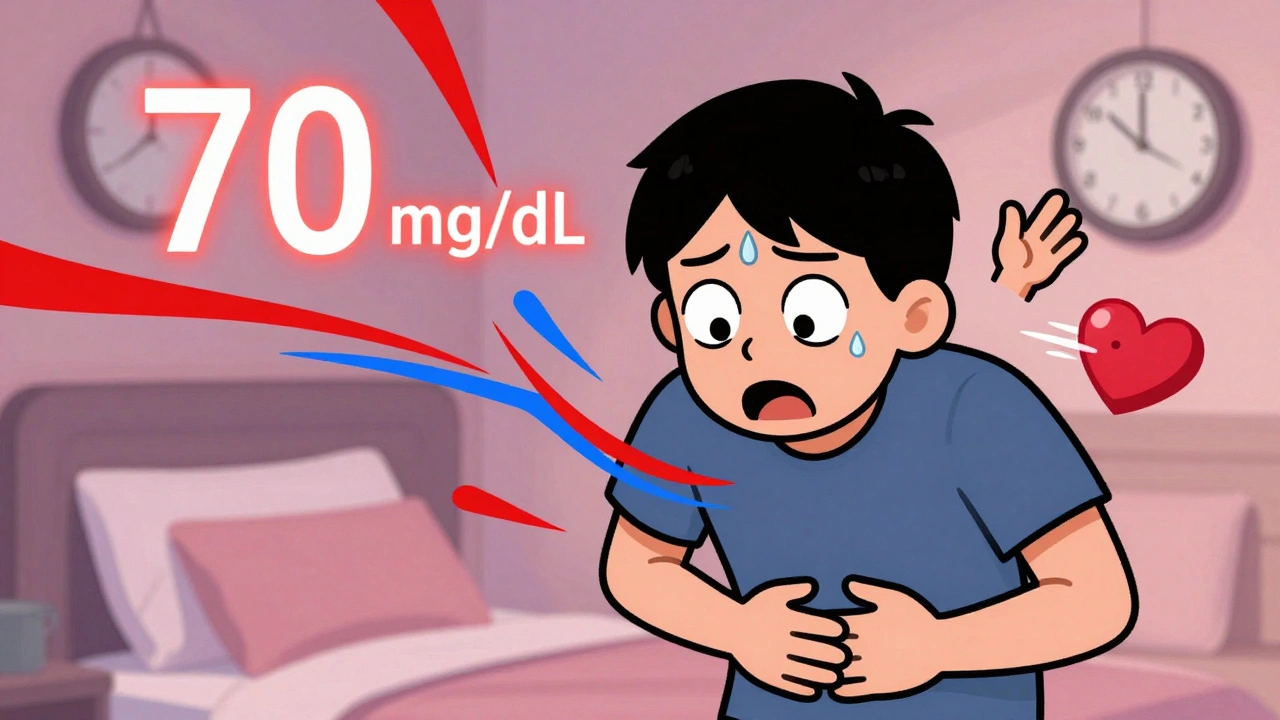
When your low blood sugar, a condition where glucose levels in the blood drop below normal, typically under 70 mg/dL. Also known as hypoglycemia, it can happen to anyone—but it’s most common in people with diabetes who take insulin or certain oral meds. It’s not just a nuisance. Left untreated, it can lead to seizures, loss of consciousness, or worse. You might feel shaky, sweaty, or suddenly hungry. Sometimes, it hits without warning—especially at night or after exercise.
What causes it? For people with diabetes, it’s often too much insulin, not enough food, or too much activity without adjusting meds. But it’s not just diabetics. Skipping meals, drinking alcohol on an empty stomach, or taking certain antibiotics or heart meds can also trigger it. Even healthy people can get low blood sugar if they have rare conditions like insulinomas or hormone imbalances. The body needs glucose to run the brain, heart, and muscles. When levels dip, your body screams for help—through sweating, rapid heartbeat, or blurred vision. Some people lose their warning signs over time, which makes it even more dangerous.
Knowing how to respond matters more than just knowing the cause. Keep fast-acting carbs handy: 4 ounces of juice, 3-4 glucose tablets, or a tablespoon of honey. Wait 15 minutes, check your level again. If it’s still low, repeat. Never try to treat someone who’s passed out with food or drink—they could choke. Glucagon injections are the safe choice there. And if this happens often, talk to your doctor. You might need to adjust your meds, meal timing, or monitoring routine.
There’s a lot of confusion around what counts as "low." Some think it’s just feeling tired after lunch. But real hypoglycemia has clear, measurable symptoms tied to actual glucose numbers. And while diabetes is the main reason, it’s not the only one. People on weight-loss diets, those with eating disorders, or even endurance athletes can run into trouble. The key is recognizing patterns: Do you feel weird after coffee? After a workout? After skipping breakfast? Tracking these moments helps you connect the dots.
Below, you’ll find real, practical guides on how medications, supplements, and even everyday habits can affect your blood sugar levels. From pill splitting risks that change how fast drugs hit your system, to how certain antidepressants or heart meds can throw off your glucose balance, these posts give you the details you won’t get from a quick Google search. You’ll also learn about drugs like digoxin and clozapine that need careful monitoring—not just for heart or brain safety, but because they can quietly mess with your sugar control. Whether you’re managing diabetes, caring for someone who is, or just want to understand why you get dizzy after lunch, this collection gives you the facts you need to act safely and confidently.
Learn how to recognize, treat, and prevent low blood sugar (hypoglycemia) if you have diabetes. Understand symptoms, emergency treatments like glucagon, and proven prevention strategies backed by 2025 guidelines.