FDA MedWatch: Understanding Drug Safety Reports and Alerts
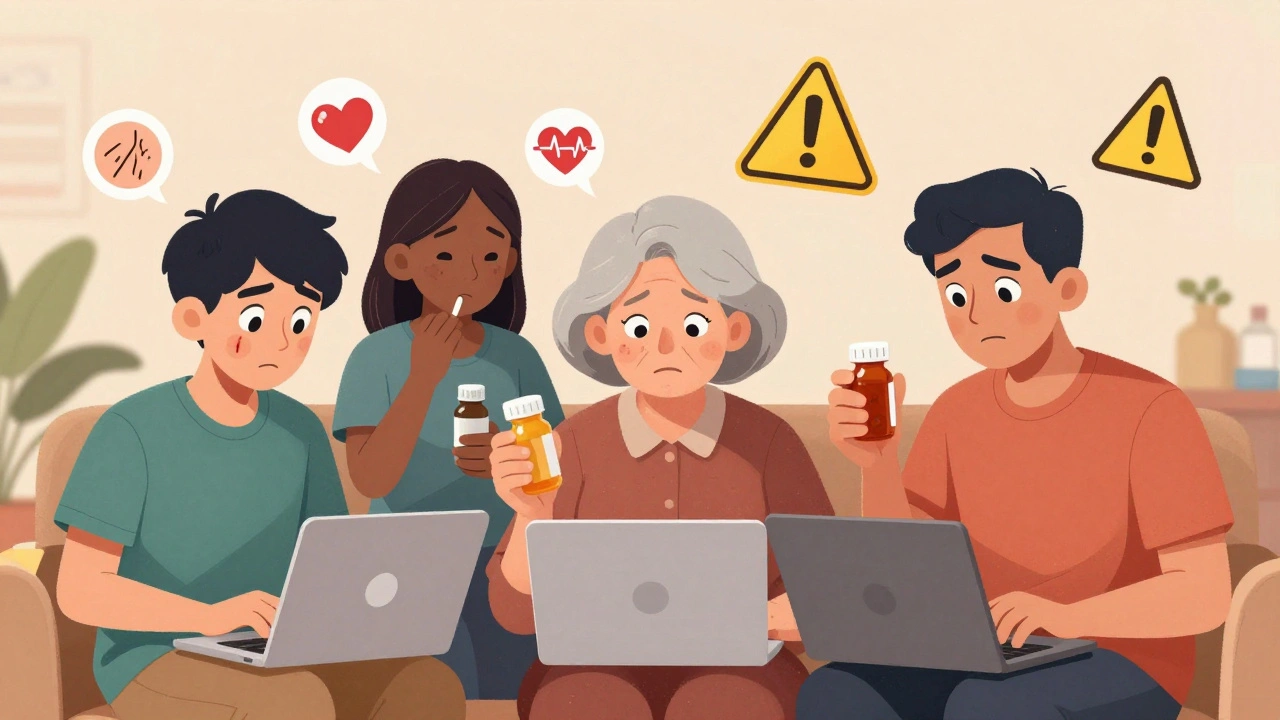
When a medication causes unexpected harm after it’s already on the market, FDA MedWatch, the U.S. Food and Drug Administration’s system for collecting and acting on reports of adverse drug reactions. It’s not a warning label you see on the bottle—it’s the hidden engine behind many drug recalls, safety updates, and black box warnings you might have heard about. This system lets doctors, pharmacists, and even patients report side effects, errors, or failures that weren’t caught in clinical trials. Think of it as the nation’s early warning system for medicines gone wrong.
It’s not just about rare side effects. adverse events, harmful or unintended reactions to a medication can be anything from a rash to liver failure. post-market surveillance, the ongoing monitoring of drugs after they’re approved relies entirely on these reports. For example, when thousands of people reported unusual bleeding while taking certain SSRIs, MedWatch data helped trigger new safety labels. The same system flagged the risks with clozapine’s ANC monitoring changes in 2025, and it’s how we learned digoxin generics could vary enough to cause toxicity. Without this feedback loop, dangerous drugs would stay on shelves for years.
FDA MedWatch doesn’t just react—it shapes how drugs are used. When enough reports pile up, the FDA updates prescribing guidelines, adds black box warnings, or even pulls a drug off the market. That’s why prescribers pay attention to these reports when deciding whether to switch a patient from a brand to a generic, especially with narrow therapeutic index drugs like digoxin or clozapine. Even if two pills look identical, if one causes more reports of side effects, MedWatch helps uncover why.
You don’t need to be a doctor to use MedWatch. If you or someone you know had a bad reaction to a medication, reporting it takes minutes and could prevent others from the same outcome. The system also tracks medication errors—like someone getting the wrong dose because a pill was split incorrectly, or a patient confused by generic substitution. That’s why the posts below cover everything from pill splitting safety to NTI drug concerns: they’re all connected to the real-world data that feeds into MedWatch.
What you’ll find here isn’t just theory. These articles dig into the real cases behind the alerts—why clozapine’s monitoring rules changed, how generic switches can trigger nocebo effects, and why some drugs need blood tests even after approval. Each one ties back to the same system: FDA MedWatch. It’s the quiet force behind the safety labels on your prescription, and knowing how it works helps you ask better questions, spot red flags, and take control of your health.
Learn how to report medication side effects to the FDA using MedWatch. Step-by-step guide for patients, caregivers, and healthcare providers on submitting adverse event reports to improve drug safety.