FAERS: Understanding the FDA's Drug Safety Database and How It Protects Patients
When you take a new medication, you trust it’s been tested for safety—but what happens after it’s on the market? That’s where FAERS, the FDA’s Adverse Event Reporting System, a public database that collects reports of harmful side effects from drugs, vaccines, and medical devices. Also known as FDA Adverse Event Reporting System, it’s the backbone of post-market surveillance—the ongoing watch for risks that clinical trials might miss. Unlike pre-approval studies, which involve thousands of patients over months, FAERS tracks millions of real-world users over years. That’s how rare but deadly reactions—like heart rhythm problems from antidepressants or liver damage from herbal supplements—get caught.
FAERS doesn’t prove a drug causes harm, but it flags patterns. If 50 people report the same rare side effect after taking a new blood pressure pill, and no one else has reported it before, the FDA takes notice. This system helped uncover the bleeding risks linked to SSRIs, the dangers of long-term diclofenac use, and why some generic versions of digoxin needed tighter monitoring. It’s not perfect—reports can be incomplete, misattributed, or even fraudulent—but it’s the most powerful tool we have to catch hidden dangers after a drug is sold to the public. Pharmacovigilance, the science of detecting, assessing, understanding, and preventing adverse effects of medicines, lives in FAERS. And adverse drug reactions, harmful and unintended responses to medications at normal doses are its core data.
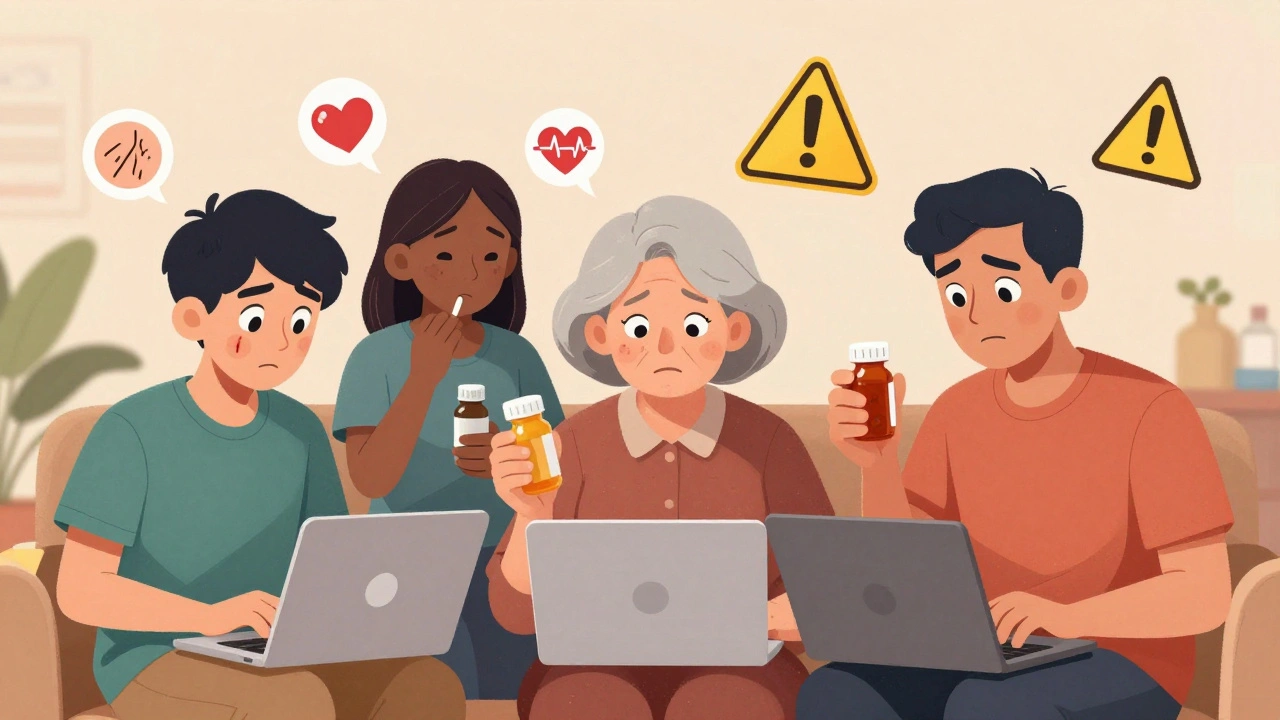
Doctors, pharmacists, patients, and even drug companies report to FAERS. A patient might notice unexplained bruising after starting a new statin and file a report. A hospital might spot a spike in kidney injuries tied to a recently approved antibiotic and submit a cluster. These aren’t just forms—they’re early warnings. The FDA uses FAERS data to issue black box warnings, recall dangerous products, update prescribing guidelines, and even pull drugs off the market. Without FAERS, we’d still be using drugs like fen-phen or Vioxx because their worst risks only showed up after millions took them.
What you’ll find in the posts below are real stories behind the data. Articles on clozapine REMS changes, digoxin bioavailability issues, SSRI bleeding risks, and NTI drug substitution concerns all trace back to findings first spotted in FAERS. These aren’t theoretical concerns—they’re outcomes of real people reporting side effects, and the system responding. Whether you’re a patient wondering why your doctor won’t switch your generic, a clinician reviewing a new drug’s safety profile, or just someone trying to understand why some meds come with scary labels, FAERS is the hidden engine behind those decisions. This collection gives you the context to read between the lines of drug safety news—and know when to ask the right questions.
Learn how to report medication side effects to the FDA using MedWatch. Step-by-step guide for patients, caregivers, and healthcare providers on submitting adverse event reports to improve drug safety.