Citalopram Safety: What You Need to Know About Side Effects, Risks, and Safe Use
When you take citalopram, a selective serotonin reuptake inhibitor (SSRI) used to treat depression and anxiety. Also known as Celexa, it helps balance brain chemicals—but it’s not without risks. Many people use it without issues, but others face serious side effects, especially if they don’t know what to watch for. It’s not just about feeling better—it’s about staying safe while you do.
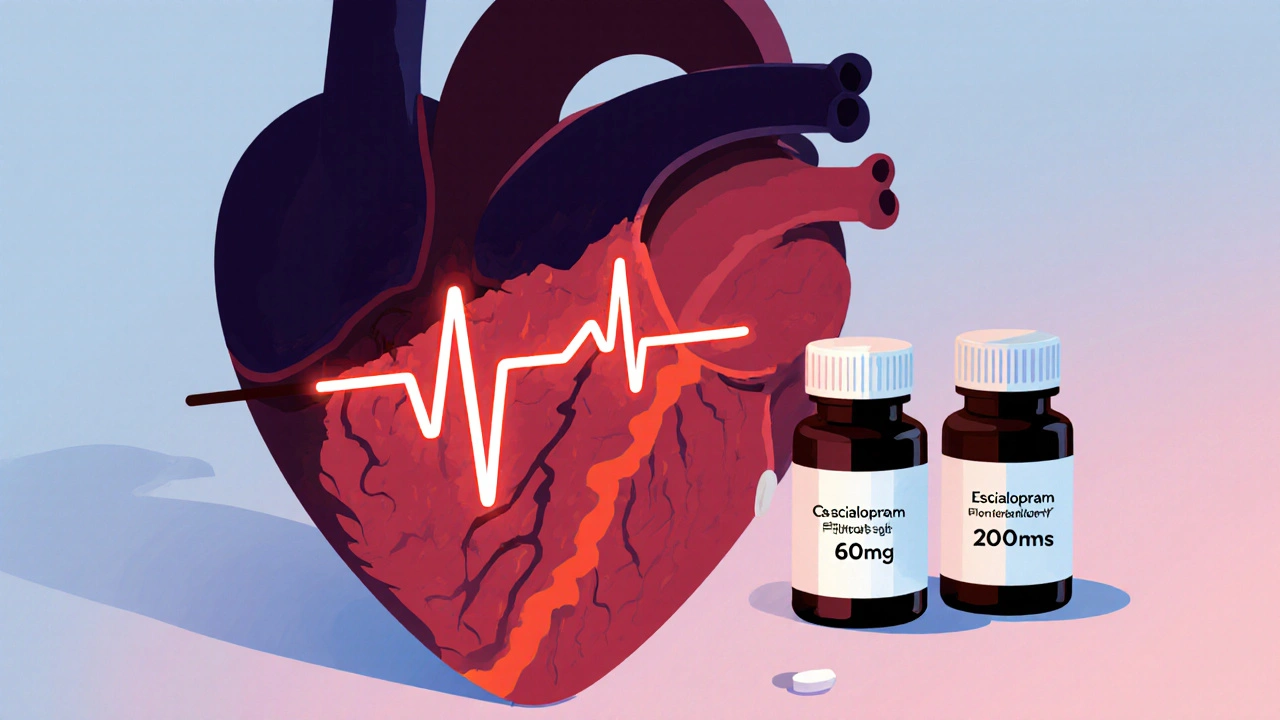
One of the biggest concerns with citalopram is the risk of QT prolongation, a heart rhythm problem that can lead to dangerous arrhythmias, especially at higher doses. The FDA limits citalopram to 40 mg per day for most adults, and even lower for people over 60 or those with liver problems. If you’re on other meds—like certain antibiotics, antifungals, or even some heart drugs—your risk goes up. This isn’t theoretical; real cases have led to hospitalizations. You can’t just increase your dose because you don’t feel better fast enough. That’s when things turn dangerous.
Then there’s the serotonin syndrome, a rare but life-threatening reaction from too much serotonin in the brain. It can happen if you mix citalopram with other antidepressants, certain pain meds like tramadol, or even herbal supplements like St. John’s wort. Symptoms? Agitation, fast heartbeat, high fever, muscle stiffness. If you notice any of these, don’t wait—get help immediately. And don’t assume it’s just "normal" side effects. Early recognition saves lives.
Another quiet risk is the initial worsening of anxiety or suicidal thoughts, especially in people under 25. It’s not common, but it’s real. That’s why doctors ask you to check in early, often within the first few weeks. If you feel worse, not better, in the first month, tell your provider. This isn’t weakness—it’s smart monitoring.
And what about withdrawal? Stopping citalopram cold turkey can trigger dizziness, nausea, electric-shock sensations, and intense mood swings. You can’t just skip a dose because you feel fine. Tapering slowly, under medical guidance, is the only safe way out.
People often think SSRIs are harmless because they’re widely prescribed. But citalopram isn’t a vitamin. It’s a powerful drug with real, measurable risks. The key isn’t avoiding it—it’s using it wisely. Know your dose. Know your other meds. Know the warning signs. And never ignore your body when it’s telling you something’s off.
Below, you’ll find real-world guides on how citalopram compares to other antidepressants, what to do if side effects hit, how to spot dangerous interactions, and why some people respond better than others. This isn’t theory—it’s what people actually experience. Use it to ask better questions, make smarter choices, and stay safe while you heal.
Citalopram and escitalopram are effective antidepressants but carry QT prolongation risks at higher doses. Learn the safe limits, who's most at risk, and why escitalopram is often preferred over citalopram for heart safety.