Adverse Event Reporting: What It Is and Why It Matters for Your Safety
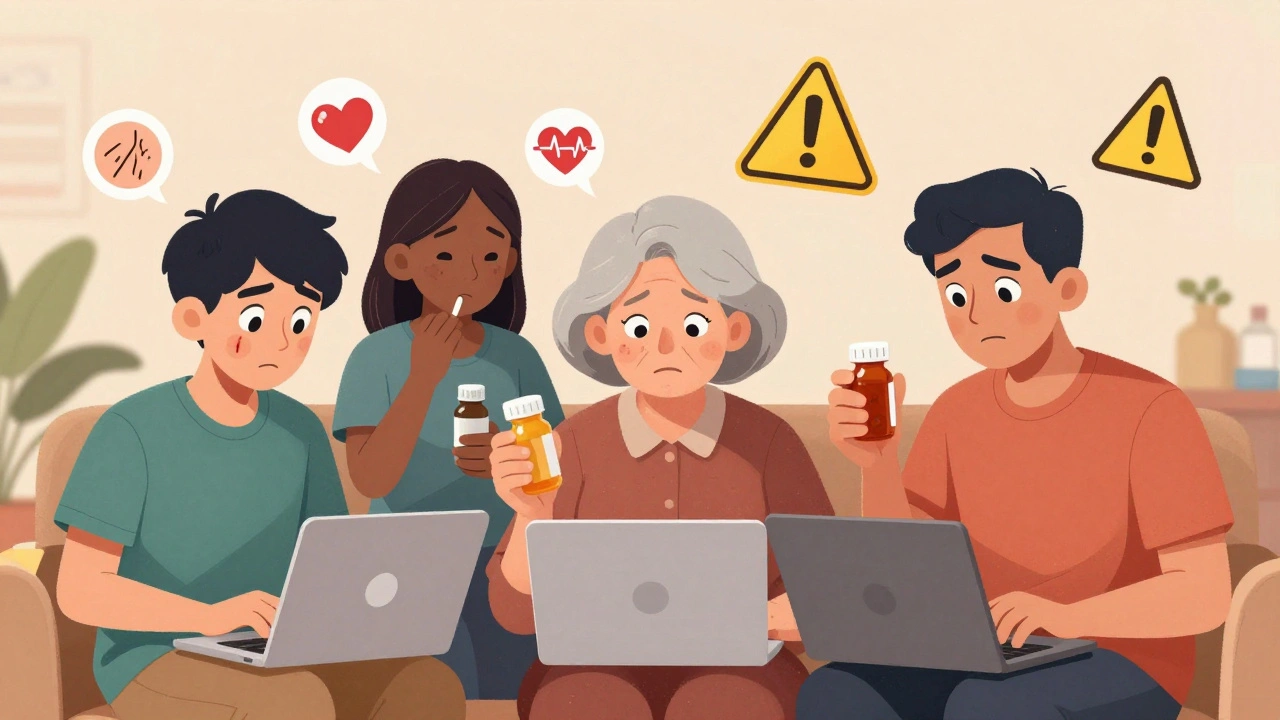
When a medication causes an unexpected or harmful reaction, that’s called an adverse event reporting, the system used to collect and analyze harmful side effects from drugs, vaccines, and medical devices. Also known as pharmacovigilance, it’s the backbone of drug safety in the U.S. and around the world. Without this process, dangerous side effects might go unnoticed for years—putting millions at risk. This isn’t just paperwork. It’s how the FDA finds out that a blood thinner increases bleeding risk, or that an antidepressant can cause dangerous heart rhythms at high doses.
Adverse event reporting isn’t just for doctors. Anyone can file a report: patients, caregivers, pharmacists, even family members. If you took a new pill and started having strange symptoms—dizziness, rash, chest pain, or worse—your report could be the one that triggers a safety review. The system works because it’s built on real-world data, not just lab studies. That’s why posts about black box warnings, digoxin generics, and SSRI bleeding risk all tie back to this system. These alerts don’t appear out of nowhere. They come from thousands of reports filed over time. Even small patterns, like a spike in reports about a generic version causing more side effects, can lead to changes in labeling or warnings.
It’s not perfect. Many reactions go unreported because people don’t know how, or think it’s not serious. But when enough people speak up, the system responds. The 2025 change to clozapine REMS happened because reports showed the old monitoring rules were causing more harm than good—delaying treatment for people who needed it most. Similarly, concerns about NTI drugs and generic substitution came from real patient reports, not theoretical models. These aren’t abstract concepts. They’re direct results of people sharing their experiences.
What you’ll find below are posts that show how adverse event reporting shapes real decisions: why some drugs get black box warnings, why certain generics require extra caution, and how patient reports led to major safety updates. This isn’t about bureaucracy. It’s about making sure the next person doesn’t have to suffer because someone didn’t speak up.
Learn how to report medication side effects to the FDA using MedWatch. Step-by-step guide for patients, caregivers, and healthcare providers on submitting adverse event reports to improve drug safety.