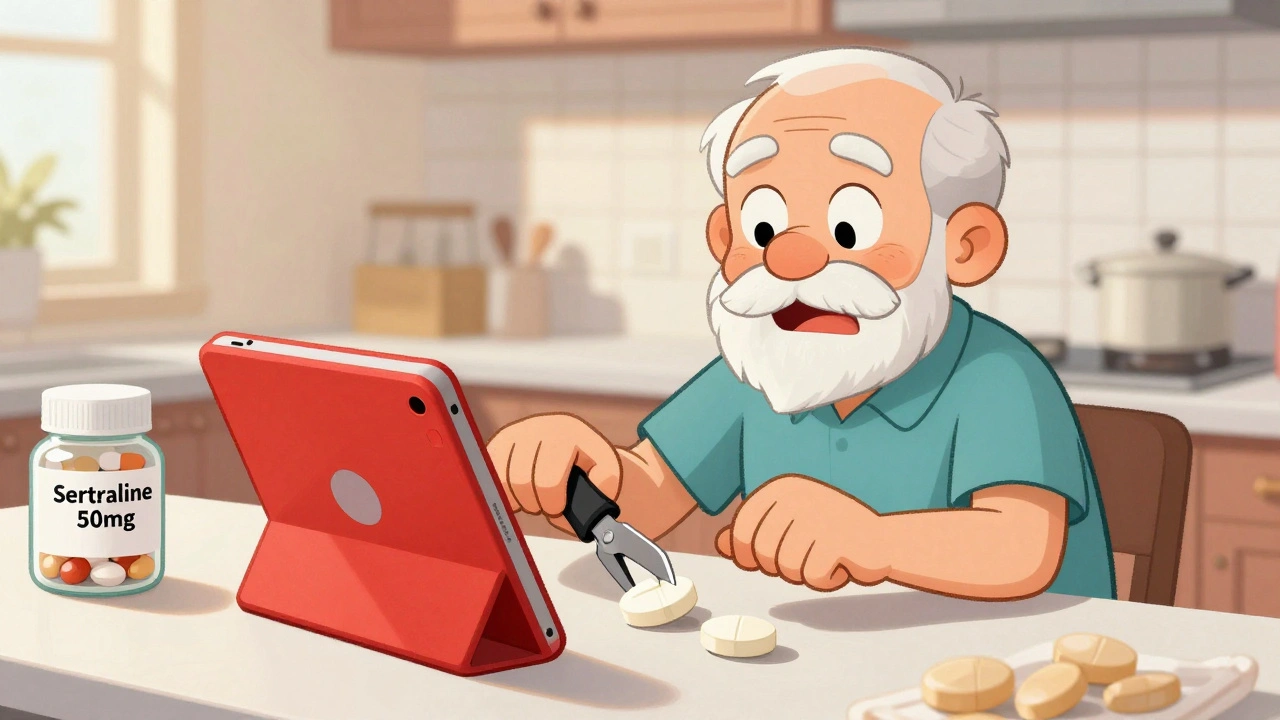
Tablet Splitting: What You Need to Know Before Cutting Your Pills
When you tablet splitting, the practice of dividing a scored pill into smaller doses. Also known as pill splitting, it’s a common way to stretch prescriptions, lower costs, or fine-tune doses—especially for drugs like generic medications that come in higher strengths than you need. But not every pill is meant to be cut, and doing it wrong can mess up how your body absorbs the medicine.
Some medications, like narrow therapeutic index (NTI) drugs, are especially risky to split. Even tiny changes in dose—like cutting a pill that isn’t evenly scored—can push blood levels into dangerous territory. Think digoxin or clozapine: these drugs have a razor-thin line between working and causing harm. The FDA doesn’t approve splitting for these, and doctors often avoid it for good reason. On the other hand, pills like statins, blood pressure meds, or antidepressants that are scored and stable may be fine to split—if done correctly.
It’s not just about the pill. Tools matter. A proper pill splitter gives you a clean, even break. Using scissors, a knife, or your fingers? That’s asking for uneven doses and wasted medicine. And if your pill has a special coating—enteric, extended-release, or sustained-release—splitting it can ruin the design. Suddenly, you’re getting the whole dose all at once, or the drug doesn’t get absorbed at all. That’s why pharmacists often ask if you’ve been splitting your meds. They’re not being nosy; they’re checking for safety.
There’s also the psychological side. Some people feel like they’re getting more value from splitting a $100 pill into two $50 doses. But if the split pill doesn’t work right, you might end up back in the doctor’s office with worse symptoms or side effects. That’s where the nocebo effect kicks in—thinking a generic or split pill won’t work can make you feel worse, even if the medicine is identical. It’s not all in your head; your brain can trigger real physical reactions based on what you believe.
So before you grab that pill splitter, ask your pharmacist or doctor. Is this pill safe to split? Is it scored? Does it have a special coating? Are there alternatives like lower-strength tablets? The answer might be simple: just get the right dose instead of cutting a bigger one. But if splitting is the right move, do it right—use the right tool, store split pills properly, and never split time-release or capsule forms. The goal isn’t just to save money. It’s to stay safe while getting the dose you need.
Below, you’ll find real-world advice from doctors, pharmacists, and patients who’ve navigated the tricky world of splitting pills—what works, what doesn’t, and what no one tells you until it’s too late.
Learn which pills are safe to split and which ones can be dangerous. Save money on meds without risking your health by following expert guidelines on tablet splitting.