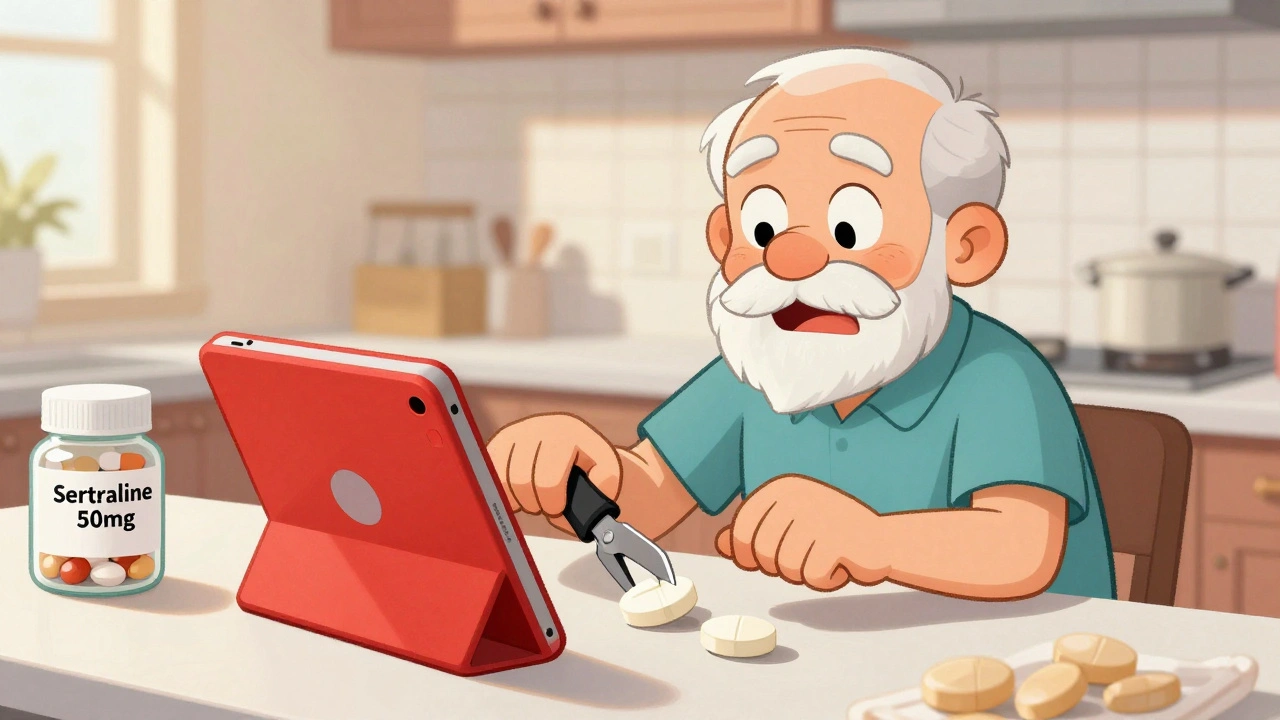
Safe Pill Splitting: How to Split Medications Correctly and Avoid Dangerous Mistakes
When you need to take half a pill, safe pill splitting, the practice of dividing tablets to achieve a lower dose. Also known as tablet splitting, it’s a common way to cut prescription costs or match a doctor’s prescribed dose. But not all pills can be split—and splitting the wrong one can lead to overdose, underdose, or even serious side effects.
Some medications, like narrow therapeutic index (NTI) drugs, medications where small changes in blood levels can cause harm, are especially risky to split. Drugs like digoxin, warfarin, or certain seizure meds need exact dosing. Even if a pill looks easy to split, a tiny variation in amount can make it ineffective or dangerous. The FDA doesn’t approve all pills for splitting, and manufacturers don’t always test how well they break evenly. That’s why you should never split extended-release, enteric-coated, or capsule-form pills. A pill with a hard outer shell might release too much drug at once if split open.
Using the right tool matters too. A pill splitter, a simple device designed to cut tablets cleanly and evenly is far safer than using a knife or scissors. Many pharmacy counters have them available for free. Always check with your pharmacist before splitting any pill—they know which ones are safe based on the drug’s formulation and your specific needs. Some pills are scored, meaning they have a groove to guide the cut, but even scored pills aren’t always safe to split if they’re time-released or have special coatings.
You’ll find posts here that explain how safe pill splitting connects to broader drug safety topics—like why some generics behave differently than brand names, how bioavailability affects dosing, and what black box warnings mean for your medication. You’ll also see how patient perception and nocebo effects can make people feel worse after switching to a split pill, even when the dose is identical. These aren’t just theory—they’re real issues that affect people managing chronic conditions every day.
Whether you’re trying to stretch a prescription, reduce costs, or match a low dose your doctor prescribed, getting this right matters. The articles below give you real, practical advice from trusted sources—covering which pills are safe to split, how to do it properly, what tools to use, and what red flags to watch for. No guesswork. No myths. Just what works—and what could hurt you.
Learn which pills are safe to split and which ones can be dangerous. Save money on meds without risking your health by following expert guidelines on tablet splitting.