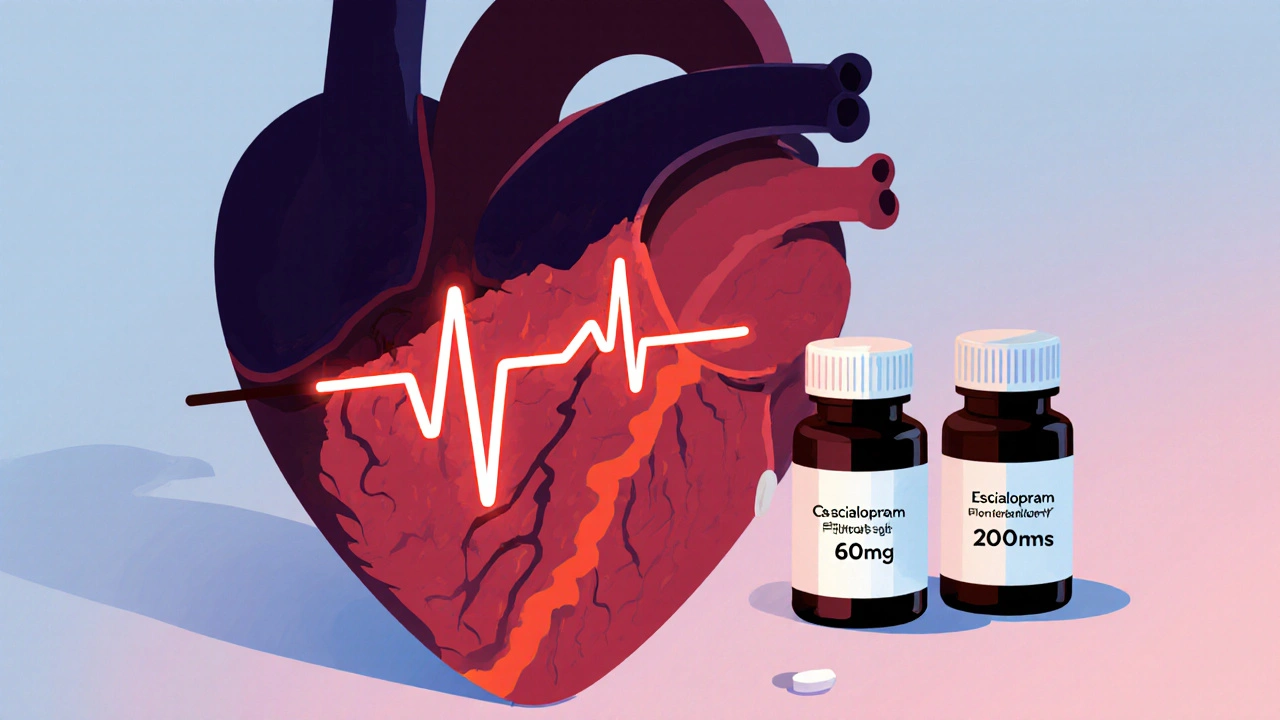
QT Prolongation Antidepressants: Risks, Signs, and Safer Choices
When you take an antidepressant, a medication used to treat depression and some anxiety disorders by balancing brain chemicals. Also known as antidepressive agents, it can help you feel like yourself again—but not all are equally safe for your heart. One hidden risk is QT prolongation, a delay in the heart’s electrical recovery phase that can lead to irregular, potentially deadly heartbeats. This isn’t just a footnote in the prescribing info—it’s a real concern, especially if you’re on multiple meds, have a history of heart issues, or are older.
Not every antidepressant causes this. But some, like clomipramine, a tricyclic antidepressant often used for OCD and depression, carry a higher risk. Others, like certain SSRIs and SNRIs, can too—especially at high doses or when mixed with other drugs that affect heart rhythm. The result? A condition called Torsades de Pointes, a specific type of dangerous ventricular arrhythmia linked to prolonged QT intervals. It’s rare, but it can be fatal if not caught early. Symptoms like sudden dizziness, fainting, or palpitations aren’t just "bad days"—they could be your heart trying to tell you something.
Doctors don’t avoid these meds entirely. They weigh the benefits against the risks. If you’re on one of these antidepressants, your provider might check your EKG before starting or after a dose change. They’ll also ask about other meds you take—antibiotics, antifungals, even some antihistamines can stack the risk. If you’ve got a family history of sudden cardiac death or electrolyte imbalances (low potassium or magnesium), that changes the game. The goal isn’t to scare you off treatment, but to make sure your mental health care doesn’t accidentally hurt your heart.
Below, you’ll find real-world guides on antidepressants that affect heart rhythm, how to spot warning signs, and what alternatives exist. Some posts compare clomipramine with safer options. Others explain how drug interactions can push QT prolongation from a theoretical risk to a real emergency. You’ll also see how patient perception and medication history play into how side effects show up. This isn’t just about lists—it’s about knowing what to ask, what to watch for, and how to stay safe while getting better.
Citalopram and escitalopram are effective antidepressants but carry QT prolongation risks at higher doses. Learn the safe limits, who's most at risk, and why escitalopram is often preferred over citalopram for heart safety.