Paragraph IV Certification: What It Means for Generic Drugs and Drug Prices
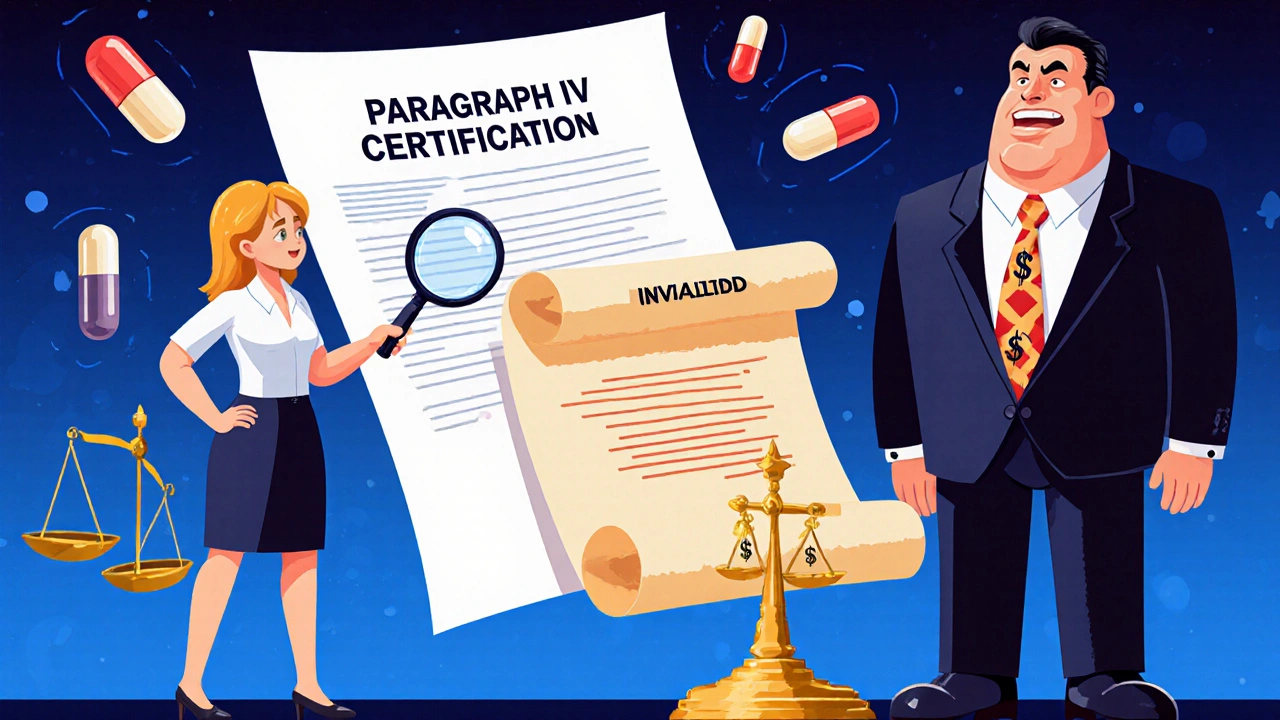
When a company wants to sell a generic version of a brand-name drug, it must file an ANDA, a legal application to the FDA to prove a generic drug is the same as the brand-name version. One critical step in this process is the Paragraph IV certification, a formal notice that the generic maker believes a patent on the brand drug is invalid, unenforceable, or won’t be infringed. This is the legal tool that lets generics challenge patents and bring down prices. Without it, most generic drugs would wait years after the brand’s patent expires before they could be sold.
Paragraph IV certification is part of the Hatch-Waxman Act, a 1984 law designed to balance innovation and access by speeding up generic approvals while protecting patent rights. It’s not just paperwork—it’s a strategic move. The first generic company to file a Paragraph IV certification can get 180 days of market exclusivity, meaning no other generics can enter until that period ends. That’s why companies race to file. It also forces brand-name drugmakers to defend their patents in court, which often leads to settlements or patent expirations sooner than expected. This system is why you can now buy generic versions of drugs like Lipitor, Nexium, or Xarelto at a fraction of the original cost.
But it’s not simple. Filing a Paragraph IV certification means you’re risking a lawsuit. Brand-name companies often sue to block the generic, and legal battles can last years. If the generic wins, it gets the 180-day exclusivity. If it loses, it can’t sell until the patent expires. That’s why not every generic maker files one—only those confident in their legal position. This process directly affects what drugs are available, when they become affordable, and who gets access first.
What you’ll find in the posts below is a collection of real-world examples showing how this system plays out. From how authorized generics undercut brand prices to why some drugs take longer to go generic, these articles show the hidden mechanics behind your prescription. You’ll see how patent challenges, FDA rules, and legal filings shape the medicines on your pharmacy shelf—and why some cost less than others.
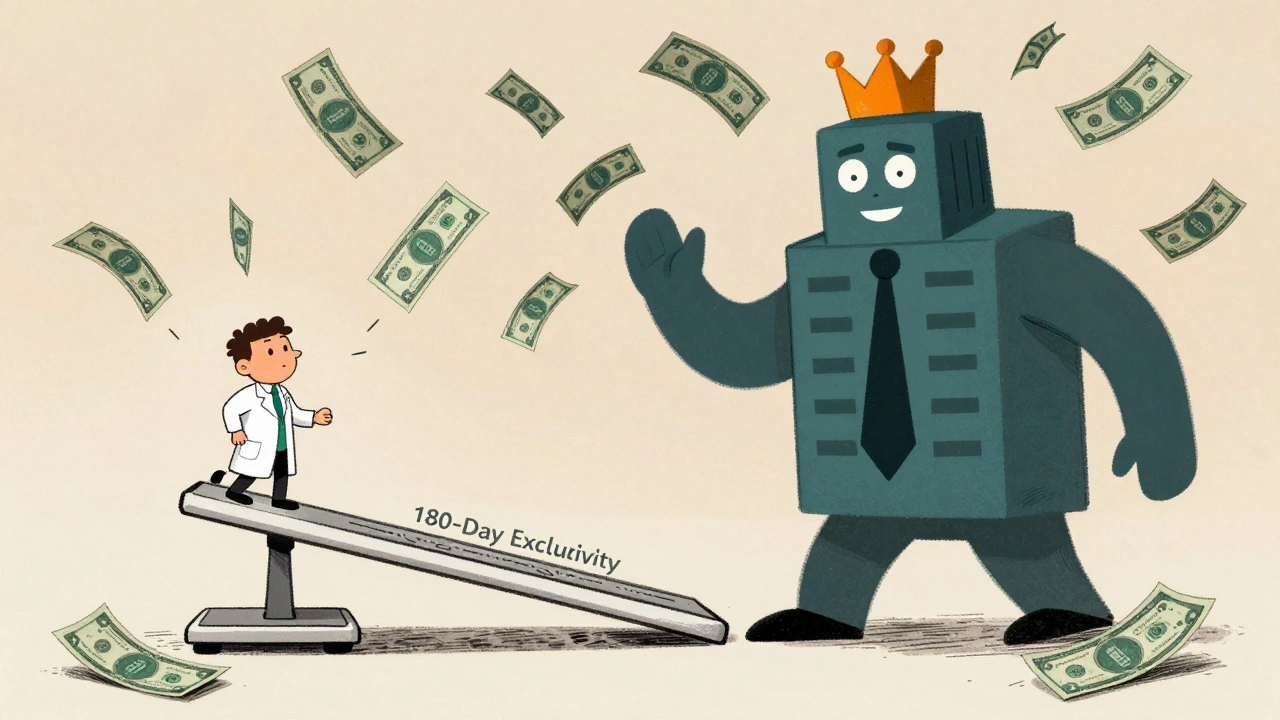
The FDA's 180-day exclusivity gives the first generic drug maker to challenge a patent a head start on the market. But loopholes let companies delay launches, costing patients billions. Here's how it works - and why reform is coming.
Paragraph IV certifications allow generic drug makers to legally challenge brand-name patents before launch. This Hatch-Waxman Act mechanism has saved over $1.7 trillion since 1984 by accelerating generic entry and rewarding the first challenger with 180 days of exclusivity.
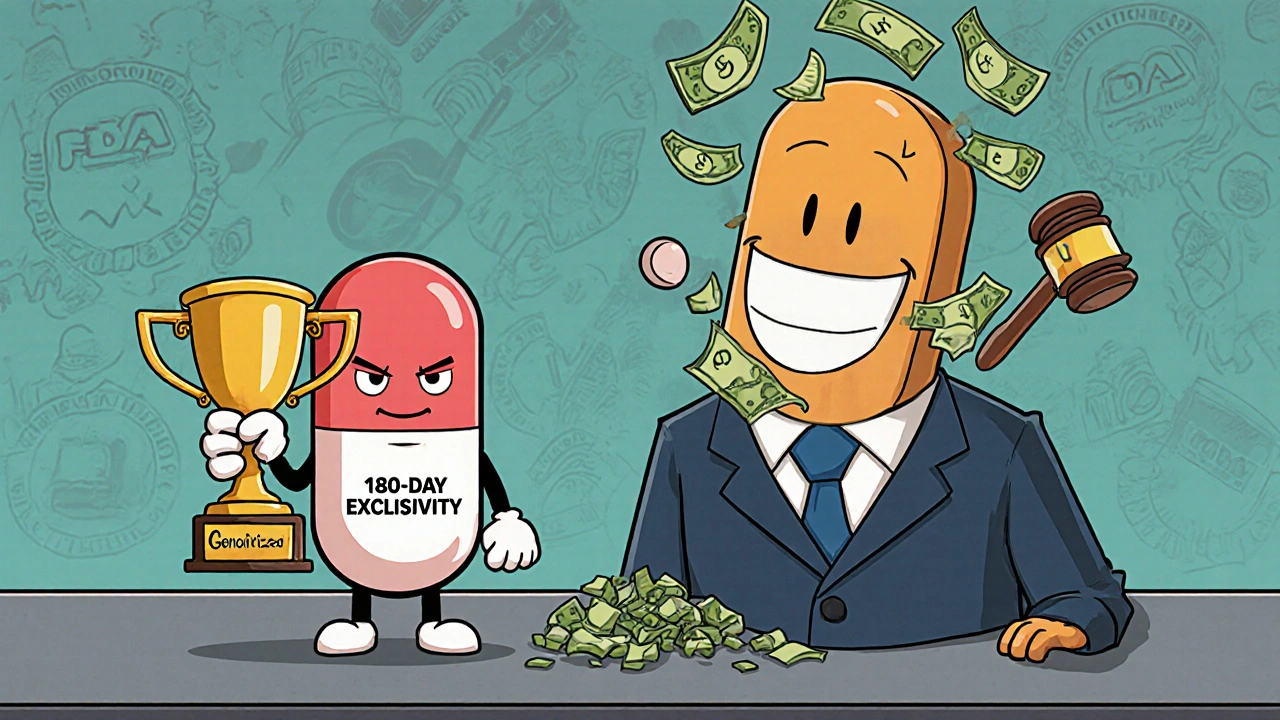
The 180-day exclusivity for generic drugs was meant to reward patent challengers-but authorized generics let brand-name companies undercut them. Learn how this legal loophole affects drug prices, competition, and patient access.