Hatch-Waxman Act: How Generic Drugs Got Their Foot in the Door
When you pick up a generic pill at the pharmacy, you’re seeing the result of a 1984 law called the Hatch-Waxman Act, a U.S. law that created a legal pathway for generic drugs to enter the market without repeating expensive clinical trials. Also known as the Drug Price Competition and Patent Term Restoration Act, it’s the reason your blood pressure or cholesterol meds cost a fraction of what they did 30 years ago.
This law didn’t just make drugs cheaper—it fixed a broken system. Before Hatch-Waxman, brand-name companies could extend their monopoly by filing endless patent tweaks, while generic makers had no clear way to prove their versions worked the same. The Act changed that by letting generic companies file an Abbreviated New Drug Application, a streamlined FDA submission that relies on the brand’s safety data instead of redoing all the trials. It also gave brand-name drugmakers a limited patent extension to make up for time lost during FDA review. This trade-off—faster generics in exchange for fair patent protection—still shapes how medicines are priced and accessed today.
It’s not perfect. Some brand-name companies still use legal tricks to delay generics, like paying them to stay off the market or tweaking formulations just enough to reset patents. But the core of Hatch-Waxman holds: if a generic drug has the same active ingredient, dose, and route of delivery as the brand, and meets FDA standards, it’s just as safe and effective. That’s why you can now buy generic versions of everything from lisinopril to sertraline for pennies on the dollar.
What you’ll find here are articles that tie directly into this system. You’ll read about how patient perception affects generic use, why some drugs like ranitidine vanished and got replaced, how dosing for generics like clomipramine compares to brand names, and how the FDA approves drugs under this framework. These aren’t just random posts—they’re the real-world outcomes of the Hatch-Waxman Act playing out in clinics, pharmacies, and living rooms across the country. Whether you’re paying out of pocket or on insurance, this law is quietly shaping your healthcare costs every single day.
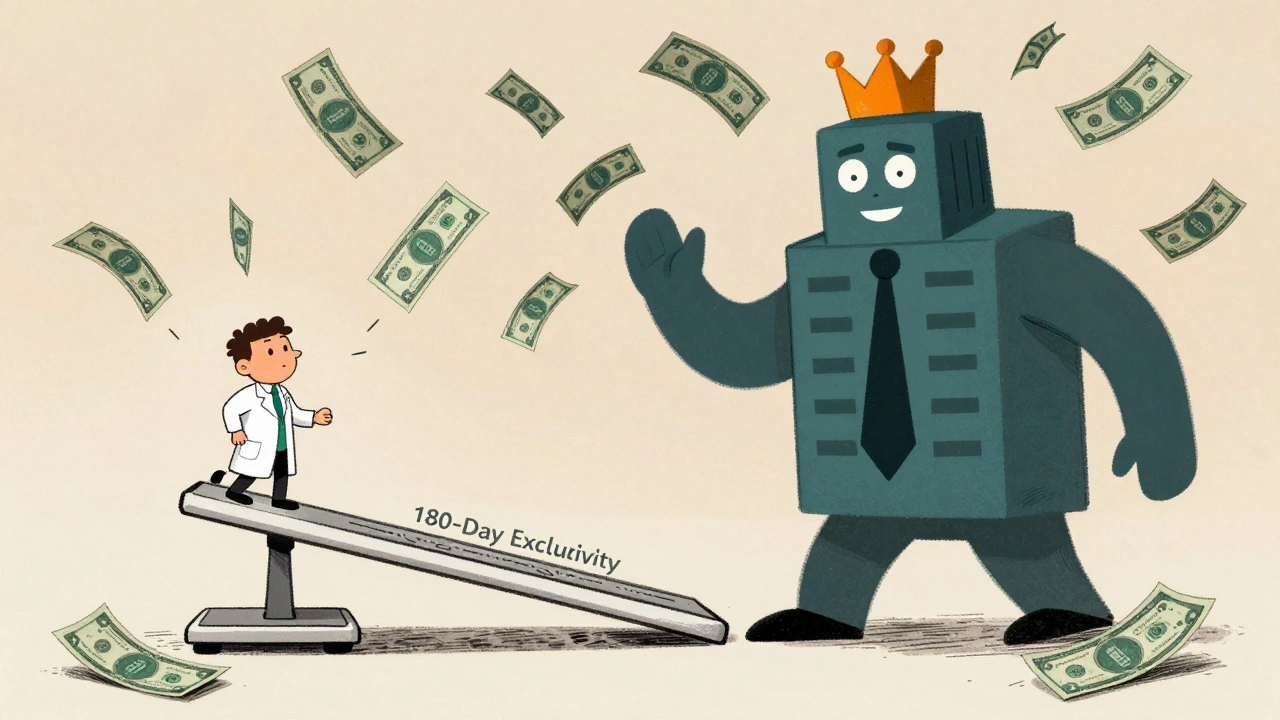
The FDA's 180-day exclusivity gives the first generic drug maker to challenge a patent a head start on the market. But loopholes let companies delay launches, costing patients billions. Here's how it works - and why reform is coming.
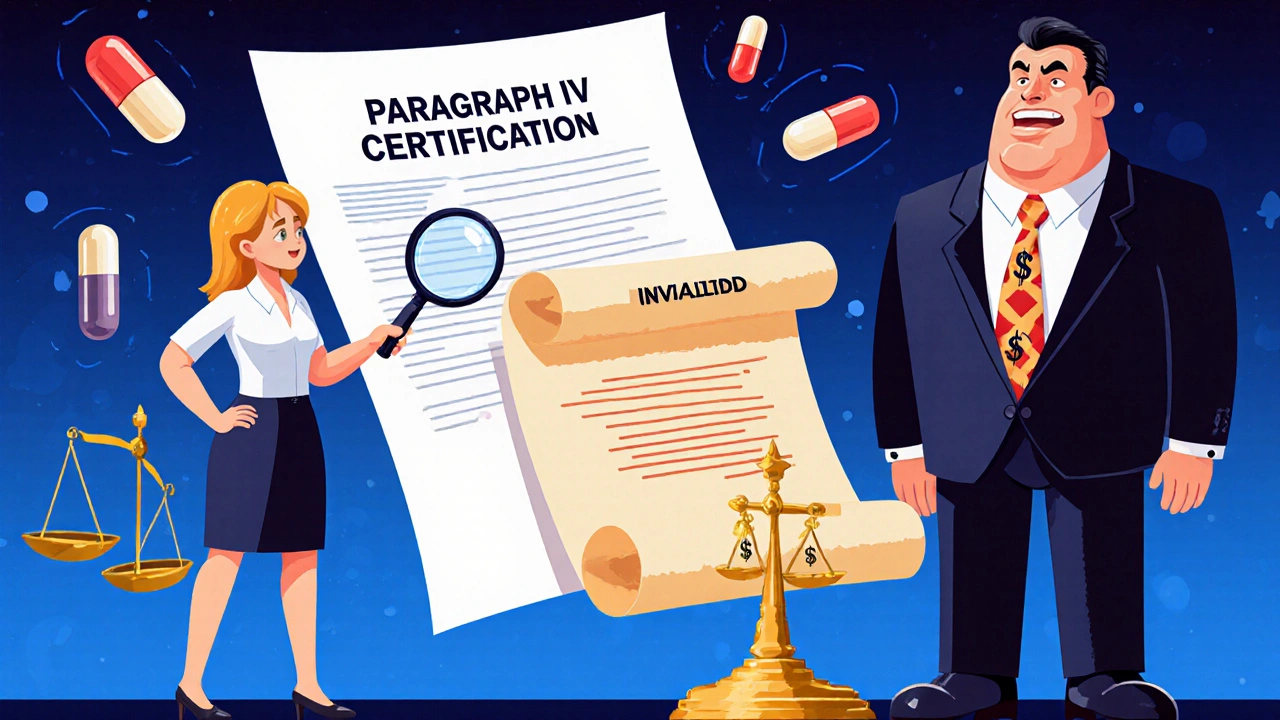
Paragraph IV certifications allow generic drug makers to legally challenge brand-name patents before launch. This Hatch-Waxman Act mechanism has saved over $1.7 trillion since 1984 by accelerating generic entry and rewarding the first challenger with 180 days of exclusivity.
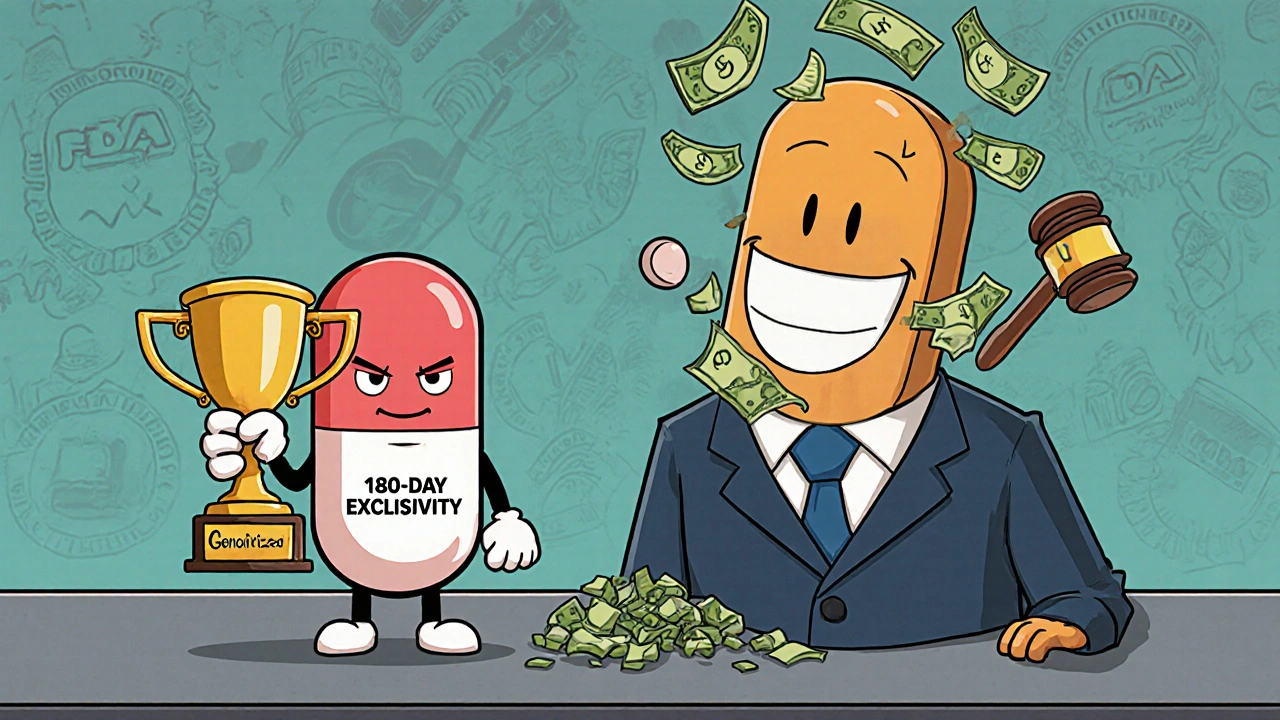
The 180-day exclusivity for generic drugs was meant to reward patent challengers-but authorized generics let brand-name companies undercut them. Learn how this legal loophole affects drug prices, competition, and patient access.
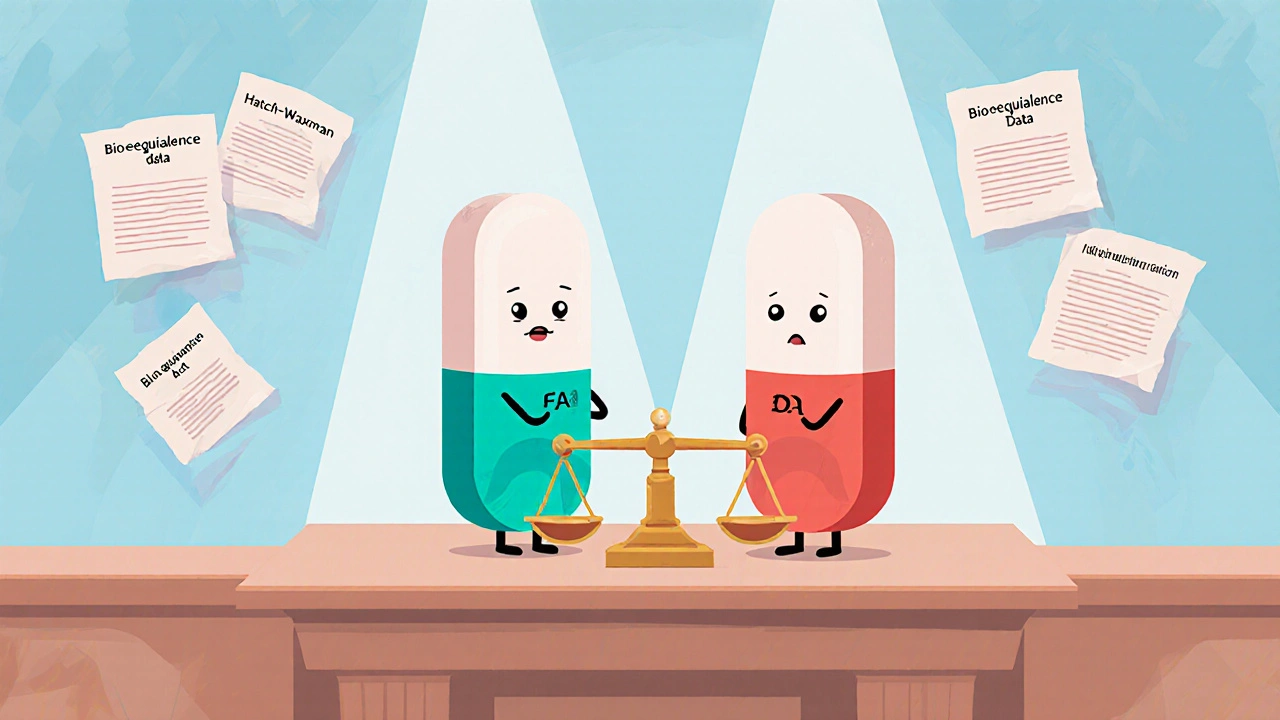
The ANDA process is the legal pathway for generic drug approval in the U.S., requiring strict proof of bioequivalence, manufacturing quality, and patent compliance under the Hatch-Waxman Act. Learn the key requirements, fees, and challenges.