Fertility Preservation: Options, Risks, and What You Need to Know
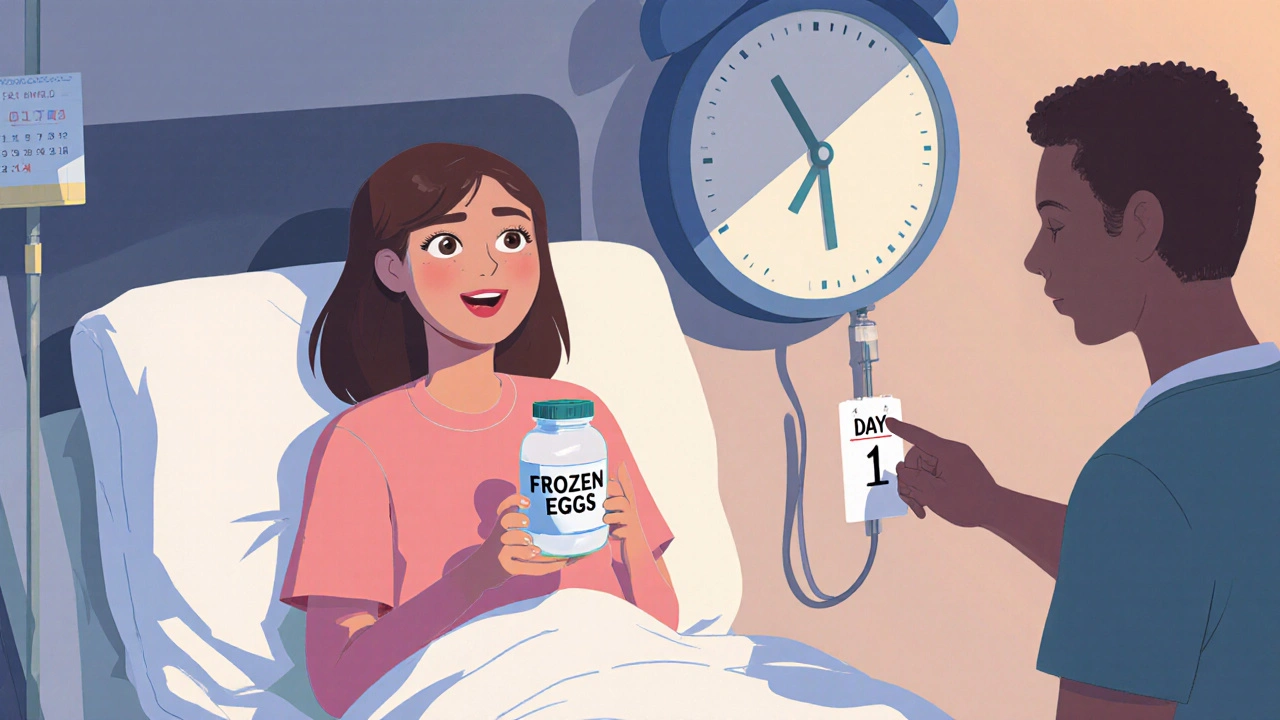
When someone faces cancer treatment, surgery, or a genetic condition that could end their ability to have kids, fertility preservation, the process of saving eggs, sperm, or embryos for future use. Also known as reproductive banking, it gives people a chance to build a family even after treatments that damage fertility. This isn’t just for people planning to delay parenthood—it’s a medical necessity for many facing life-changing health decisions.
Most common methods include egg freezing, harvesting and chilling unfertilized eggs for later use with IVF, and sperm freezing, storing semen samples for future artificial insemination or IVF. For those already in a relationship, embryo freezing, fertilizing eggs with sperm before freezing offers higher success rates. These procedures rely on cryopreservation, the ultra-cold storage of biological material using liquid nitrogen. It’s not magic—it’s science, and it works. But timing matters. The younger you are when you freeze, the better your chances later.
People with cancer often rush into fertility preservation before chemo or radiation starts. Women with early menopause risk, transgender individuals on hormone therapy, and those with autoimmune diseases like lupus also benefit. Even people with strong family histories of early infertility are choosing to bank sperm or eggs as a precaution. The process isn’t simple or cheap, but for many, it’s the only way to keep hope alive.
What you won’t find in every clinic is the full picture. Some promise success rates that ignore age, health, or how many cycles you can afford. Others don’t tell you that freezing eggs doesn’t guarantee a baby—just the chance. And while sperm freezing is straightforward, egg freezing requires hormones, injections, and surgery. It’s physical, emotional, and expensive. But it’s also one of the few medical interventions that gives control back when everything else feels out of your hands.
Below, you’ll find real, detailed guides on what these procedures actually involve—from the first hormone shot to the day you thaw and try to conceive. No fluff. No marketing. Just what works, what doesn’t, and what you need to ask your doctor before you sign anything.
Learn the proven options for preserving fertility before chemotherapy - from egg and sperm freezing to ovarian tissue banking. Understand what works, what doesn’t, and how to act fast before treatment begins.