Egg Freezing Before Chemo: What You Need to Know About Preserving Fertility
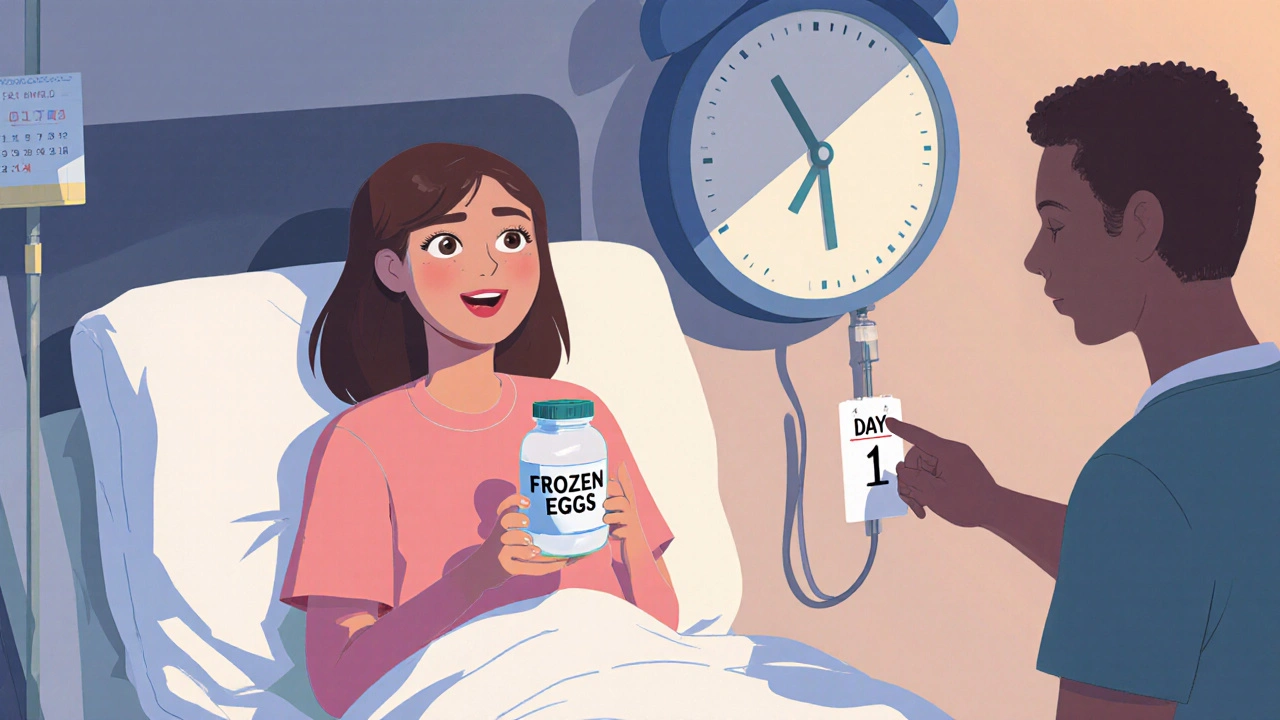
When egg freezing before chemo, a medical process where a woman’s eggs are harvested and frozen for future use before undergoing cancer treatment. Also known as oocyte cryopreservation, it’s a critical option for women who want to have biological children after chemotherapy or radiation. Cancer treatments don’t just target tumors—they can damage the ovaries, lower egg count, or trigger early menopause. For many, egg freezing isn’t a luxury—it’s a lifeline.
It’s not just about freezing eggs. The process starts with hormone stimulation, a 10- to 14-day cycle of daily injections to boost egg production. This is followed by a minor outpatient procedure to retrieve the eggs under light sedation. The eggs are then frozen using a technique called vitrification, which prevents ice crystals from forming and damaging them. Success rates depend on age, ovarian reserve, and how many eggs are frozen—women under 35 typically have the best outcomes. Many women don’t realize they have a narrow window to act. Some oncologists now recommend discussing fertility options within days of diagnosis. Time matters. Delaying chemo by even a few weeks to freeze eggs can make a big difference.
Ovarian reserve, the number and quality of eggs left in the ovaries. Also known as AMH levels, it’s measured through a simple blood test and ultrasound. Low reserve doesn’t mean freezing won’t work, but it does mean fewer eggs may be retrieved. That’s why some women combine egg freezing with IVF before cancer treatment, a process where eggs are fertilized in a lab and embryos are frozen instead. Embryos often survive freezing better than unfertilized eggs, but this requires a partner or donor sperm. Not everyone can afford it. Insurance rarely covers it unless you’re in a state with mandates. But some clinics offer payment plans, and nonprofit groups help cover costs for cancer patients.
There’s no one-size-fits-all answer. Some women freeze eggs and never use them. Others go on to have healthy babies years later. The emotional weight of this decision is real—fear, hope, grief, and urgency all mix together. That’s why talking to a reproductive endocrinologist before starting chemo is non-negotiable. You’re not just making a medical choice—you’re protecting a future version of yourself.
Below, you’ll find real-world stories, clinical insights, and practical advice from women who’ve walked this path—and the doctors who guide them. Whether you’re considering egg freezing, supporting someone who is, or just trying to understand what’s possible, these posts give you the facts without the fluff.
Learn the proven options for preserving fertility before chemotherapy - from egg and sperm freezing to ovarian tissue banking. Understand what works, what doesn’t, and how to act fast before treatment begins.