Report Drug Side Effects: How to Notify Authorities and Protect Others
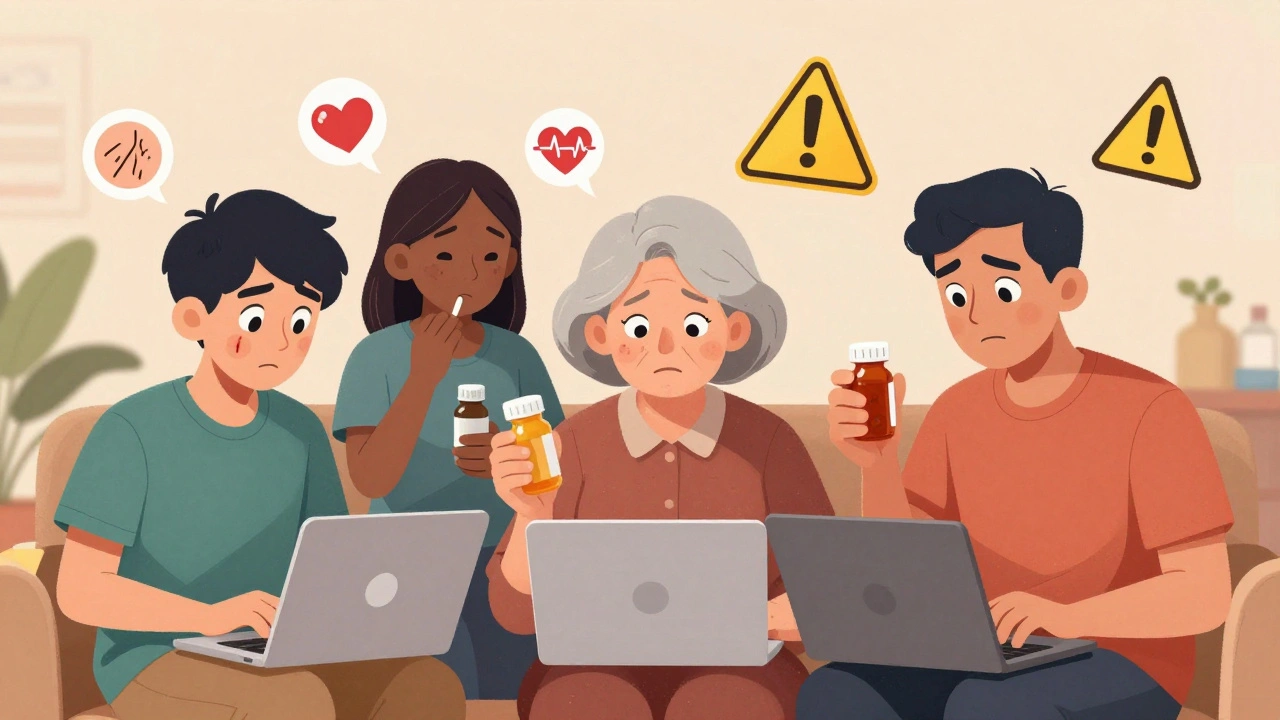
When you experience an unexpected reaction to a medication, you’re not just dealing with a personal health issue—you’re helping improve drug safety for everyone. Report drug side effects, the formal process of notifying health regulators about harmful or unusual reactions to medications. Also known as adverse drug reaction reporting, this step is a critical part of pharmacovigilance, the science of detecting, assessing, and preventing drug-related harm. It’s not just for doctors or hospitals. Anyone who takes medicine can—and should—file a report when something feels wrong.
Many people don’t realize that the FDA MedWatch, the U.S. system for collecting reports on unsafe drugs and medical devices relies entirely on public input. Even if your reaction seems minor—a rash, dizziness, or unusual fatigue—it could be the early sign of a larger pattern. When enough people report the same issue, regulators can investigate, update warnings, or even pull a drug off the market. That’s how clozapine’s ANC monitoring rules changed, or why ranitidine was pulled for cancer risks. Your report adds real data to the system, not just theory.
It’s not just about the drug itself. Drug interactions, how one medication affects another in the body, often cause side effects that aren’t listed on the label. Take SSRIs and bleeding risk: combining them with aspirin or blood thinners can lead to unexpected bruising or nosebleeds. Or consider digoxin generics—tiny differences in absorption can cause toxicity, even if the FDA says they’re equivalent. These are exactly the kinds of real-world problems that get missed in clinical trials but show up in daily use. That’s why reporting matters: it fills the gaps between lab results and lived experience.
You don’t need to be a medical expert to file a report. Just note what you took, when you started, what happened, how long it lasted, and if anything made it better or worse. If you’re unsure, check your pharmacy’s website or call your doctor. The system is built for you—not to blame, but to protect. And the more reports they get, the faster they catch problems before they hurt more people.
Below, you’ll find real cases where side effect reports changed how drugs are used—from clozapine to SSRIs to generic switches. These aren’t hypotheticals. They’re stories of people who spoke up, and how their reports helped shape safer medicine for everyone.
Learn how to report medication side effects to the FDA using MedWatch. Step-by-step guide for patients, caregivers, and healthcare providers on submitting adverse event reports to improve drug safety.