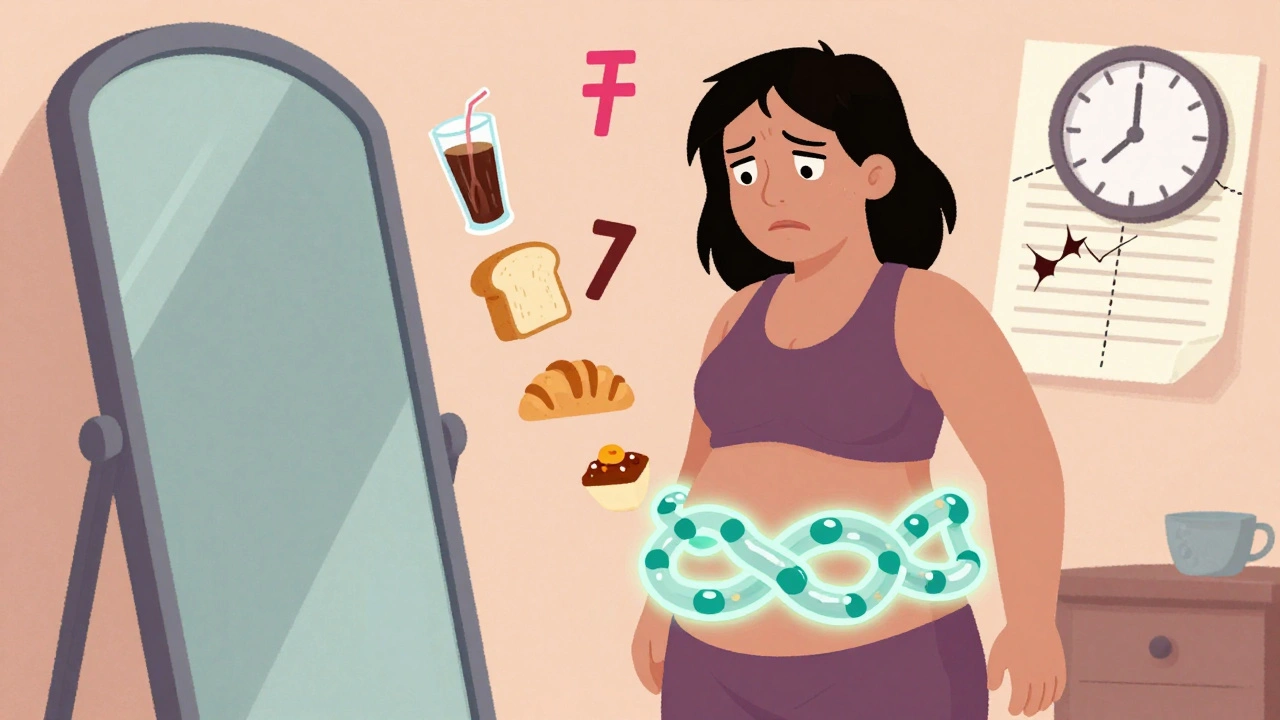
Insulin Resistance PCOS: Causes, Symptoms, and What You Can Do
When you have insulin resistance PCOS, a condition where the body’s cells don’t respond properly to insulin, leading to high blood sugar and hormonal imbalance. It’s not just about being overweight—it’s a metabolic problem that drives many of the symptoms of polycystic ovary syndrome, a hormonal disorder affecting up to 1 in 10 women of reproductive age. Also known as PCOS with insulin resistance, this version of the condition is the most common and often the hardest to manage without targeted changes.
Insulin resistance PCOS isn’t just about ovaries. It’s about your whole metabolism. When your body can’t use insulin well, your pancreas pumps out more of it. That extra insulin tells your ovaries to make more testosterone, which messes with your cycle, causes acne, and leads to unwanted hair growth. It also makes it harder to lose weight, even when you eat right and exercise. Many women with this condition also have metabolic syndrome, a cluster of conditions including high blood pressure, belly fat, and abnormal cholesterol, which raises your risk for type 2 diabetes and heart disease later in life. The good news? Fixing insulin resistance can reverse many of these symptoms.
What helps? Lifestyle changes are the first line of defense. Cutting back on sugar and refined carbs, eating more protein and fiber, and moving your body regularly—even just walking—can dramatically improve insulin sensitivity. Medications like metformin are often prescribed because they help your body use insulin better, not just lower blood sugar. But even if you’re on meds, diet and movement are what make the difference long-term. Many women see their periods return, their skin clear up, and their energy improve within months of making consistent changes.
You won’t find a magic pill for insulin resistance PCOS, but you also don’t need to wait for one. The tools to manage it are already here: better food choices, regular activity, and understanding how your body responds. The posts below cover real strategies—from how certain medications affect your hormones, to what blood tests actually tell you about your insulin levels, to why some supplements might help and others won’t. You’ll find practical advice on managing symptoms, avoiding common mistakes, and making changes that stick. This isn’t about quick fixes. It’s about understanding what’s really going on inside your body—and what you can do about it.
PCOS makes weight loss hard because of insulin resistance. Learn how high insulin drives belly fat, cravings, and hormonal issues-and what to eat to break the cycle and improve your health.