Expired Medication: What Happens When Pills Go Bad and What to Do
When you find an old bottle of pills in the back of your medicine cabinet, you might wonder: is it still good? Expired medication, a drug that has passed its manufacturer’s labeled expiration date. Also known as out-of-date medicine, it’s not automatically poison—but it’s rarely as strong as it should be. The expiration date isn’t just a marketing trick. It’s the last day the manufacturer guarantees the drug will work as intended, under proper storage conditions. Most pills don’t turn toxic after that date, but they do lose potency. A 2012 FDA study found that 90% of more than 100 drugs, both prescription and over-the-counter, were still effective even 15 years past their expiration date. But that doesn’t mean you should take them. Some drugs, like insulin, nitroglycerin, or liquid antibiotics, break down fast and can become useless—or even harmful—if used after expiring.
Medication storage, how you keep your drugs at home. Also known as pharmaceutical storage, it plays a huge role in how long a pill stays effective. Heat, moisture, and light are the real enemies. Storing aspirin in a bathroom cabinet? That’s a bad idea. Humidity can turn it into vinegar-like acid. Tetracycline antibiotics can degrade into toxins if exposed to moisture. Even a bottle left in a hot car can ruin your medication. The difference between a pill that works and one that doesn’t often comes down to where you kept it—not just when it was made. Drug safety, the practices that keep medications effective and harmless. It’s not just about expiration dates. It’s about how you handle, store, and dispose of your meds.
Some people think taking an expired painkiller or allergy pill is harmless. Maybe it is—but what if it’s not? If you’re treating a serious condition like heart disease, epilepsy, or infection, even a small drop in potency can be dangerous. A weak antibiotic might not kill all the bacteria, leading to resistant strains. A half-strength blood thinner could let a clot form. You wouldn’t drive a car with 30% less brake power—why take medicine that might not work?
So what should you do? First, check the label. If it says "discard after" and it’s past that date, toss it. Second, look at the pill. Is it crumbly, discolored, or smells weird? Don’t take it. Third, don’t flush most meds down the toilet—use a drug take-back program or a pharmacy drop box. Many pharmacies offer free disposal. And if you’re unsure? Call your pharmacist. They’ve seen it all. They’ll tell you if it’s safe or not, no judgment.
Below, you’ll find real-world guides on how expired medication affects your health, what to do with old pills, and how storage tricks can make your meds last longer. You’ll also learn about drugs that are especially risky after expiration, why some people still take them, and how to avoid the hidden dangers of outdated medicine. This isn’t about fear. It’s about being smart with what’s in your medicine cabinet.
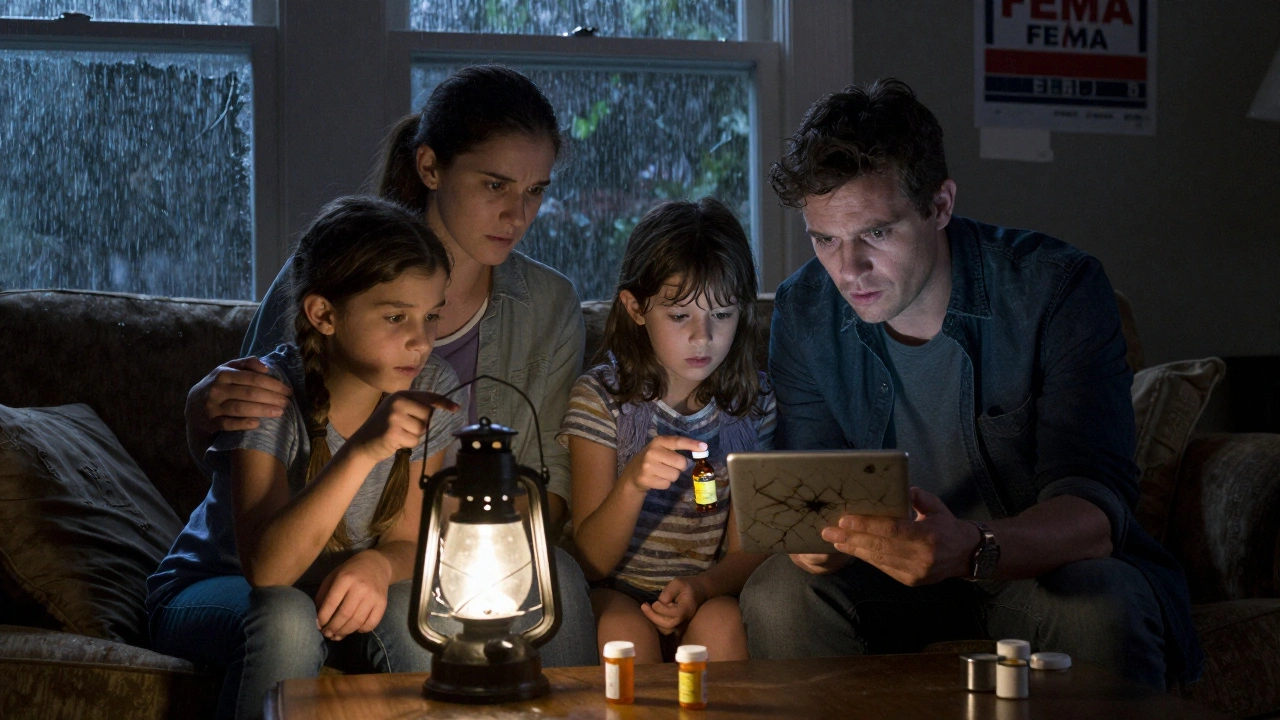
Learn when and how to safely use expired medications during disasters or shortages. Understand which drugs still work, which are dangerous, and what steps to take in an emergency.