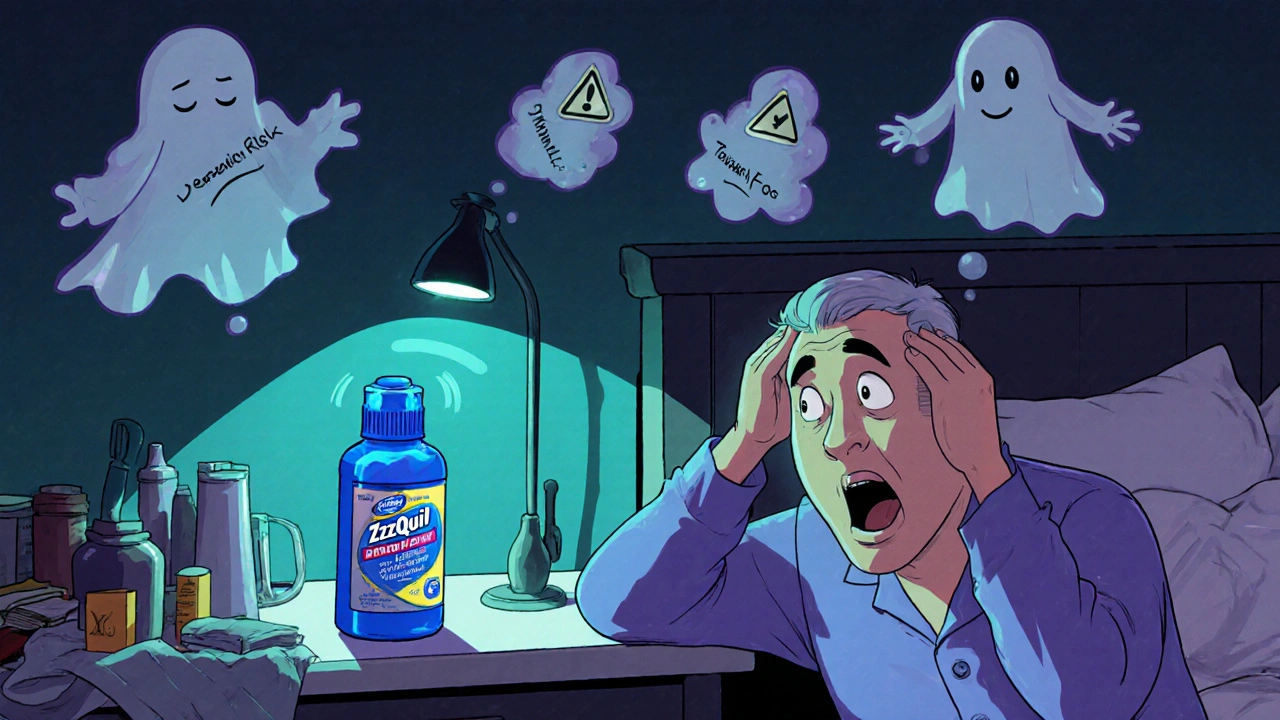
Melatonin vs Diphenhydramine: Which Sleep Aid Is Right for You?
When you can’t sleep, the choices seem simple: reach for melatonin, a hormone your body naturally makes to signal it’s time to sleep. Also known as the sleep hormone, it helps reset your internal clock without causing next-day grogginess in most people. Or grab something like diphenhydramine, an antihistamine found in over-the-counter sleep aids like Benadryl and ZzzQuil. It’s not made for sleep—it’s made for allergies—but it drowsiness as a side effect. Both are sold without a prescription, but they work in completely different ways—and neither is harmless.
Here’s the real difference: melatonin tells your brain it’s nighttime. It’s useful if you’re jet-lagged, work nights, or have a delayed sleep phase. It doesn’t force sleep—it just makes it easier to fall asleep when your body is ready. Diphenhydramine, on the other hand, shuts down histamine, a chemical that keeps you alert. That’s why you feel sleepy. But your body doesn’t adapt to this signal the way it does with melatonin. Over time, diphenhydramine loses its power, and you need more to get the same effect. Worse, it can leave you foggy the next day, dry your mouth, mess with your memory, and even raise your risk of dementia if used long-term. A 2015 study in JAMA Internal Medicine found regular use of antihistamines like diphenhydramine was linked to higher dementia risk in older adults.
So who should take what? If you’re young, healthy, and just need a gentle nudge to fall asleep, melatonin at 0.5 to 3 mg is usually enough. If you’ve tried it and still can’t sleep, or if you’re dealing with anxiety-driven insomnia, diphenhydramine might seem like a quick fix—but it’s a trap. It doesn’t fix the problem; it masks it. And if you’re over 65, have glaucoma, trouble urinating, or heart issues, diphenhydramine could be dangerous. Melatonin is safer for most people, even long-term, but it won’t help if your insomnia is caused by stress, pain, or sleep apnea. Those need different solutions.
Neither is a magic pill. But knowing how they work helps you pick the right one—or avoid both until you figure out what’s really keeping you awake. Below, you’ll find real-world comparisons, user experiences, and expert advice on when to use each, what doses to try, and what to watch out for. No hype. Just facts.
Diphenhydramine sleep aids like Benadryl and ZzzQuil may help you fall asleep fast, but they come with serious risks-especially for older adults. Learn why doctors advise against them and what safer, more effective alternatives actually work.