Decision-Making Errors in Healthcare: How Mistakes Happen and How to Avoid Them
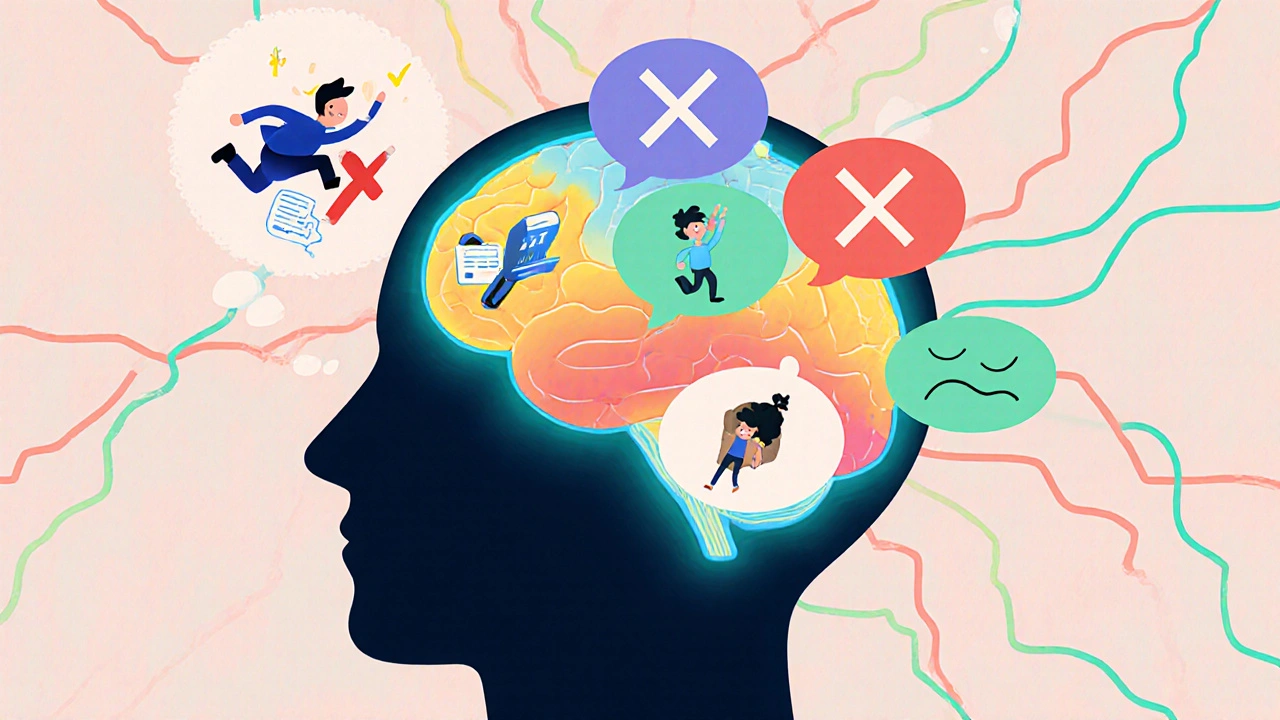
When it comes to your health, decision-making errors, mistakes in choosing treatments, medications, or procedures due to flawed thinking or incomplete information. Also known as cognitive biases in medicine, these errors aren’t just rare accidents—they happen more often than you think, even in top hospitals. A patient switches from brand-name Synthroid to a generic version and suddenly feels worse—not because the drug changed, but because their brain expected it to. That’s the nocebo effect, when negative expectations cause real physical symptoms. It’s not in the pill. It’s in the mind. And it’s one of many invisible traps that lead to poor health choices.
Doctors aren’t immune either. A surgeon might skip a second opinion because they’re confident in their usual method—only to miss a simpler, safer option. That’s anchoring bias, relying too heavily on the first piece of information you hear. Think of it like sticking with a broken GPS because you’re used to it, even when it keeps leading you off route. In medicine, that can mean choosing an outdated drug like ranitidine over safer alternatives, or pushing for glaucoma surgery when MIGS would’ve been enough. These aren’t just technical mistakes—they’re mental shortcuts that cost patients time, safety, and sometimes their health.
And it’s not just about doctors. Patients make these errors too. Someone with chronic pain grabs diphenhydramine for sleep because it’s on the shelf, not knowing it raises dementia risk in older adults. Or they avoid a life-changing Parkinson’s DBS procedure because they heard it’s "too risky," even though they’re a perfect candidate. That’s availability heuristic, judging risk based on what you remember seeing in the news or from a friend. One scary story becomes a rule, not an exception.
These aren’t random blunders. They’re predictable patterns—rooted in how our brains work under pressure, fatigue, or fear. And they show up everywhere: in choosing between citalopram and escitalopram for depression, deciding whether to stop blood thinners before dental work, or picking the right asthma inhaler. The same error that leads someone to avoid generics because they think they’re "inferior" is the same one that makes a doctor overlook a drug interaction with lopinavir because they didn’t check the list.
What’s the fix? It’s not more training. It’s not better tech. It’s learning to pause. Ask: "What am I assuming here?" "What’s the alternative I’m ignoring?" "Could my fear be shaping this choice?" The posts below don’t just list drugs or procedures—they show you how real people got it wrong, why, and how they turned it around. From understanding why mesalamine changes your gut bacteria to knowing when to skip steroid-induced osteoporosis meds, each article cuts through the noise. You’ll see how cognitive traps show up in everyday choices—and how to dodge them before they cost you something real.
Cognitive biases shape how you respond to information-even when you think you're being rational. From confirmation bias to hindsight distortion, these mental shortcuts affect decisions in healthcare, finance, and daily life. Learn how beliefs drive automatic responses-and how to break the cycle.