Bleeding Risk: What You Need to Know About Medications That Increase Bleeding
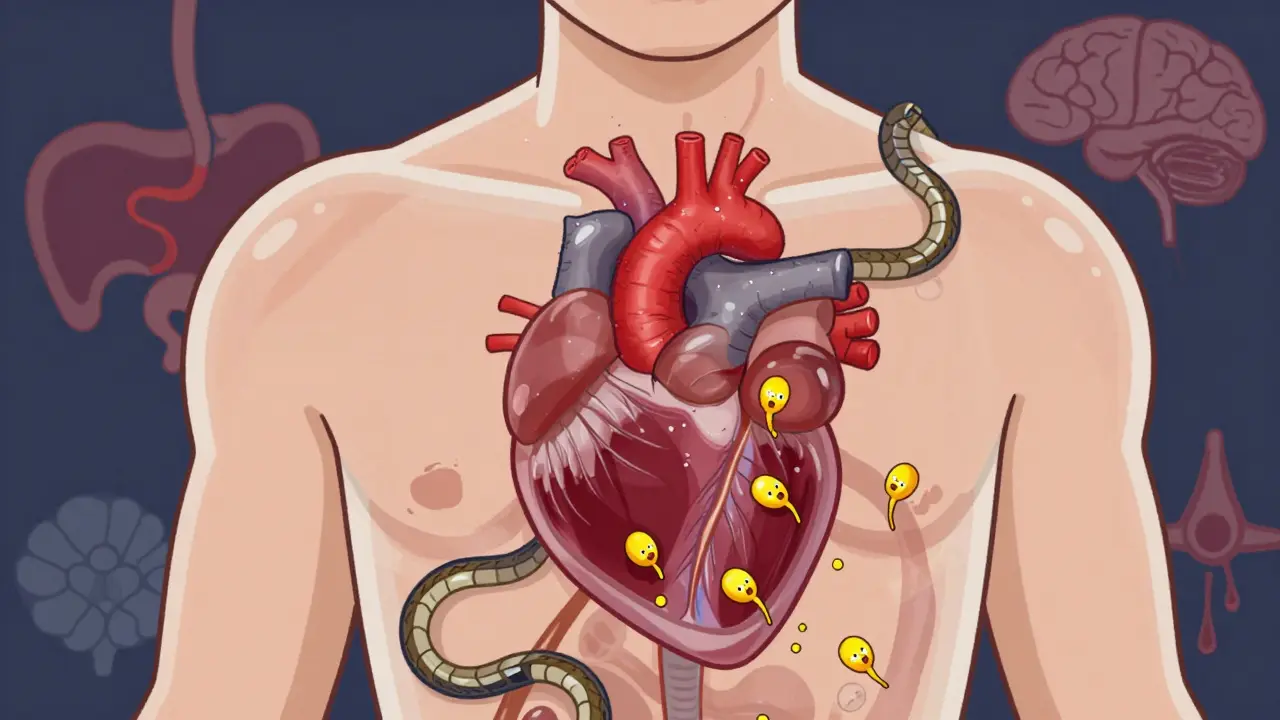
When you take a medication, you expect it to help—not make you more likely to bleed internally or after a minor injury. bleeding risk, the chance that a drug or condition causes uncontrolled or excessive bleeding. Also known as hemorrhagic risk, it’s not just about nosebleeds or bruising—it can mean life-threatening internal bleeding, especially when multiple drugs interact or when you’re older or have other health issues. This isn’t rare. Thousands of people end up in the hospital each year because their meds increased their bleeding risk without them realizing it.
Many of the most common prescriptions carry this hidden danger. anticoagulants, drugs like warfarin or newer options like apixaban that thin the blood to prevent clots are obvious culprits—but so are antiplatelet drugs, like aspirin or clopidogrel, which stop blood platelets from sticking together. Even some antidepressants, like citalopram and escitalopram, can raise bleeding risk by affecting serotonin levels in platelets, especially when taken with NSAIDs or other blood thinners. And it’s not just about one drug. The real danger often comes from combinations: a painkiller plus an SSRI plus a daily aspirin. That’s a triple threat. Older adults, people with kidney or liver problems, and those on multiple medications are at the highest risk. You don’t need to stop your meds—but you do need to know the signs: unusual bruising, blood in urine or stool, prolonged bleeding from cuts, headaches that won’t quit, or dizziness that feels like you’re about to pass out.
What’s surprising is how often this risk is overlooked. Patients assume if a doctor prescribed it, it’s safe. But bleeding risk isn’t always listed as a top warning. It’s buried in the fine print. And many people don’t connect a nosebleed or a black stool to their medication. The good news? You can manage this. Know what you’re taking. Talk to your pharmacist about interactions. Don’t start OTC pain relievers without asking. And if you notice anything off, don’t wait. bleeding risk is serious, but it’s also preventable with awareness and smart choices.
Below, you’ll find real, practical guides from doctors and researchers on medications that affect bleeding, how they interact, who’s most at risk, and what to do if you’re on multiple drugs. No fluff. Just what you need to stay safe.
Combining SSRIs with anticoagulants increases bleeding risk by 33%, especially in the first month. Learn how platelet effects drive this interaction, which drugs carry the highest risk, and what alternatives exist.
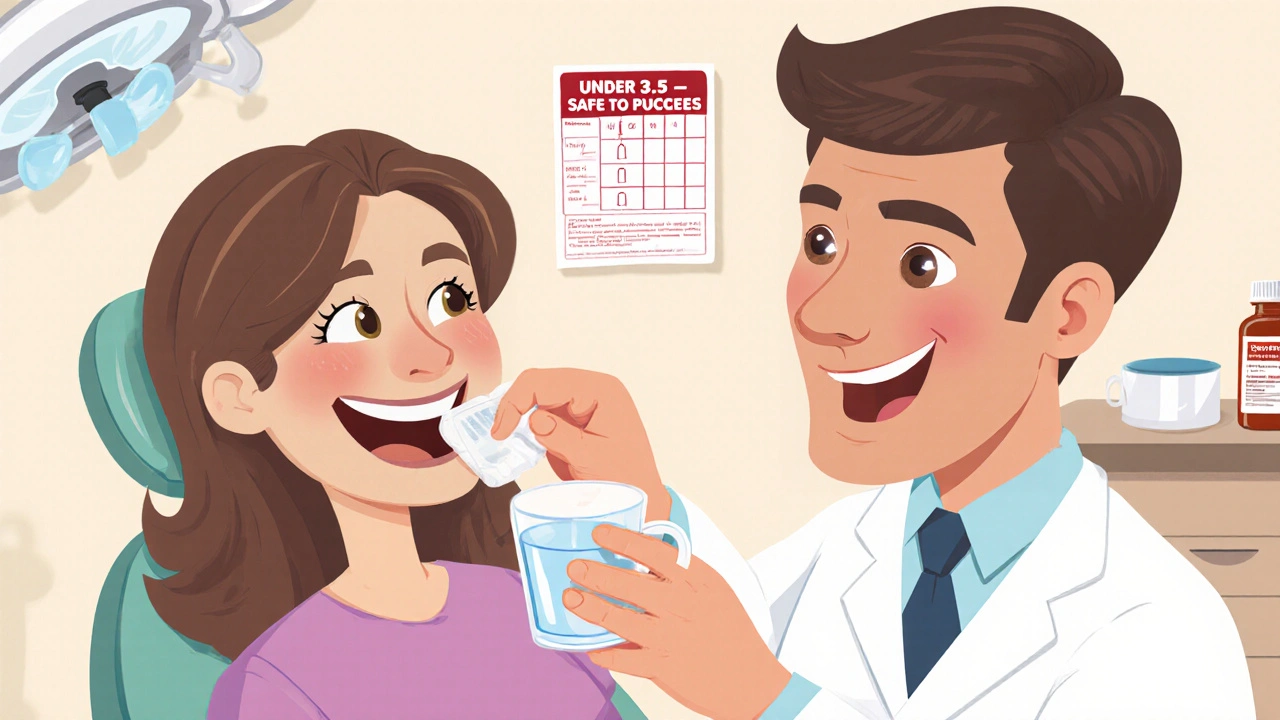
Learn the latest guidelines on dental procedures while taking blood thinners. Discover when to stop or keep your medication, what procedures are safe, and how to prevent dangerous bleeding or clots.