Psychological Biases: How Your Mind Tricks You Into Poor Health Decisions
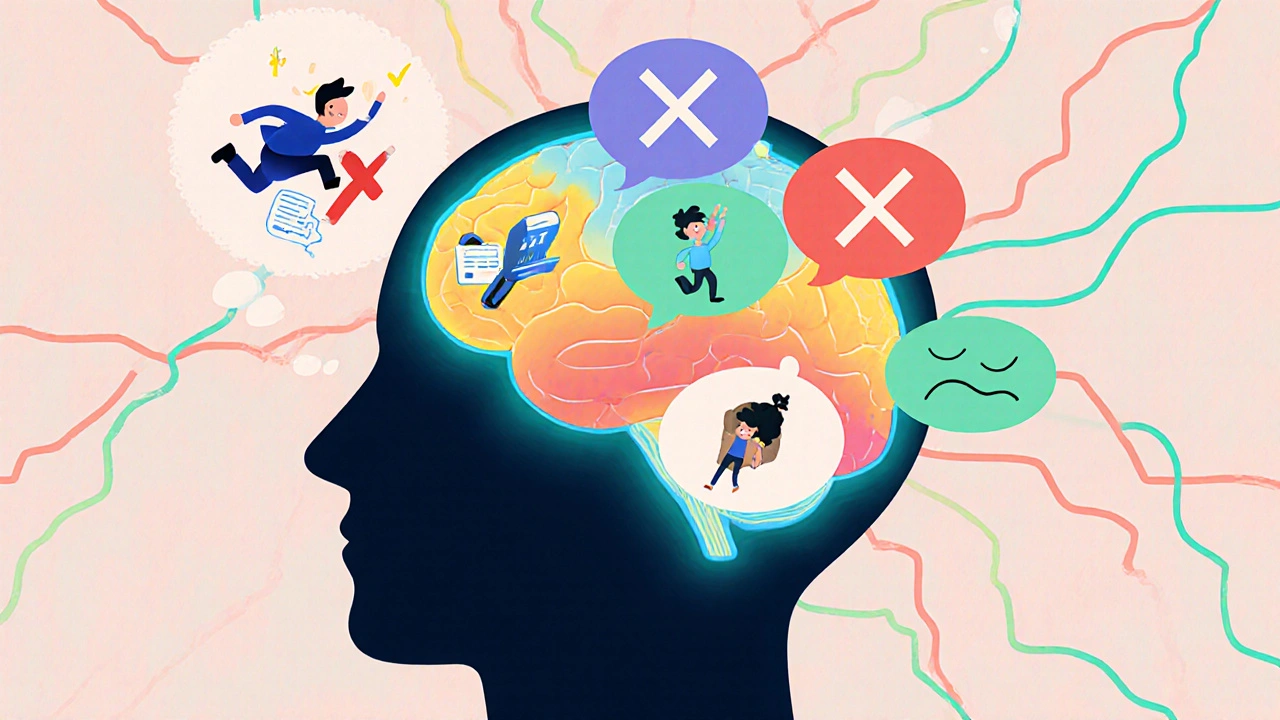
When you switch from a brand-name drug to a generic and suddenly feel worse—even though the ingredients are identical—you’re not imagining it. You’re experiencing the nocebo effect, a harmful reaction caused by negative expectations rather than the drug itself. This isn’t rare. Studies show up to 30% of reported side effects from generics are tied to perception, not chemistry. The same thing happens when you avoid a medication because you heard it "causes weight gain," even if the data says otherwise. Your brain isn’t broken—it’s just wired to take shortcuts. These mental shortcuts are called psychological biases, systematic errors in thinking that distort how we process health information. They affect every decision you make about your meds, from choosing a pill to sticking with a treatment.
One of the most powerful biases is anchoring bias, relying too heavily on the first piece of information you hear. If your doctor says, "This drug might cause nausea," you fixate on that, even if 9 out of 10 people never feel sick. Then there’s confirmation bias, the tendency to notice only evidence that supports what you already believe. You read one review saying "SSRIs made me suicidal," and suddenly all your symptoms feel like proof—even if your doctor says it’s unlikely. These biases don’t just mess with your mood. They affect your blood pressure, your pain levels, even your recovery time after surgery. People who believe generics are inferior report more side effects—even when they’re given the brand-name version but told it’s generic. That’s not placebo. That’s the flip side: the nocebo effect—where negative belief creates real physical symptoms.
And it’s not just patients. Doctors fall for these traps too. They might prescribe a more expensive drug because it’s "better known," even when the data shows no difference. Pharmacists might warn you about a drug interaction based on a single case report, ignoring the bigger picture. These biases are invisible, but they’re driving real outcomes: people stopping meds they need, skipping treatments that could help, or paying more than they have to. The good news? Once you know these traps exist, you can spot them. You can ask: "Is this based on data—or just what I’ve heard?" You can check if your fear is rooted in facts or feelings. You can push back when a side effect list feels like a horror story. The posts below dive into real cases where psychological biases changed how people experienced their meds—from why some think generics don’t work, to how anxiety about side effects turns into actual pain. You’ll see how perception shapes biology, how fear overrides evidence, and how to take back control of your health decisions. This isn’t about being "more positive." It’s about being smarter about what you believe—and why.
Cognitive biases shape how you respond to information-even when you think you're being rational. From confirmation bias to hindsight distortion, these mental shortcuts affect decisions in healthcare, finance, and daily life. Learn how beliefs drive automatic responses-and how to break the cycle.