Drug Pricing: What Drives Costs, Who Controls It, and How It Affects You
When you pick up a prescription, the price tag isn’t random—it’s the result of a complex system built on patents, legal loopholes, and corporate strategy. drug pricing, the cost structure behind medications in the U.S. healthcare system. Also known as pharmaceutical costs, it’s shaped more by market rules than by production expenses. Unlike most products, drugs can jump from pennies to hundreds of dollars overnight, not because they’re harder to make, but because the system lets them.
One major player in this game is the Hatch-Waxman Act, a 1984 law meant to balance innovation and affordability by speeding up generic drug approvals. Also known as Drug Price Competition and Patent Term Restoration Act, it gave generic makers a 180-day window to be the only ones selling a new generic version after challenging a patent. But here’s the twist: brand-name companies can undercut them by launching their own authorized generics, brand-name drugs sold under a generic label at a lower price, often by the same company. This move kills competition before it even starts, and patients pay the price. You might think generics are cheaper because they’re simpler to produce—but often, they’re cheaper because the original maker lets them be, just not at the same time.
It’s not just about legal tricks. The system rewards companies that delay competition, not those that lower costs. A drug that costs $50 to make can sell for $5,000 because no one else is allowed to sell it yet. Even after generics enter, pricing doesn’t always drop as expected. Some manufacturers quietly raise prices year after year, knowing patients have few alternatives.
What you see at the pharmacy isn’t just a reflection of science—it’s a reflection of power. Who holds the patent? Who controls the distribution? Who’s allowed to compete? These aren’t medical questions. They’re legal and financial ones. And they’re happening right now, in every prescription you fill.
Below, you’ll find real breakdowns of how these rules play out—whether it’s the 180-day exclusivity loophole, how authorized generics quietly kill competition, or why some drugs never get cheaper even after patents expire. These aren’t abstract theories. They’re the reasons your copay keeps going up.
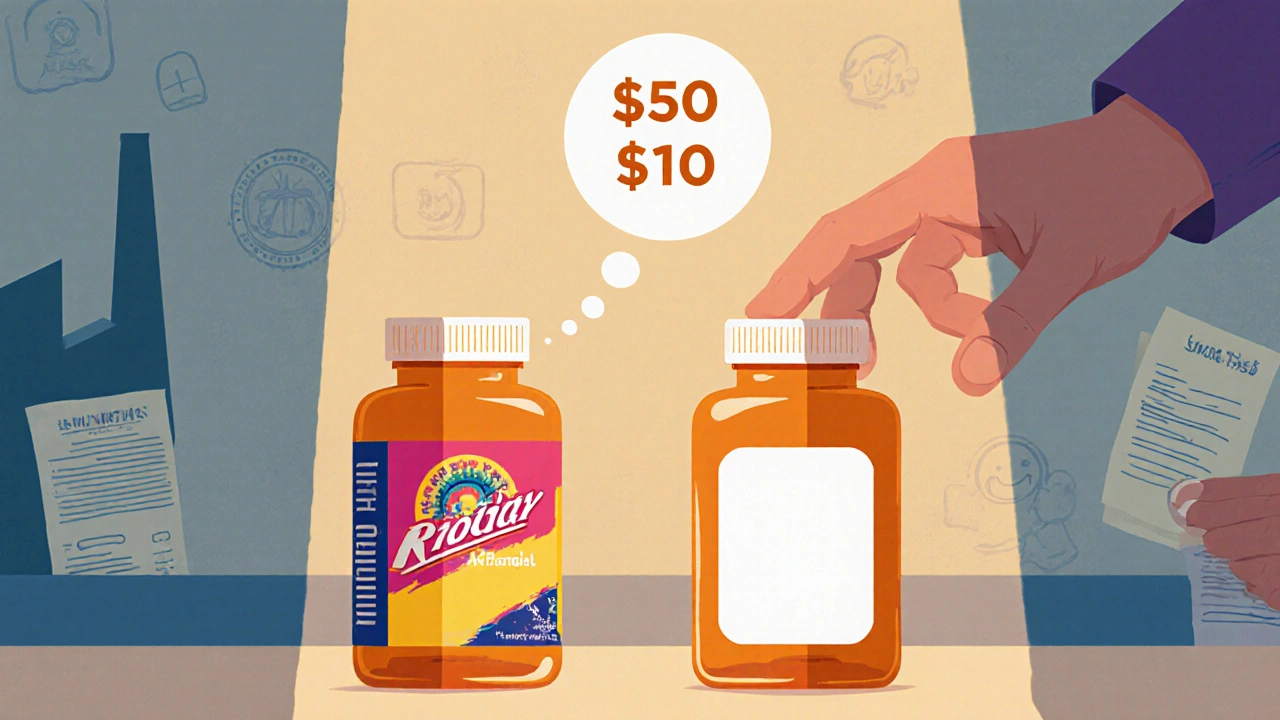
Authorized generics are identical to brand-name drugs but cost less because they skip marketing and branding costs. Learn how they work, why they’re cheaper, and how to get them to save money on prescriptions.