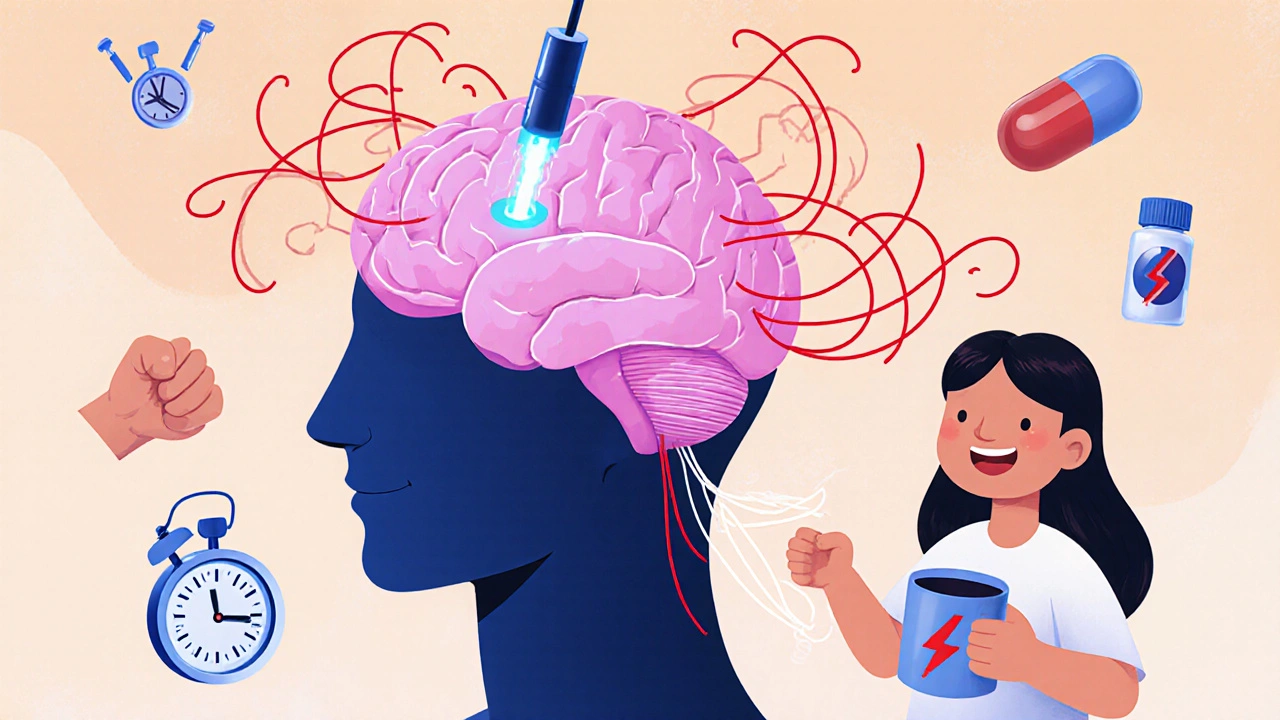
DBS Candidate Selection: Who Qualifies and What Doctors Look For
When we talk about DBS candidate selection, the process of identifying patients who will benefit most from deep brain stimulation. Also known as deep brain stimulation eligibility, it’s not just about having a movement disorder—it’s about matching the right person to the right technology. Deep brain stimulation isn’t a cure-all. It’s a precise tool used for specific conditions when medications stop working well or cause too many side effects. The goal isn’t to treat every patient with tremors or stiffness, but to find those whose symptoms are disabling, predictable, and responsive to medication—yet still uncontrolled.
Doctors look at three main things before recommending DBS. First, the diagnosis: Parkinson’s disease, a progressive neurological disorder causing tremors, slowness, and stiffness is the most common reason, but only if symptoms have been stable for at least four years and respond clearly to levodopa. Second, the absence of major cognitive or psychiatric issues—someone with severe depression, dementia, or hallucinations usually won’t be a good fit. Third, the physical ability to tolerate surgery and commit to long-term follow-up. It’s not just about the brain—it’s about the whole person. Essential tremor, a neurological condition causing uncontrollable shaking, often in the hands, and dystonia, a movement disorder causing involuntary muscle contractions also qualify, but their selection criteria are different. For example, essential tremor patients must have tremors severe enough to interfere with daily tasks like eating or writing, and they must have tried at least two medications without success.
What’s often overlooked is how patient expectations shape outcomes. People who believe DBS will make them completely normal often end up disappointed. Those who understand it’s about reducing symptoms by 50–70%, improving quality of life, and cutting pill doses tend to be happier. The best candidates aren’t just medically suitable—they’re realistic, motivated, and have strong support systems. If you’ve been told your meds aren’t working anymore, and your tremors or stiffness are taking over your life, DBS might be worth exploring. But it starts with a careful evaluation, not a quick decision. Below, you’ll find real-world insights from patients who went through the process, what doctors look for during assessments, and how to tell if you’re even a candidate.
Deep Brain Stimulation (DBS) can dramatically improve motor symptoms for people with Parkinson’s who respond to levodopa. Learn who qualifies, how it works, what to expect, and why so few eligible patients get it.