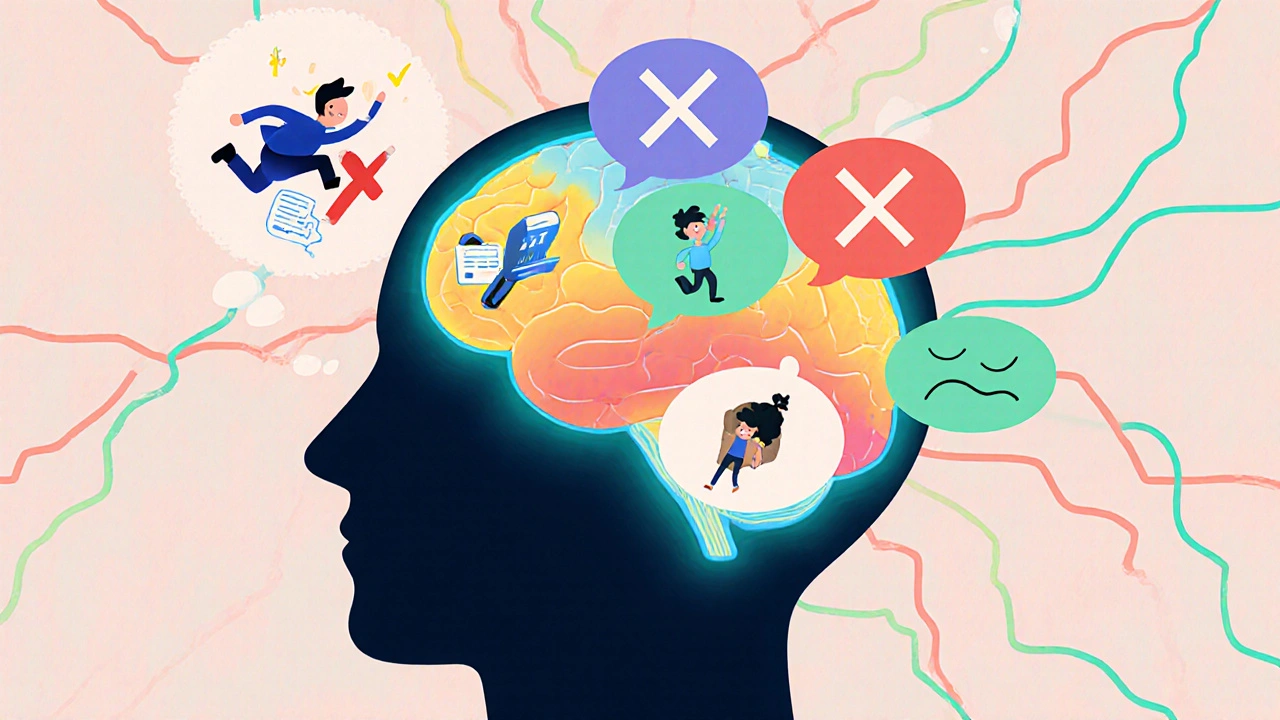
Cognitive Biases: How Your Brain Tricks You and What to Do About It
When you hear a drug is "generic," do you assume it’s weaker? That’s not science—it’s a cognitive bias, a mental shortcut your brain uses to make quick decisions, often leading to errors in judgment. Also known as systematic thinking error, it’s why people report worse side effects from generic pills—even when they’re chemically identical to brand-name versions. These biases aren’t just harmless quirks. They directly affect how you respond to treatment, whether you stick to your medication, and even how your doctor prescribes it.
One of the most powerful biases in medicine is the nocebo effect, when negative expectations cause real physical symptoms. For example, if you’re told a drug might cause dizziness, you’re far more likely to feel dizzy—even if you’re taking a sugar pill. This isn’t "all in your head." Brain scans show real changes in pain and stress pathways. It’s why patients switching from brand to generic drugs often complain of new side effects, even though studies prove the drugs are the same. The patient perception, how you believe a treatment works, not just what’s in the pill. Also known as expectation-driven response, it’s a major factor in treatment success or failure.
Cognitive biases also shape how doctors choose treatments. They might favor a newer drug because it feels more modern, even if an older one works just as well. Or they might avoid prescribing a cheap, effective option because they fear patients won’t trust it. These biases aren’t about being careless—they’re built into how humans process information. We rely on mental shortcuts to save time, but in medicine, those shortcuts can cost you real health outcomes.
You don’t need to be a scientist to fight these biases. Start by asking: "Am I reacting to the facts, or to what I’ve heard?" If you’re nervous about a generic drug, check the FDA’s bioequivalence data. If you think a treatment is "too weak," ask why. The posts below show real cases where perception clashed with reality—patients who felt worse after switching meds, others who found relief with cheaper options once their fears were addressed. You’ll see how the nocebo effect shows up in epilepsy surgery recovery, why some people think SSRIs don’t work for OCD, and how misinformation about blood thinners leads to unnecessary fear. These aren’t abstract ideas. They’re daily struggles people face when their brains override their best interests. The good news? Once you know how these tricks work, you can spot them—and choose better.
Cognitive biases shape how you respond to information-even when you think you're being rational. From confirmation bias to hindsight distortion, these mental shortcuts affect decisions in healthcare, finance, and daily life. Learn how beliefs drive automatic responses-and how to break the cycle.