180-Day Exclusivity: What It Means for Generic Drugs and Drug Prices
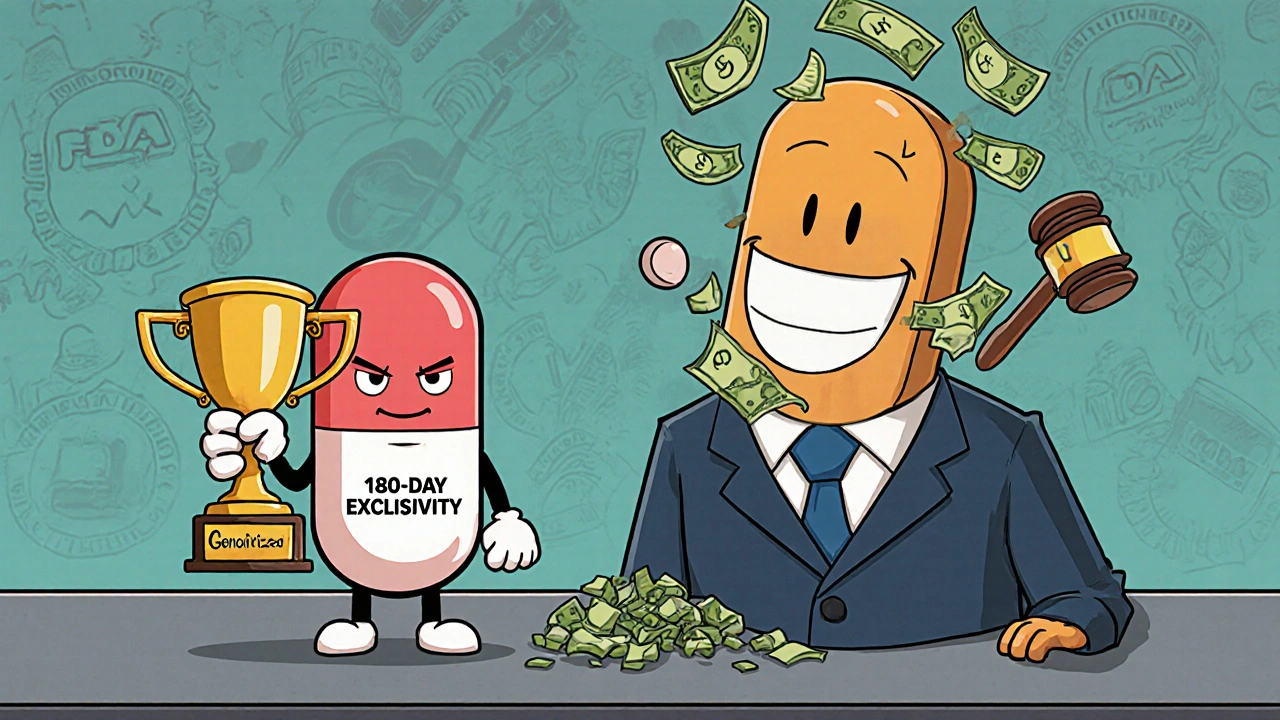
When a generic drug company gets the 180-day exclusivity, a legal period granted by the FDA that lets the first approved generic manufacturer sell its version without competition. It's a key part of the ANDA process, the legal pathway for generic drug approval in the U.S. under the Hatch-Waxman Act, designed to balance innovation and affordability. This exclusivity isn't a reward—it's an incentive. The first company to challenge a brand-name drug's patent and win gets a six-month window where no other generic can enter the market. During that time, they often charge less than the brand but more than later generics, creating a price drop that benefits patients.
This system ties directly to how Hatch-Waxman Act, a 1984 law that created the modern framework for generic drug approval in the U.S. works. Before it, generics couldn’t get approved unless they did expensive new clinical trials. Hatch-Waxman changed that by letting generics prove they’re bioequivalent instead. But to make it worth the risk—because patent lawsuits are costly and uncertain—the law gave the first filer this 180-day window. It’s why you sometimes see one generic version appear months before others. And when that exclusivity ends, prices usually drop again. The FDA tracks these filings closely, and the timing can affect how quickly a drug becomes affordable across pharmacies.
Not every generic gets this exclusivity. Only the first company to file an ANDA with a valid patent challenge qualifies. If multiple companies file on the same day, they share the window. Sometimes, legal delays or settlements between brand and generic makers can delay or even cancel the exclusivity. That’s why some drugs never see a price drop—because no one ever filed the right paperwork. But when it works, it’s one of the most effective tools for lowering prescription costs. You’ve probably seen this in action: a brand-name drug costs $300, then a generic hits the shelves at $120, and a few months later, three more generics arrive and the price falls to $25. That’s the 180-day exclusivity in motion.
What you’ll find below are real-world examples of how this rule plays out in the pharmacy. From how authorized generics fit into the picture, to why some drugs stay expensive even after patents expire, these articles break down the system that shapes what you pay for your meds. Whether you’re trying to save money or just understand why your prescription price changed overnight, this collection gives you the facts without the jargon.
The 180-day exclusivity for generic drugs was meant to reward patent challengers-but authorized generics let brand-name companies undercut them. Learn how this legal loophole affects drug prices, competition, and patient access.