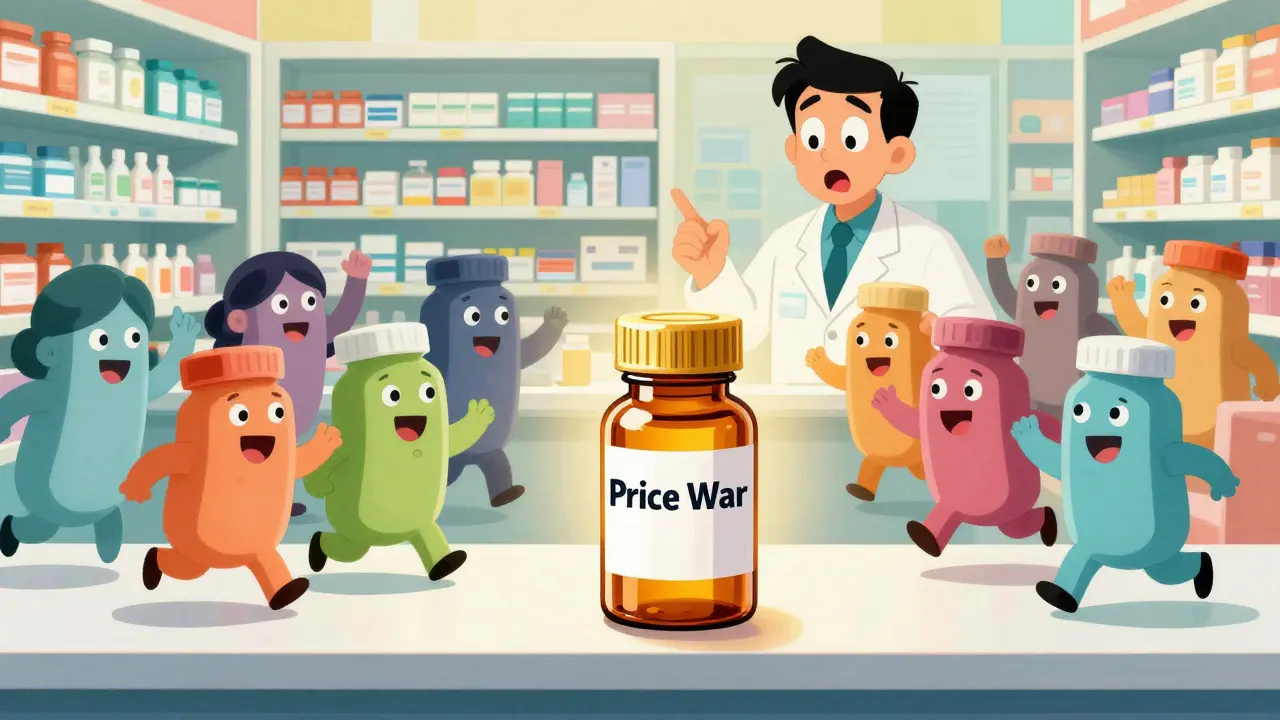
Imagine walking into a pharmacy and finding out that a medication that cost $400 last month is now $4. That isn't a mistake; it's the result of a price war. When a brand-name drug loses its patent, other companies rush in to make their own versions. This flood of competition usually sends prices crashing down, which is great news for your wallet. But there's a catch: the money saved by these generic drug price wars doesn't always end up in your pocket.
The Magic Number of Competitors
Not all generic drugs are created equal in terms of cost. The real savings kick in based on how many companies are fighting for your business. According to data from the FDA the federal agency responsible for protecting public health by ensuring the safety, efficacy, and security of human and veterinary drugs, the more players in the game, the lower the price.
If only one or two companies make a generic version, you might only see a modest dip in price. However, when six or more manufacturers enter the market, prices can plummet by more than 95% compared to the original brand-name version. It's a race to the bottom that benefits the patient, provided the pharmacy passes those savings along.
| Number of Competitors | Estimated Price Reduction (vs Brand) | Consumer Impact |
|---|---|---|
| 1-2 Manufacturers | 15% - 54% | Moderate savings; still relatively expensive. |
| 4 Manufacturers | 73% - 85% | Significant savings for most patients. |
| 6+ Manufacturers | Over 95% | Deep discounts; often leads to $0 or $4 copays. |
The Middleman Problem: Why You're Still Paying
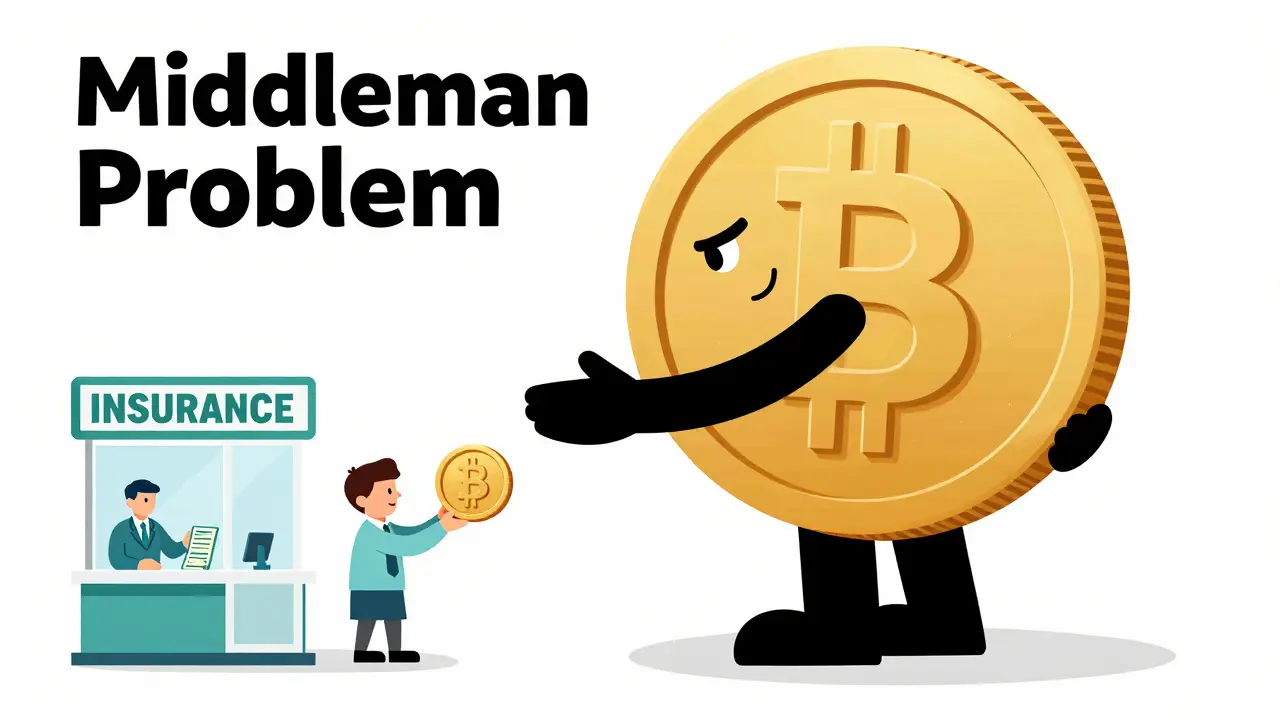
You might wonder why some generics stay expensive even when plenty of companies make them. Enter the Pharmacy Benefit Managers PBMs are third-party administrators of prescription drug programs that manage the relationship between insurers, pharmacies, and manufacturers, or PBMs. These middlemen act as the gatekeepers between your insurance and the pharmacy.
PBMs often use a tactic called "spread pricing." This happens when a PBM charges an insurance company a high price for a drug but pays the pharmacy a very low price for that same generic. Instead of passing those savings to you, the PBM keeps the difference. This is why you might pay a $30 copay for a drug that actually costs the pharmacy less than a dollar to provide.
Research from the USC Schaeffer Center has shown that these opaque practices create a gap between the theoretical price war and the actual price you see at the counter. In some cases, PBMs even design "formularies" (the list of covered drugs) to favor more expensive brand-name options over cheaper generics because they get better rebates from the brand manufacturers.
The Danger of "Too Cheap": Drug Shortages
While we all love a bargain, there is a tipping point where price wars become dangerous. When competition becomes too aggressive, the profit margin for manufacturers disappears. If it costs a company more to make the pill than they can sell it for, they simply stop making it.
This leads to a paradox: the more competitive a market becomes, the higher the risk of a shortage. Analysis from the AEA Web suggests that about 30% of generic shortages happen in markets with four or more manufacturers. When the lowest-cost producer exits the market, it can create a domino effect, leaving patients unable to find their essential medications for weeks or months.
How to Actually Get the Lowest Price
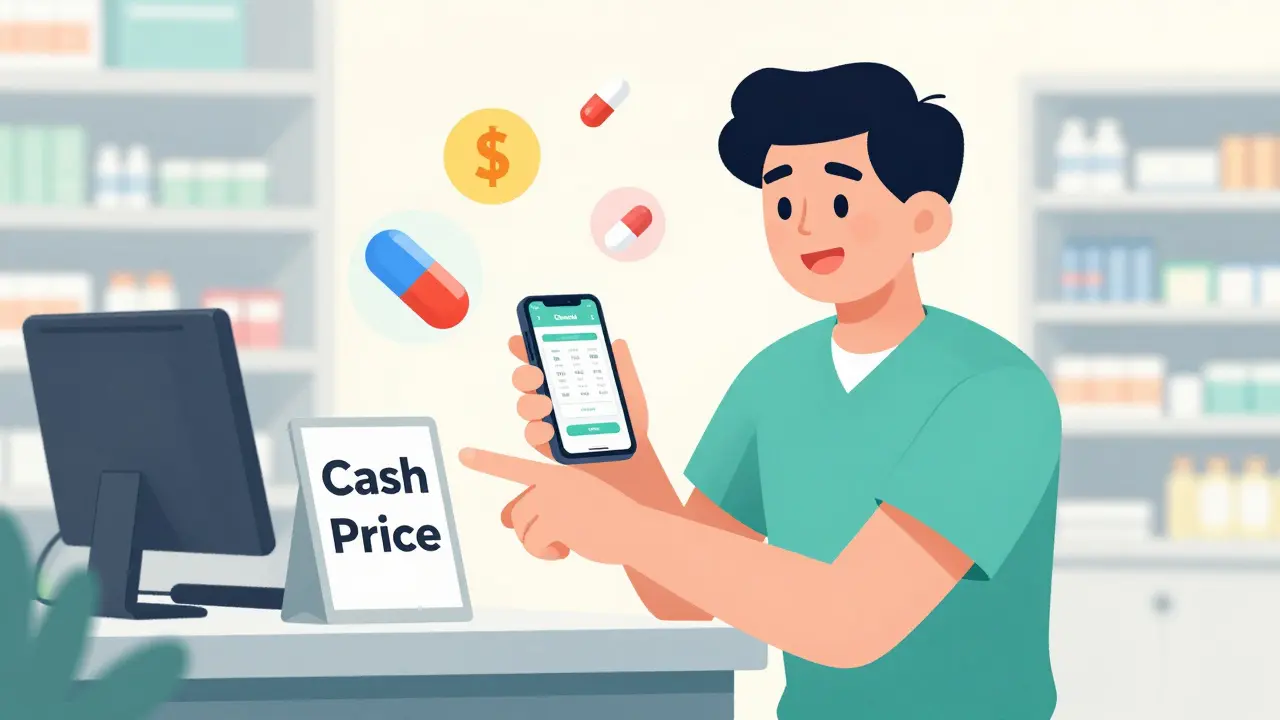
You don't have to be a victim of the system. Since pricing is so volatile and fragmented, you have to be your own advocate. The most important rule? Always ask for the "cash price."
In nearly 30% of cases, the cash price (paying out of pocket without insurance) is actually cheaper than your insurance copay. This happens because your insurance plan's negotiated rate with the PBM is higher than the pharmacy's direct cost. If you're taking a common generic like metformin or lisinopril, you might find it's cheaper to bypass your insurance entirely.
Here is a quick checklist to maximize your savings:
- Use Price Comparison Tools: Apps like GoodRx a healthcare company that provides coupons and price comparisons for prescription medications can show you that the same generic drug can vary by 300% in price between two pharmacies across the street from each other.
- Check the "AB Code": Look for therapeutic equivalence ratings to ensure the generic is bioequivalent to the brand name.
- Ask About Generic Programs: Many large retailers have fixed-price lists (like $4 generics) that ignore insurance entirely.
- Question Your Copay: If your copay seems high for a common generic, ask the pharmacist if there is a cheaper alternative on a different tier of your formulary.
The Big Picture: Where We Go From Here
The U.S. generic market is massive, accounting for about 90% of all prescriptions dispensed. However, it only makes up about 23% of total pharmaceutical spending. This gap exists because of the complex web of rebates and middleman fees. To truly fix this, there is a push for more transparency. Legislation like the Pharmacy Benefit Manager Transparency Act aims to kill spread pricing and force PBMs to use "pass-through" models, where the actual savings from price wars are passed directly to the patient.
For now, the best tool you have is information. By comparing prices and understanding that competition is the primary driver of cost, you can navigate the pharmacy counter with more confidence and less stress.
Why is my generic drug still expensive if there are many competitors?
This is usually due to Pharmacy Benefit Managers (PBMs) and "spread pricing." Even if the drug's manufacturing cost has plummeted due to a price war, the PBM may charge your insurance company more and keep the difference, or your insurance plan may have a high copay set for that specific drug tier.
Is a cheaper generic drug less effective than the brand name?
No. To be approved by the FDA, a generic drug must be bioequivalent to the brand-name version. This means it has the same active ingredient, strength, dosage form, and route of administration, and it works in the body in the same way.
What is the "cash price" and why should I ask for it?
The cash price is the amount the pharmacy charges a customer who doesn't use insurance. Because of the way insurance contracts are written, the cash price for a highly competitive generic is often lower than the copay your insurance requires you to pay.
Do price wars lead to drug shortages?
Yes, they can. When prices drop too low, some manufacturers find it unprofitable to produce the drug and exit the market. If too many companies leave, it can cause a shortage, even if the drug is off-patent.
How can I find the cheapest pharmacy in my area?
The best way is to use price comparison apps or websites like GoodRx, or to call a few local pharmacies and ask for the cash price of your specific medication and dosage.