Deep Brain Stimulation: What It Is, How It Works, and Who It Helps
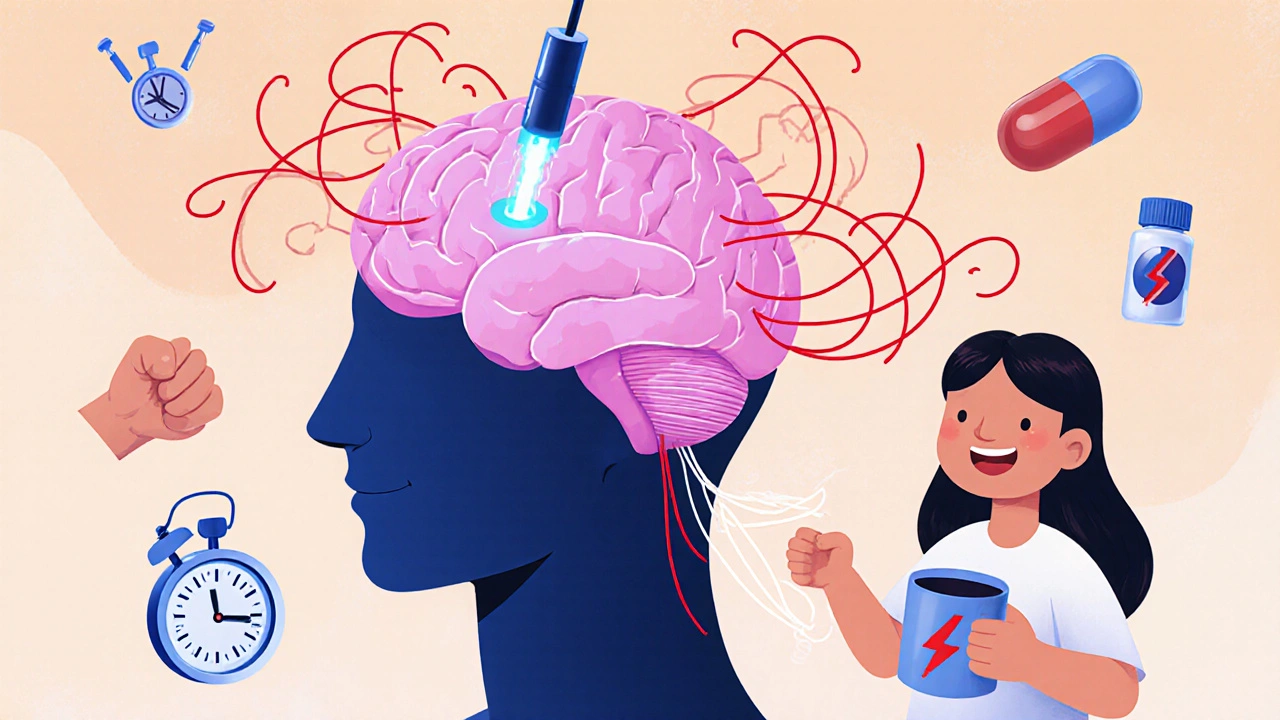
When you hear deep brain stimulation, a surgical treatment that uses implanted electrodes to send electrical pulses to specific areas of the brain. Also known as DBS therapy, it’s not a cure—but for many people with movement disorders, it’s the difference between being stuck in place and moving freely again. Unlike medications that wear off or cause side effects over time, deep brain stimulation works continuously, adjusting in real time to help control symptoms like shaking, stiffness, or involuntary movements.
It’s most commonly used for Parkinson’s disease, a progressive nervous system disorder that affects movement, where tremors, slow motion, and muscle rigidity make daily tasks hard. But it’s also approved for essential tremor, a neurological condition causing uncontrollable shaking, often in the hands, and dystonia, a disorder where muscles contract involuntarily, causing twisting or repetitive movements. Doctors don’t recommend it for everyone—it’s for people who’ve tried multiple drugs and still struggle with symptoms. The device doesn’t fix the brain’s damage, but it blocks the faulty signals that cause the symptoms.
What makes deep brain stimulation different is how precise it is. Surgeons place thin wires into small, targeted areas of the brain—like the subthalamic nucleus or globus pallidus—where abnormal activity causes movement problems. These wires connect to a pacemaker-like device under the skin of your chest. You can turn it on or off, adjust the strength, and even change settings remotely with a handheld controller. Many patients report dramatic improvements within weeks: walking without shuffling, writing clearly again, or sleeping through the night without constant tremors.
It’s not without risks. Infection, bleeding, or hardware issues can happen. Some people feel tingling, muscle tightness, or mood changes after the device is turned on. But for most, the benefits far outweigh the downsides. And unlike long-term drug use—which can lead to nausea, hallucinations, or unpredictable symptom spikes—DBS gives you more control. You’re not just waiting for the next pill to kick in. You’re managing your condition, day by day.
What you’ll find below are real, practical guides on how deep brain stimulation fits into broader treatment plans. You’ll read about how it compares to medication, what to expect before and after surgery, and how it interacts with other conditions like depression or sleep disorders. Some posts even look at how patients adjust their daily lives after getting the device. Whether you’re considering DBS, supporting someone who is, or just trying to understand how it works, these articles give you the facts without the fluff.
Deep Brain Stimulation (DBS) can dramatically improve motor symptoms for people with Parkinson’s who respond to levodopa. Learn who qualifies, how it works, what to expect, and why so few eligible patients get it.