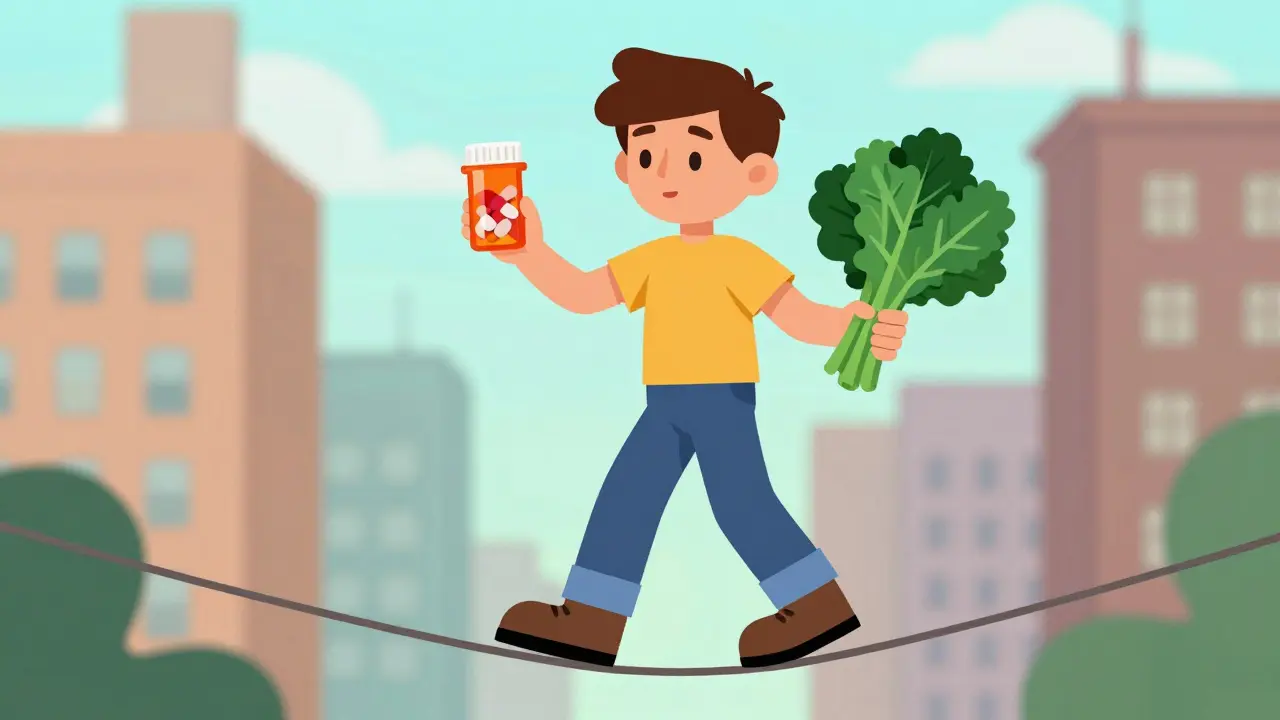
Discover how to balance Warfarin treatment with Vitamin K intake. Learn which foods matter, why consistency beats restriction, and practical strategies to maintain a stable INR.
Explore the biological risks of opioids, including how tolerance develops unevenly against overdose threats. Learn about dependence versus addiction, the danger of lost tolerance during relapse, and modern safety strategies like naloxone.
Proper epinephrine auto-injector training saves lives. Learn the critical 5-minute window, correct injection techniques, and how to overcome common training errors in safety plans.
Fungal infections like athlete’s foot and candida are common but often misunderstood. Learn what causes them, how to treat them effectively, and why most treatments fail-plus what’s new in antifungal care.
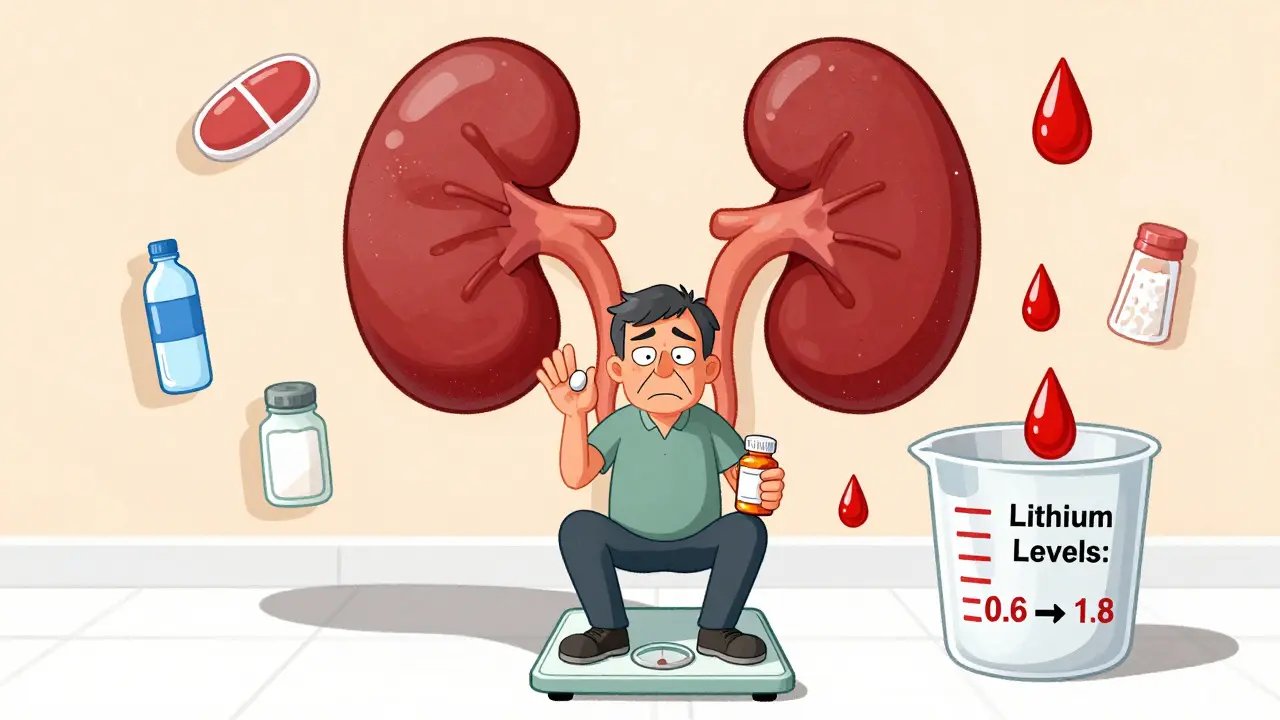
Lithium therapy requires careful management. NSAIDs, diuretics, and dehydration can dangerously raise lithium levels, leading to toxicity. Learn how to avoid these risks and recognize early warning signs.
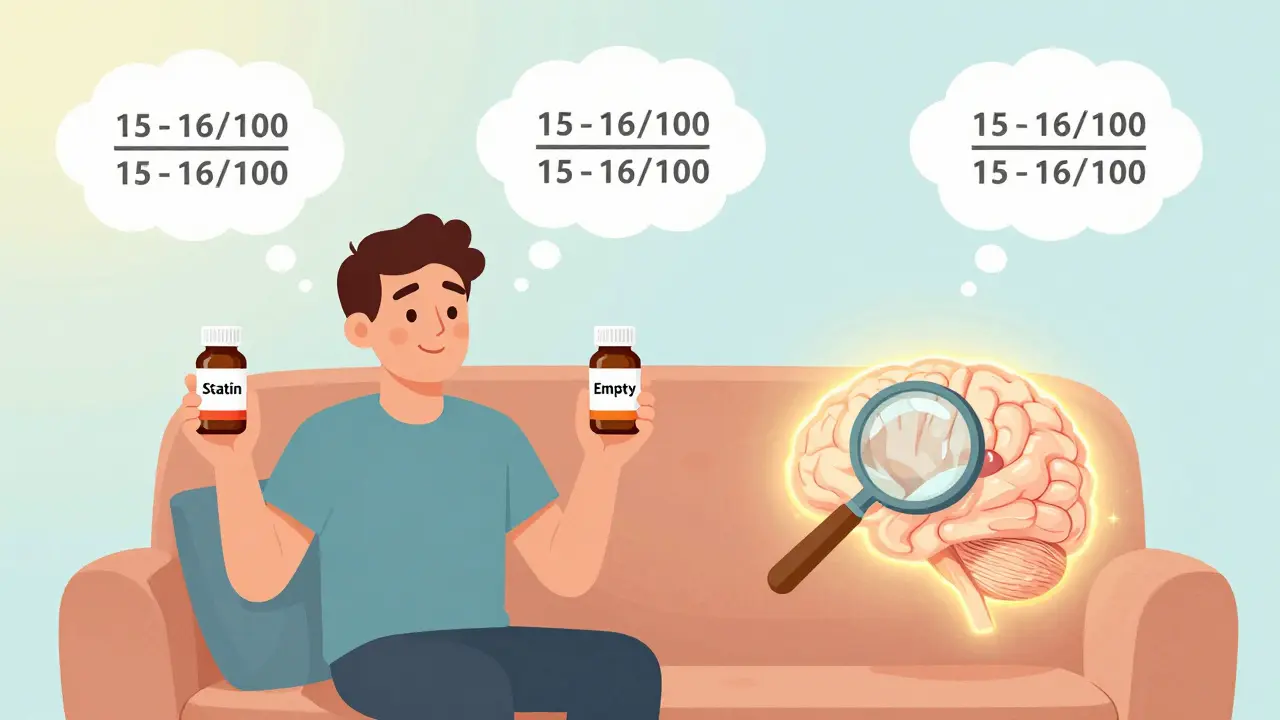
New research reveals that up to 90% of statin side effects are caused by the nocebo effect - not the drug itself. Learn how expectations shape symptoms and why many people can safely restart statins.
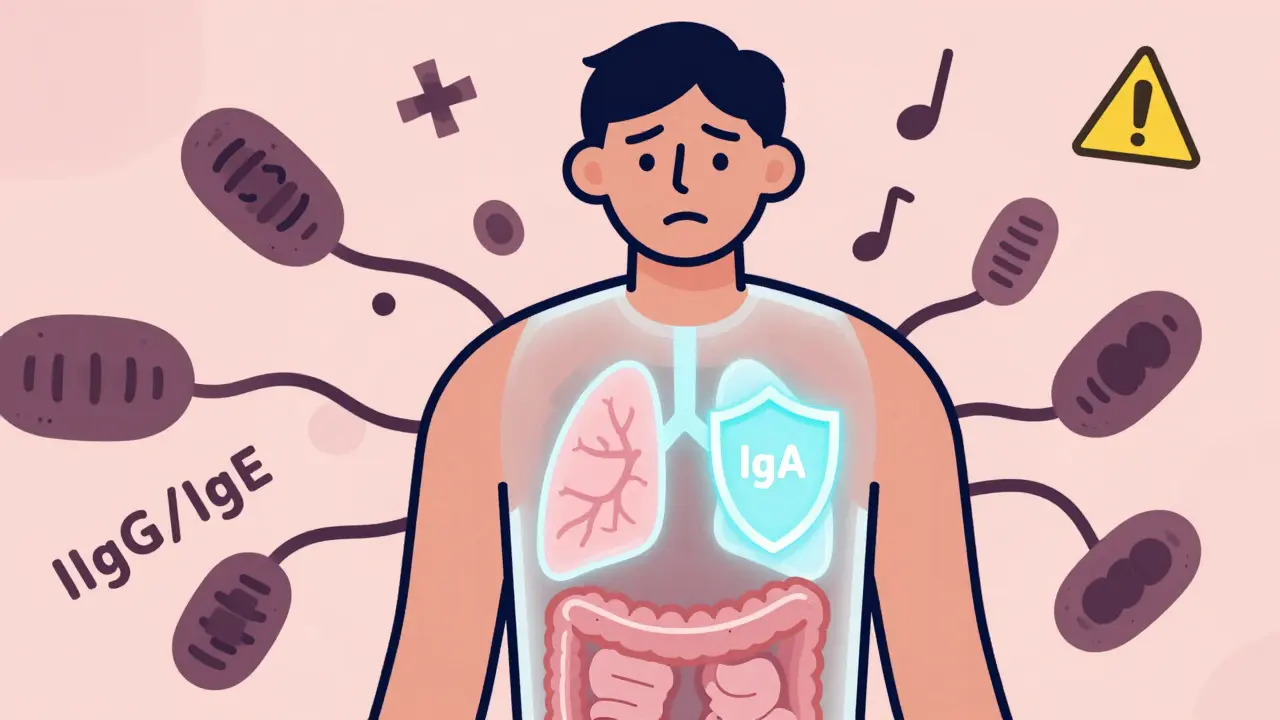
IgA deficiency is the most common primary immune disorder, affecting 1 in 300 people. While most are asymptomatic, those who need transfusions face life-threatening risks without proper precautions. Learn the signs, risks, and critical steps to stay safe.
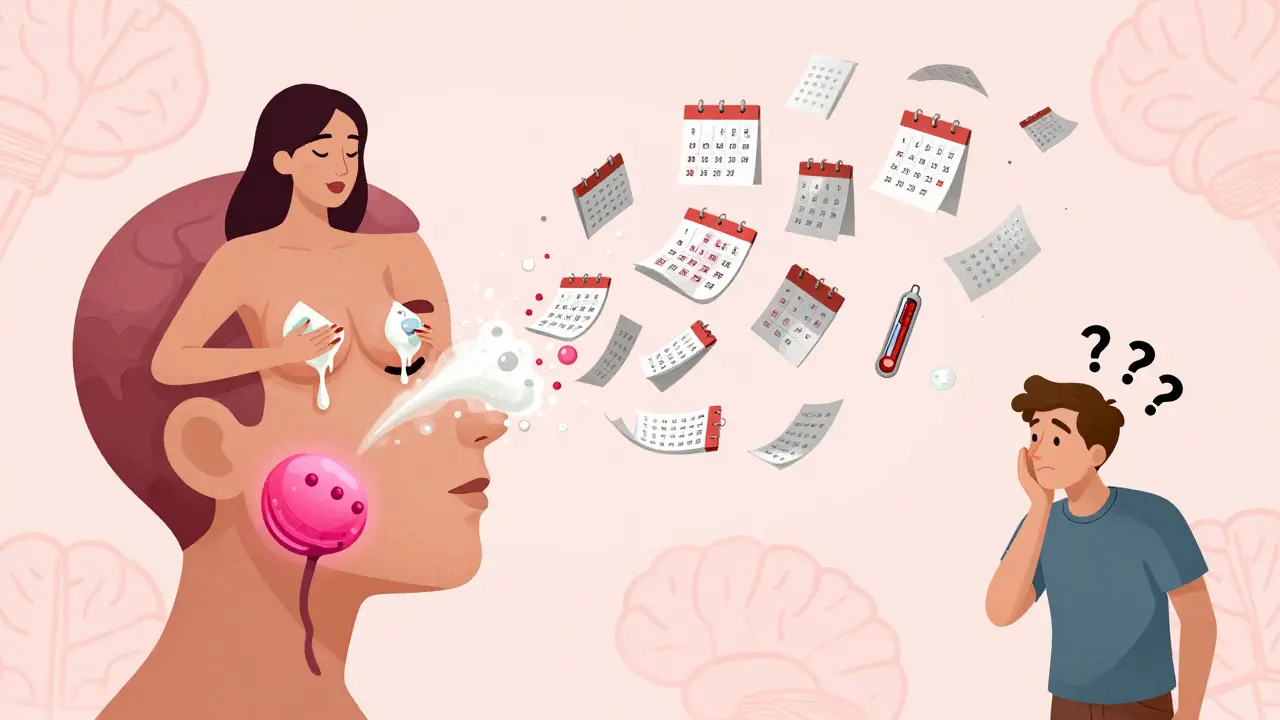
Prolactinomas are the most common type of pituitary adenoma, causing hormone imbalances that affect fertility, sex drive, and energy. Learn how they're diagnosed, treated with cabergoline, and managed long-term.
Pharmacists verify generic equivalence using the FDA's Orange Book to ensure safe, legal substitutions. This system relies on strict bioequivalence standards and therapeutic equivalence ratings, with over 98% of generics rated 'A' for substitution. It's the backbone of safe, affordable medication access.
High-risk medications like IV insulin, heparin, and chemotherapy require independent double checks to prevent deadly errors. Learn which drugs need extra verification, how the process works, and why technology is now replacing manual checks in many hospitals.